FanVancouver · Local guide
Essential tips for US visitors on border crossing, currency, tipping, transit, and top Vancouver attractions with 2026 prices.
Vancouver welcomes American travelers with a blend of natural beauty, multicultural vibe, and a laid‑back West Coast pace that feels both familiar and refreshingly different. For first‑time visitors from the United States, the logistics of crossing the border, handling money, and understanding local customs can be the biggest hurdles. This guide strips away the fluff and delivers concrete, up‑to‑date information—complete with 2026 CAD price ranges, transit details, and neighborhood insights—so you can focus on enjoying the city’s mountains, ocean, and busy food scene.
In Vancouver the price depends on the neighbourhood far more than on the star rating. Compare live hotel and rental rates side by side before you lock your dates.
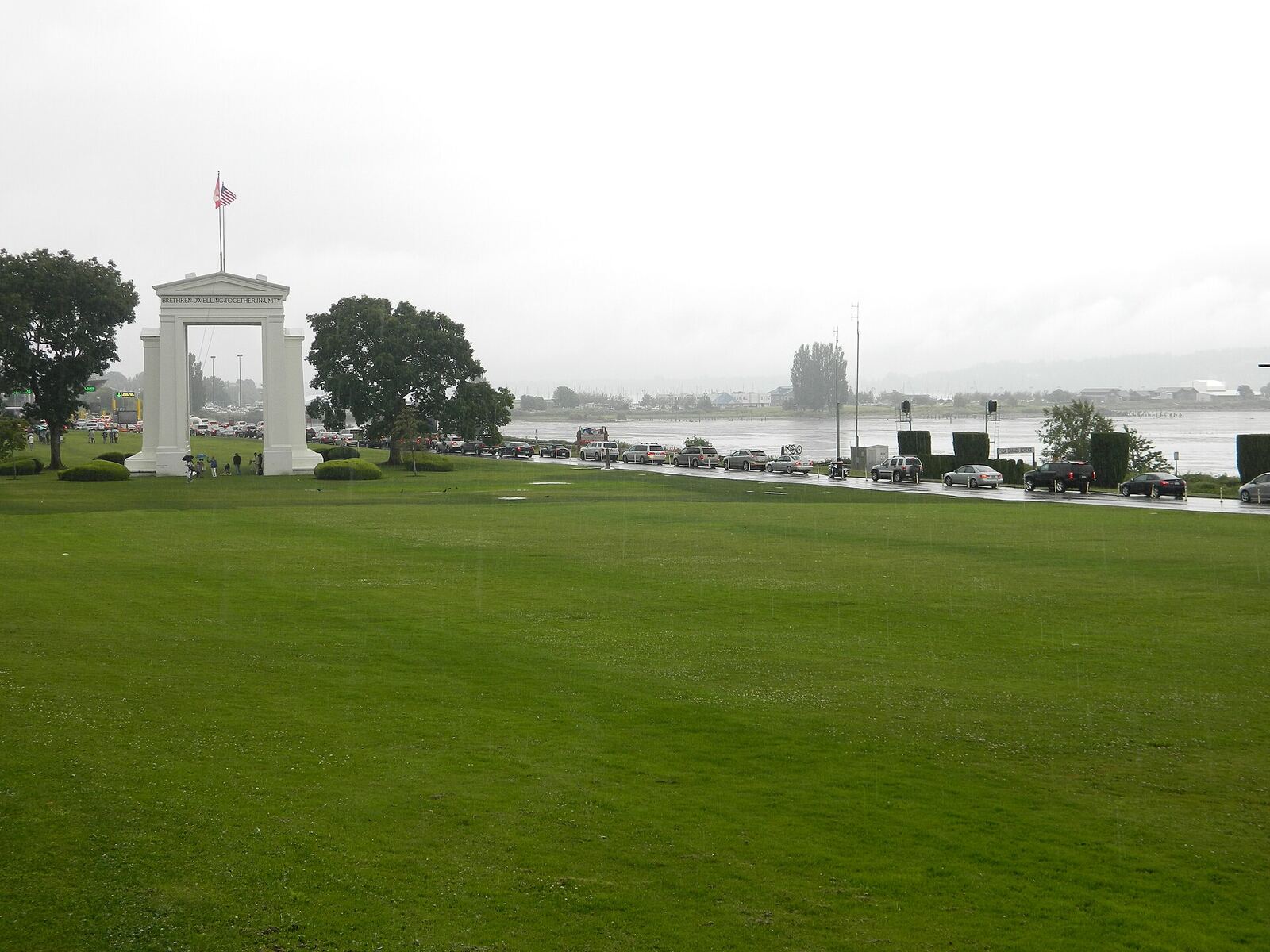
The most common land entry points for U.S. citizens are the Peace Arch Crossing (Highway 99) near Blaine, Washington, and the Douglas Port of Entry (Highway 15) south of Surrey. Both operate 24 hours, but wait times can swell during peak travel periods—especially Friday afternoons and holiday weekends. Check real‑time conditions on the Canada Border Services Agency website or use the Border Wait Times app before you leave.
If you travel frequently, a NEXUS card saves considerable time. Enrollment costs USD 50 for five years (renewable) and grants access to dedicated lanes at both Peace Arch and Douglas, plus expedited processing at Vancouver International Airport (YVR). Remember that you must present a valid passport (or NEXUS card) at the checkpoint; a driver’s license alone is insufficient for entry into Canada.
For those flying in, YVR is well‑connected to major U.S. hubs. Customs and immigration are located in the U.S. Pre‑Clearance area for flights departing to the United States, but arrivals from the U.S. go through standard Canadian customs. Declare any goods over CAD 800 (the personal exemption) and be prepared to answer questions about the purpose and length of your stay.
Tip: Keep a small amount of Canadian dollars on hand for immediate expenses (transit, snacks, tolls) as many small vendors prefer cash). ATMs dispense CAD and typically charge a flat fee of CAD 3‑5 plus your bank’s foreign‑exchange fee.
Canada’s official currency is the Canadian dollar (CAD). As of 2026, the exchange rate hovers around 1 USD ≈ 1.35 CAD, but it fluctuates daily. Avoid exchanging large sums at airport kiosks; their rates are often 3‑5 % worse than those offered by major banks or reputable currency exchange bureaus in downtown Vancouver (e.g., Vancouver Bullion & Currency Exchange on Granville Street).
Credit and debit cards are universally accepted. Visa, Mastercard, and American Express work at hotels, restaurants, retailers, and transit machines. Contactless payments (tap‑to‑pay) are the norm, and many establishments now prefer them over inserting or swiping a card. Notify your bank of your travel plans to prevent blocks on foreign transactions.
If you prefer to use cash, you’ll find ATMs at banks, convenience stores, and most SkyTrain stations. Withdrawal limits are usually CAD 200‑500 per transaction; plan multiple smaller withdrawals to minimize fees. Keep receipts for any currency exchange you perform, as you may need to show proof of funds if asked by border officials on departure.
For budgeting, consider the following typical 2026 costs (all amounts in CAD):
These ranges help you gauge daily spending: a moderate traveler might budget CAD 120‑150 per day for meals, transit, and attractions, while a more indulgent itinerary could push toward CAD 200‑250.
Tipping in Vancouver follows U.S. norms but with slight variations. Service charges are rarely included in the bill, so a gratuity is expected for most personal services.
Many establishments now include a suggested tip line on receipts; you can adjust the amount before signing. If you pay with a card, the tip is added to the total; if you pay cash, leave the gratuity on the table or hand it directly to the server.
Note: Unlike some U.S. states, Vancouver does not allow employers to pay tipped workers a lower base wage; the provincial minimum wage (CAD 18.25 an hour since 1 June 2026) applies to all employees, so tips are supplemental.
TransLink operates an integrated network of buses, SkyTrain, SeaBus, and West Coast Express. A single fare covers unlimited transfers within 90 minutes across all modes, making it easy to hop between districts.
Fares (2026 CAD, adult):
Purchase fares via Compass Card (reloadable) or the Compass Ticket vending machines at stations. You can also use contactless credit/debit cards or mobile wallets (Apple Pay, Google Pay) directly on readers.
Cycling is popular and safe. The city is home to over 300 km of protected bike lanes, including the seawall loop around Stanley Park (≈10 km). Bike‑share programs like Mobi by Shaw Go offer 24‑hour access; a single ride unlocks for ~CAD 3.25, with additional usage at ~CAD 0.15 per minute.
Walking is the best way to explore neighbourhoods such as Gastown, Granville Island, and Kitsilano. Sidewalks are well‑maintained, and many attractions are within a comfortable 10‑20 minute stroll from each other.
Tip: Download the TransLink app for real‑time arrivals, service alerts, and trip planning. For late‑night travel, the NightBus (routes N‑series) operates after regular SkyTrain service ends (around 1:00 a.m.).
Vancouver’s districts each offer a distinct flavor. Below are practical details, including approximate 2026 costs, to help you prioritize.
Start at Canada Place, where the best-known sails overlook the harbour. From there, stroll along the waterfront to Gastown, Vancouver’s oldest neighbourhood. Cobblestone streets, the steam clock, and boutique shops make it a photographer’s delight.
Accessible via False Creek ferries or a short bus ride, Granville Island is a hub of artisans, theatres, and the famous Public Market.
Known for its relaxed vibe, Kits offers sandy beaches, yoga studios, and trendy cafés.
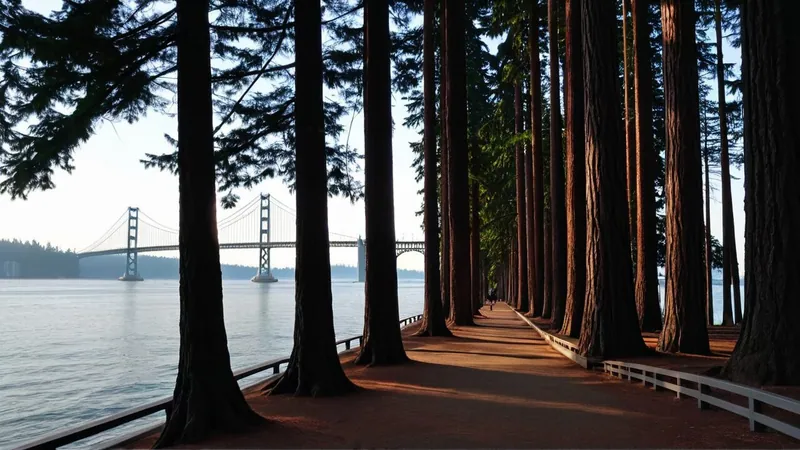
A 1,000‑acre urban oasis that circles the downtown peninsula. The seawall is perfect for walking, jogging, or cycling.
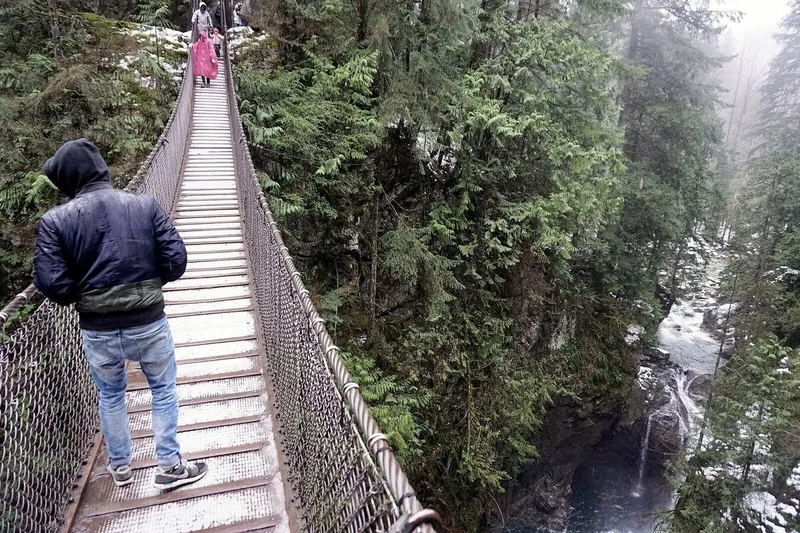
Located in North Vancouver, this attraction combines a swaying bridge, cliffside walkways, and a treetop adventure.
Just 15 minutes from downtown via the SeaBus and a shuttle, Grouse offers year‑round activities.
Showcasing First Nations art and artifacts, this museum is a cultural must‑see.
Transit connections: Most sites are reachable via SkyTrain (e.g., Waterfront for Gastown/Canada Place, Burrard for Granville Island, Marine Drive for Kitsilano) or a combination of bus and SeaBus for North Shore attractions.
Vancouver’s culinary scene reflects its Pacific location and multicultural populace. Expect fresh seafood, Asian fusion, farm‑to‑table fare, and a thriving craft‑beer culture.
Weather & Packing: Vancouver’s climate is mild but changeable. Summers (June‑August) average 18‑22 °C; winters (December‑February) hover around 4‑8 °C with frequent rain. Pack a waterproof jacket, layers, and comfortable walking shoes. Umbrellas are common, but many locals prefer a sturdy rain shell.
Connectivity: Free Wi‑Fi is available at most cafés, libraries, and TransLink stations. For constant coverage, consider purchasing a short‑term SIM from providers like Rogers, Bell, or Telus (data plans ~CAD 30‑45 for 5 GB).
Safety: Vancouver ranks among the safest major cities in North America. Keep an eye on belongings in crowded areas (especially on transit) and avoid leaving valuables visible in parked cars.
Apps & Resources: TransLink for transit, Google Maps or Apple Maps for walking/cycling routes, Yelp or TripAdvisor for restaurant reviews, and Dark Sky for hyper‑local rain forecasts.
Finally, embrace the pace. Locals often say “Vancouver time” is a little slower—perfect for savoring a coffee overlooking the harbour, watching seaplanes take off, or simply breathing in the salty air after a walk along the seawall.
Crossing the border, handling money, and grasping local etiquette are the first steps to a smooth Vancouver experience. With NEXUS lanes, clear currency know‑how, and a tipping mindset aligned with U.S. standards, you’ll breeze through logistics. The city’s efficient transit, walkable neighbourhoods, and world‑class attractions—from the lush expanse of Stanley Park to the impressive heights of Grouse Mountain—ensure that every day brings a new adventure. Armed with the practical details and price guides above, you can focus on what matters: enjoying Vancouver’s striking scenery, diverse flavours, and welcoming spirit. Safe travels, and see you on the seawall.
Coming up from the States? Downtown hotels keep you car-free and close to everything — compare live rates.
Live fares from US and Canadian hubs into Vancouver — then clear customs and hop the Canada Line.
Yes, all US citizens must present a valid passport (or NEXUS card) at Canadian border crossings such as Peace Arch or Douglas. A driver’s license alone is not sufficient for entry into Canada.
Take the Canada Line SkyTrain from YVR to Waterfront Station; the trip takes about 25 minutes and costs CAD 10.70 for an adult: a two-zone fare plus the $6.50 airport AddFare, or CAD 9.35 after 6:30 p.m. and at weekends.
Credit cards (Visa, Mastercard, Amex) are accepted almost everywhere. Notify your bank of travel plans to avoid foreign‑transaction blocks, and consider using contactless tap‑to‑pay for convenience.
More to explore in Vancouver
 English
 Español
 Français
 Deutsch
 Українська