FanVancouver · Local guide
Understand all your transportation choices for travelling from Seattle to Vancouver, including detailed information about crossing the Canada-US border.
Seattle residents enjoy one of the most convenient international getaways in North America: a short hop to Vancouver, BC. The drive is under three hours, the train offers sweeping water‑and‑mountain vistas, and frequent buses keep costs low. For US tourists, the trip hinges on three practical pillars: choosing the right transport, navigating the border smoothly, and making the most of Vancouver’s transit‑rich urban layout once you arrive. This guide turns that hop into concrete steps, price ranges (2026 CAD), and neighbourhood-by-neighbourhood recommendations so you can spend less time planning and more time exploring.
In Vancouver the price depends on the neighbourhood far more than on the star rating. Compare live hotel and rental rates side by side before you lock your dates.
Each option balances cost, scenery, and flexibility. Below are the 2026 average fares for a one‑way adult ticket (prices vary by departure time, advance purchase, and discount eligibility).
For most US tourists, the train offers the best blend of comfort and border ease; buses win on price; driving wins if you plan day trips to Whistler, the Sunshine Coast, or the Fraser Valley.
The Cascades route follows the Puget Sound shoreline, then cuts inland via the Fraser Canyon, delivering views of water, mountains, and occasional wildlife that you simply miss on the highway.
Reserve via Amtrak.com or the Amtrak app; tickets are non‑refundable but changeable for a fee. Arrive at Seattle’s King Street Station at least 30 minutes before departure; the station has luggage storage, a café, and free Wi‑Fi. Boarding is straightforward: show your e‑ticket (or printed ticket) and a government‑issued photo ID.
Coach seats recline modestly; power outlets at every seat pair. Business class adds larger seats, complimentary non‑alcoholic beverages, and priority baggage handling. The café car serves hot sandwiches, soups, and snacks (prices ~CAD 8‑12). Free Wi‑Fi is available but can be spotty in the canyon; download offline maps ahead.
Pacific Central Station sits at the edge of False Creek, a 10‑minute walk to Main Street‑Science World SkyTrain station (Expo Line). From there, you can reach downtown (Waterfront Station) in 5 minutes, or transfer to the Canada Line for YVR Airport (~25 min). Luggage carts are free; taxis and rideshares queue outside the station.
Buses are the most economical way to cross the border, especially if you travel light and don’t mind a slightly longer journey.
Greyhound and FlixBus sell tickets online or via their apps; BoltBus (operated by Greyhound) offers a few premium seats with extra legroom. Main Seattle departure points:
Arrive at least 20 minutes before departure; buses have overhead storage and under‑carriage luggage compartments (max 2 bags, 23 kg each).
Standard coaches provide reclining seats, free Wi‑Fi (generally reliable), and power outlets at every second seat. Premium tickets add extra legroom, a complimentary bottle of water, and priority boarding. Restrooms are available; no food service, but you may bring your own snacks.
Most buses arrive at the Pacific Coach Lines terminal at 1755 Cordova St (just east of Main Street). From there, it’s a 5‑minute walk to Main Street‑SkyTrain station or a short cab ride to downtown hotels. If you’re headed to the airport, take the #100 bus from Main Street to Bridgeport Station, then the Canada Line to YVR (one zone, ~CAD 3.50 contactless — there is no AddFare on trips towards the airport, 45 min).
Driving offers ultimate flexibility for day trips to Whistler, Victoria (via ferry), or the Fraser Valley wineries. Below is a step‑by‑step breakdown.
From Seattle, take I‑5 North for approximately 140 km (87 mi). The highway is well‑maintained; expect occasional construction near the border (check Washington State DOT for real‑time alerts). The total driving time, excluding border delays, is about 2 h 15 m.
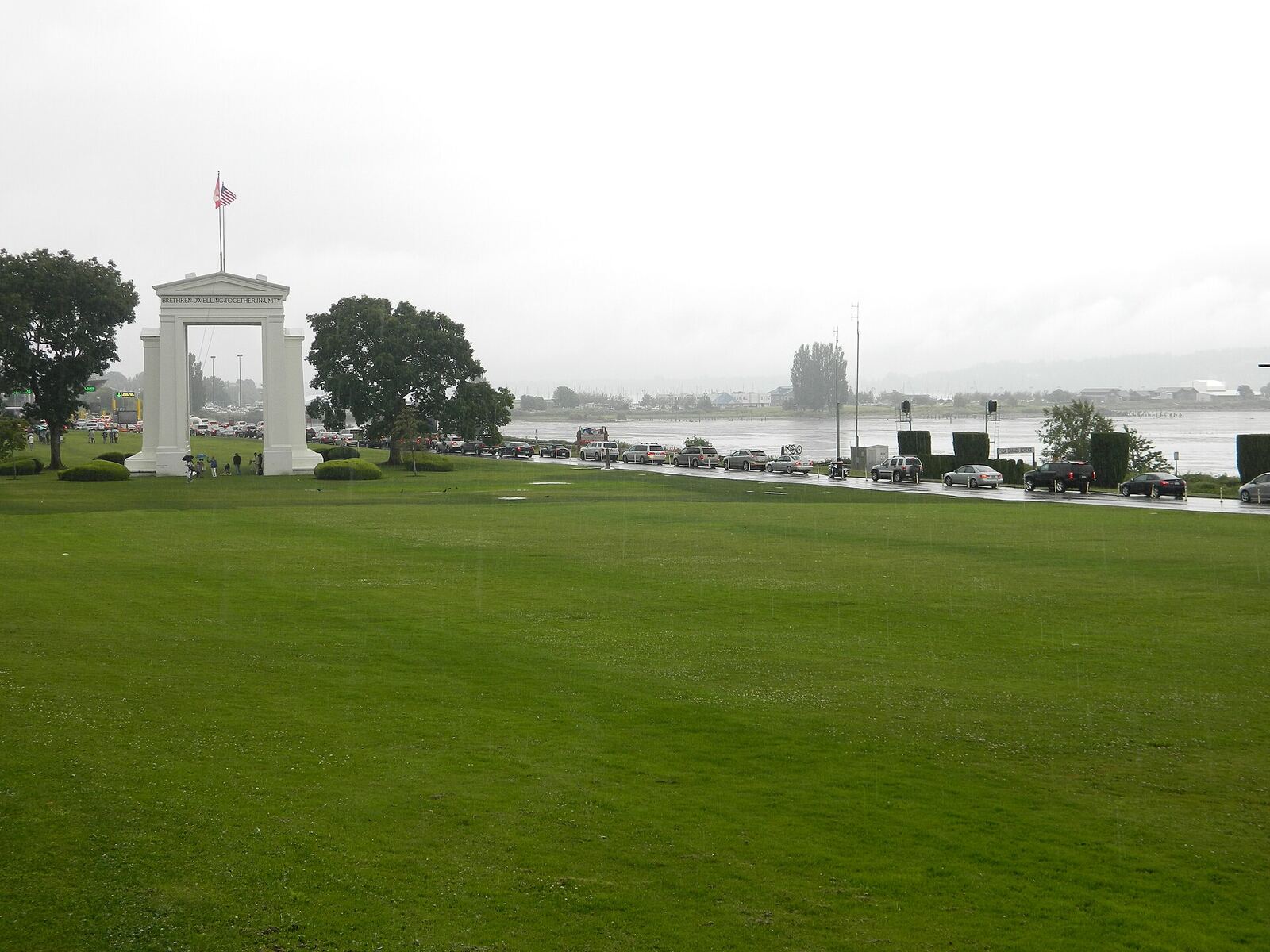
Two primary crossings serve passenger vehicles:
Both accept NEXUS lanes (if you have a valid NEXUS card). Expect to present your passport (or Enhanced Driver’s License), vehicle registration, and proof of insurance. Canadian customs may ask about goods you’re bringing; the personal exemption is CAD 800 per adult (CAD 200 for children under 12). Alcohol and tobacco have separate limits.
No tolls on I‑5 or BC Highway 99. Average fuel price in BC in early 2026 is CAD 1.78‑1.85/L; fill up in Blaine, WA (often cheaper) before crossing if you want to save a few dollars.
Downtown core (Granville, Gastown, Yaletown) uses pay‑by‑phone or pay‑station meters: ~CAD 4‑6 per hour, daily maximum CAD 30‑40. Many hotels offer valet (CAD 25‑35) or self‑park (CAD 15‑25). If you plan to stay outside the core, consider Park-and-Ride lots at SkyTrain stations (e.g., Brentwood Town Centre, ~CAD 5‑7 per day).
A smooth border experience saves time and reduces stress. Here’s what you need to know before you leave Seattle.
NEXUS members enjoy dedicated lanes at both Peace Arch and Pacific Highway crossings, typically cutting wait times by 50‑80 %. Enrollment costs USD 50 (valid 5 years) and includes Global Entry for air travel. Apply online via the CBSA/NEXUS portal; approval takes 4‑6 weeks. If you travel frequently, the investment pays off quickly.
You must declare any goods exceeding your personal exemption. Use the CBSA Declaration Card (available at the crossing) or the ArriveCAN app (mandatory for air, optional for land but speeds up processing). Prohibited items include fresh fruit, vegetables, meat, and dairy from the US (unless commercially packaged and labeled). Cannabis is legal in Canada but transporting it across the border remains illegal.
Check the Washington State Department of Transportation (WSDOT) Border Wait Times website or the CBSA Border Wait Times app for live updates. Typical weekday waits: 5‑15 min; summer Friday‑Sunday afternoons: 30‑50 min at Peace Arch, 15‑25 min at Pacific Highway.
Into Canada: a passport plus an eTA if you're visa-exempt and arriving by air — land crossings from Washington don't require an eTA — or a visitor visa depending on your nationality.
Back into the US: a passport plus an approved ESTA (Visa Waiver Program) or a US visa. ESTA has to be approved before you travel — apply days ahead, not at the booth. Plenty of visitors clear Canadian customs easily and then discover the return leg is the harder one.
Once you’re in the city, Vancouver’s integrated transit system makes a car optional for most visitors.
TransLink operates buses, SkyTrain (expo and millennium lines), SeaBus, and West Coast Express. A single zone fare is CAD 3.50 (adult); a 2‑zone trip is CAD 5.10; 3‑zone is CAD 6.70. Transfers are valid for 90 minutes across all modes.
Reloadable Compas Card (CAD 6 refundable deposit) offers 10 % discount on cash fares. For tourists, a DayPass (unlimited rides across all zones) costs CAD 12.55 (adult) or CAD 9.75 (concession). A MonthPass is CAD 117.20 for one zone (adult) – worthwhile only for stays >2 weeks.
Vancouver’s charm lies in its distinct districts. Below is a curated itinerary that balances best-known sights with local flavor, including realistic time allocations and transit hints.
Access via the #19 bus from downtown or a pleasant 20‑minute walk along the waterfront.
Take the Aquabus from downtown (CAD 4.50 each way) or the #50 bus.
Take the Expo Line to Main Street‑Science World station.
With these sections you now have a clear, price‑aware, and locally informed roadmap for traveling from Seattle to Vancouver. Choose the mode that matches your budget and schedule, breeze through the border with the right documents, and let Vancouver’s transit system and neighbourhoods do the rest of the work. Safe travels, and enjoy the Pacific Northwest at its best.
Up from Seattle for the weekend? A downtown base makes the most of a short trip — walkable and transit-connected.
Prefer to fly over the I-5 drive? Compare quick Seattle–Vancouver and other fares into YVR.
The most affordable option is usually a Greyhound or FlixBus ticket, ranging from ~CAD 25‑40 one‑way if booked mid‑week and in advance.
Yes. US citizens must present a passport book, passport card, or Enhanced Driver’s License at the Peace Arch or Pacific Highway crossing.
If you cross the border more than once a year, NEXUS saves 10‑20 minutes per crossing and costs only USD 50 for five years, making it a valuable frequent‑traveler tool.
The wait at the line is the part that actually moves. Live Peace Arch and Truck Crossing waits come from CBP and CBSA, and the Blaine fill calculator is why people make the trip. BCAA’s published Shell 3¢ is the cents-off on the Canadian side — not 4% on every pump.
More to explore in Vancouver
Updated 2026-10-12. Rules change — CBSA/CBP pages win over blogs (including this one).
 English
 Español
 Français
 Deutsch
 Українська