FanVancouver · Local guide
Discover Vancouver's best neighbourhoods for tourists: honest advice, 2026 price ranges, transit tips, and US visitor specifics.
In Vancouver the price depends on the neighbourhood far more than on the star rating. Compare live hotel and rental rates side by side before you lock your dates.
Jump into a neighbourhood page — each links to Tonight, Route Finder, food and transit.
Choosing where to stay in Vancouver can feel overwhelming with its mix of urban density, mountain views, and distinct neighbourhood personalities. This guide strips away the buzzwords and gives you the concrete details you need: typical nightly rates for 2026, transit links, what each area actually feels like after dark, and practical tips for visitors arriving from the United States. Whether you’re after a walk‑to‑the‑waterfront hotel, a boutique loft in a former industrial zone, or a quiet residential base with easy SkyTrain access, the neighbourhoods below cover the most sensible options for short‑term stays.
Every area we cover, from the downtown peninsula to the North Shore, Burnaby and Richmond: who each one suits and how you reach it without a car. Names link to the full guide where we have one, otherwise to the neighbourhood page with transit, breakfast and safety notes.
| Neighbourhood | Who it suits | Nearest SkyTrain or bus |
|---|---|---|
| Downtown | Cruise embarkation, first nights, short business stays. | Waterfront, Burrard, Granville, City Centre, Stadium–Chinatown. |
| Yaletown | Match nights, cruise embarkation hotels, short downtown stays. | Yaletown–Roundhouse (Canada Line) — best single station for this neighbourhood. |
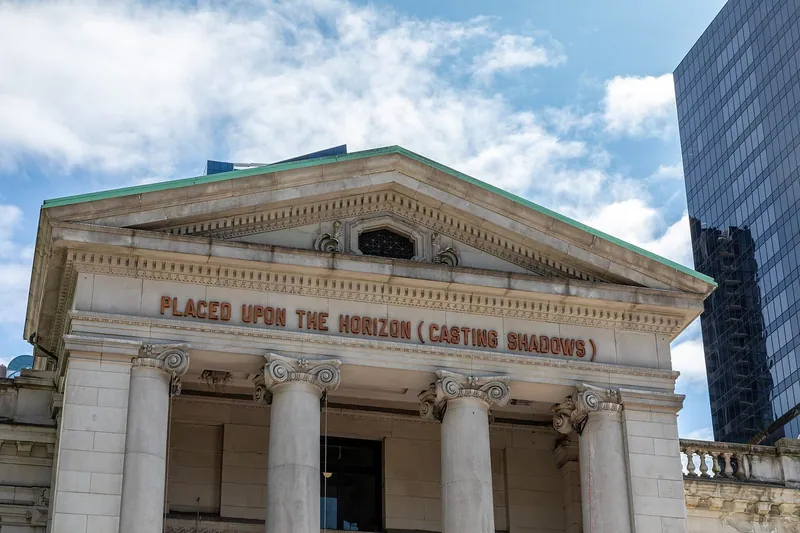
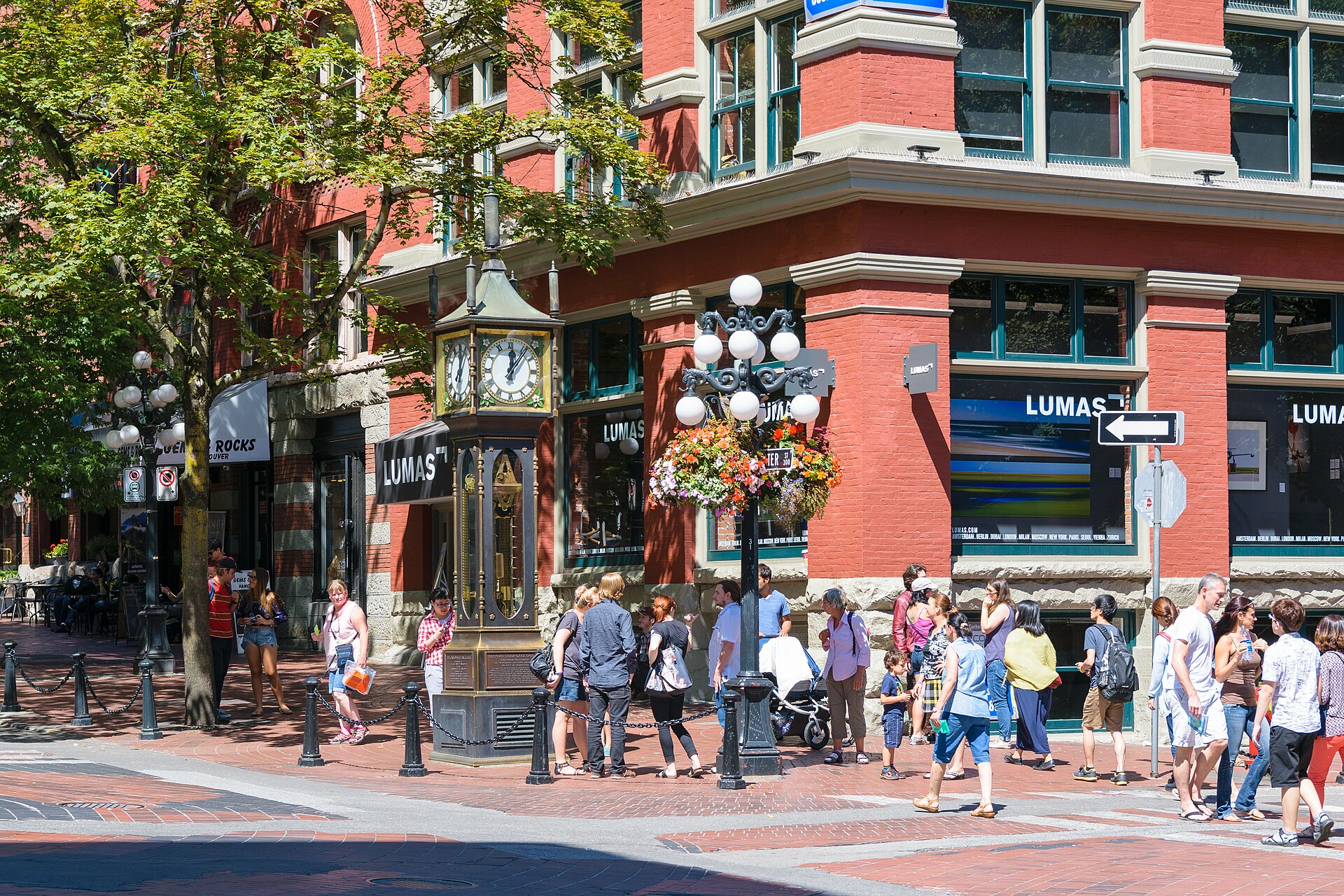
| Gastown | Evening food + one historic walk; not ideal as a first hotel base for nervous travellers. | Waterfront Station (Expo / Canada / SeaBus) — 5–10 min walk. |
| Coal Harbour | Cruise and convention hotels; walk to Canada Place. | Burrard or Waterfront + walk. |
| West End | Park walkers, beach evenings, long stays that feel like living here. | No station inside — Burrard or City Centre + short bus/walk. |
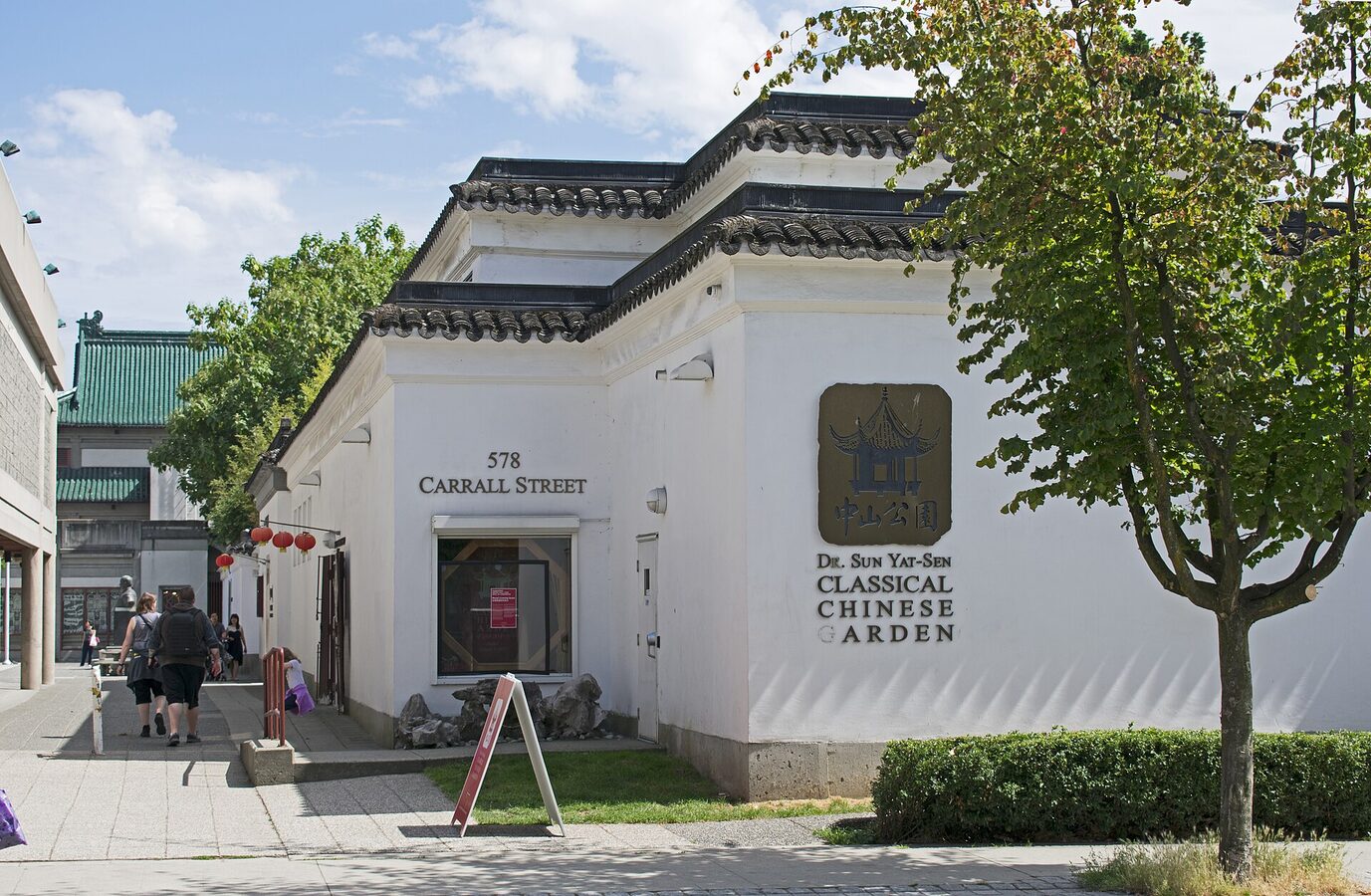
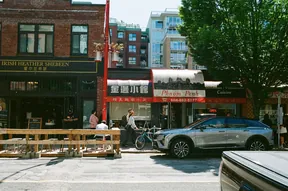
| Chinatown | Day visits for food and heritage; hotel choice needs care. | Stadium–Chinatown (Expo Line). |
| Neighbourhood | Who it suits | Nearest SkyTrain or bus |
|---|---|---|
| Mount Pleasant | Locals-at-heart visitors; not the first cruise-night hotel zone. | Broadway–City Hall (Expo Line) west edge; Stadium–Chinatown to the north. |
| Olympic Village | Quiet modern base near Main Street–Science World. | Olympic Village (Expo Line) at Cambie and 2nd; Stadium–Chinatown (Expo Line) is a walk east along the seawall. |
| Fairview | Longer stays, hospital visitors, quieter nights than Robson. | Broadway–City Hall; Olympic Village for the south-east edge. |
| Strathcona | Curious walkers by day; research hotel choice carefully. | Stadium–Chinatown or Main Street–Science World (Expo Line), or walk from downtown; buses along Hastings and Main. |
| Commercial Drive | Food-first visitors who want a neighbourhood, not a mall. | Commercial–Broadway (Expo + Millennium). |
| Grandview–Woodland | Same visitor as Commercial Drive; broader residential frame. | Commercial–Broadway; VCC–Clark. |
| Hastings–Sunrise | Locals and longer visits; not cruise-night default. | Renfrew or Rupert (Millennium); bus along Hastings. |
| Riley Park / Cambie | Families, park time, Canada Line mid-city stays. | King Edward or Oakridge–41st (Canada Line) nearby. |
| South Cambie | Quiet stays on the Canada Line. | King Edward, Oakridge–41st. |
| Sunset | Longer stays and locals; fewer tourist magnets. | No SkyTrain in core Sunset — bus on Fraser / Main / Marine. |
| Joyce–Collingwood | Budget SkyTrain stays; not a sightseeing neighbourhood. | Joyce–Collingwood (Expo Line). |
| Neighbourhood | Who it suits | Nearest SkyTrain or bus |
|---|---|---|
| Kitsilano | First-timers who want seawall access without downtown towers. | No SkyTrain in Kits — #4 / #7 / #84 buses to Broadway–City Hall or downtown. |
| Point Grey | Beach days, museum visits, not cruise-terminal logistics. | No SkyTrain — #99 B-Line / #4 / #84 toward UBC. |
| Arbutus Ridge | Quiet stays; you will bus to the sights. | No SkyTrain — Arbutus / Broadway buses; Arbutus Greenway links. |
| Kerrisdale | Families, longer stays, west-side calm. | No SkyTrain — #41 / #49 / Arbutus buses. |
| Dunbar–Southlands | Quiet base; car helps for trails. | None — bus toward UBC / downtown. |
| Marpole | Longer stays, airport-adjacent without Richmond hotels. | Marine Drive (Canada Line). |
| Neighbourhood | Who it suits | Nearest SkyTrain or bus |
|---|---|---|
| Lonsdale Quay | Day-trippers and stays that want SeaBus instead of a downtown tower. | No SkyTrain — SeaBus from Waterfront Station is the spine. |
| Lynn Valley | Hikers and anyone skipping the Capilano ticket price. | No SkyTrain — bus from Lonsdale Quay toward Lynn Valley Road. |
| Deep Cove | Active day-trippers; not a cruise-night hotel base. | No SkyTrain — bus from Phibbs Exchange / Lonsdale Quay. |
| Horseshoe Bay | Ferry passengers and day-trippers heading to Squamish/Whistler. | No SkyTrain — bus #257 express from downtown, or drive Highway 1 west. |
| Neighbourhood | Who it suits | Nearest SkyTrain or bus |
|---|---|---|
| Brentwood | Practical stays near Millennium Line; not tourist postcard Vancouver. | Brentwood Town Centre (Millennium Line). |
| Metrotown | Shoppers and budget hotel hunters who still need SkyTrain downtown. | Metrotown Station (Expo Line). |
| Burnaby Heights | Visitors wanting North Burnaby cafes without downtown noise. | Nearest: Holdom or Brentwood (Millennium) plus bus on Hastings. |
| New Westminster | Transit-first stays with SkyTrain to downtown. | New Westminster / Columbia (Expo Line). |
| Port Moody | Outdoors day trips; quieter than downtown hotels. | Inlet Centre / Moody Centre (Millennium Line). |
| Neighbourhood | Who it suits | Nearest SkyTrain or bus |
|---|---|---|
| Steveston | Families and day-trippers who want Richmond without the mall. | Canada Line to Richmond–Brighouse, then bus #401 / #402 / #407 west to Steveston. |
| White Rock | Beach days; long haul from cruise pier — plan transit time. | No SkyTrain — bus via Bridgeport / Surrey Central connections. |
| Fort Langley | History plus village day trip; not a downtown hotel substitute. | No SkyTrain — SkyTrain to Lougheed Town Centre, bus 555 to Carvolth Exchange, then bus 562; allow about 2 hours. |
The Downtown Core sits on the peninsula bounded by Burrard Inlet, False Creek, and the historic Gastown streets. It’s the most convenient base for first‑time visitors who want to be within walking distance of Canada Place, Robson Street shopping, and the Vancouver Convention Centre. Expect a steady flow of business travellers, tourists, and locals commuting via the Expo and Millennium SkyTrain lines (stations: Waterfront, Burrard, Granville).
Typical 2026 accommodation prices (per night):
| Type | Price Range (CAD) |
|---|---|
| Budget hotel (2‑3★) | ~$130‑$180 |
| Mid‑range hotel (3‑4★) | ~$190‑$260 |
| Boutique hotel/serviced apartment | ~$270‑$350 |
| Airbnb entire apartment (1‑bed) | ~$150‑$230 |
Getting there: From Vancouver International Airport (YVR), take the Canada Line SkyTrain directly to Waterfront Station (≈25 min, $10.70 adult with the YVR AddFare; $9.35 evenings and weekends). If you’re driving from the Peace Arch crossing (US‑BC border), follow BC‑99 north to the Lions Gate Bridge; downtown parking averages $3‑$5 per hour, with many hotels offering valet for $30‑$45 per night.
What it feels like: By day, the area buzzes with convention crowds and shoppers; after 8 pm the streets quiet except for the Granville Strip’s bars and clubs. It’s ideal if you prioritize transit convenience and don’t mind a more commercial atmosphere.
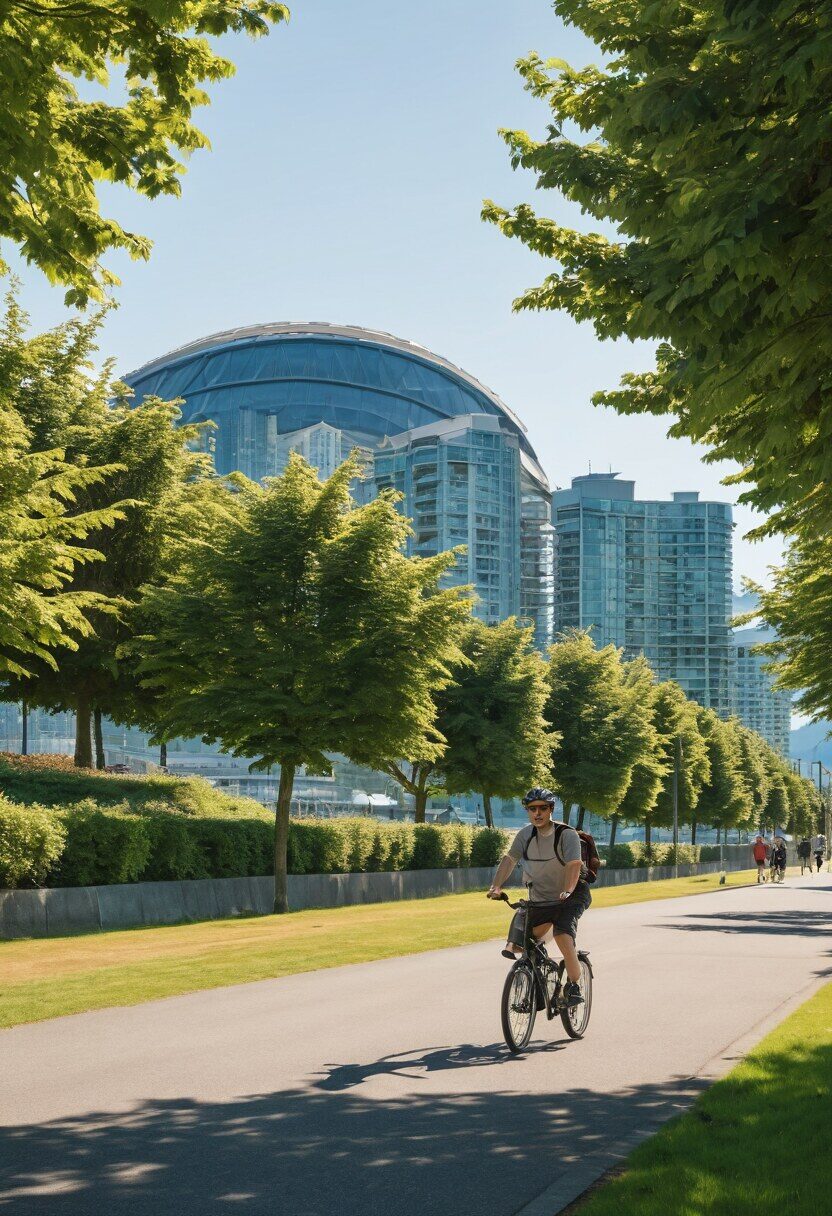
Yaletown’s converted warehouses line the south shore of False Creek, offering a polished, loft‑style vibe with easy access to the Seawall, Science World, and the Olympic Village. The neighbourhood attracts young professionals, couples, and visitors who enjoy boutique cafés, craft breweries, and a walkable waterfront promenade. SkyTrain access is via the Yaletown‑Roundhouse station (Canada Line).
Typical 2026 accommodation prices (per night):
| Type | Price Range (CAD) |
|---|---|
| Boutique hotel | ~$220‑$300 |
| Luxury serviced apartment | ~$320‑$420 |
| Airbnb studio/loft | ~$180‑$260 |
Practical tips: The Seawall is flat and well‑lit, perfect for early‑morning runs or sunset strolls. Bike‑share stations (Mobi) are abundant; a day pass costs $15. If you’re driving, note that street parking is limited and often requires a permit; most visitors use nearby private lots ($4‑$6 per hour) or hotel valet.
What it feels like: Yaletown feels upscale yet relaxed. Restaurants spill onto patios in summer, and the area stays lively until around 11 pm. It’s a strong choice for travelers who want a scenic backdrop without the high‑rise hotel hustle of downtown.
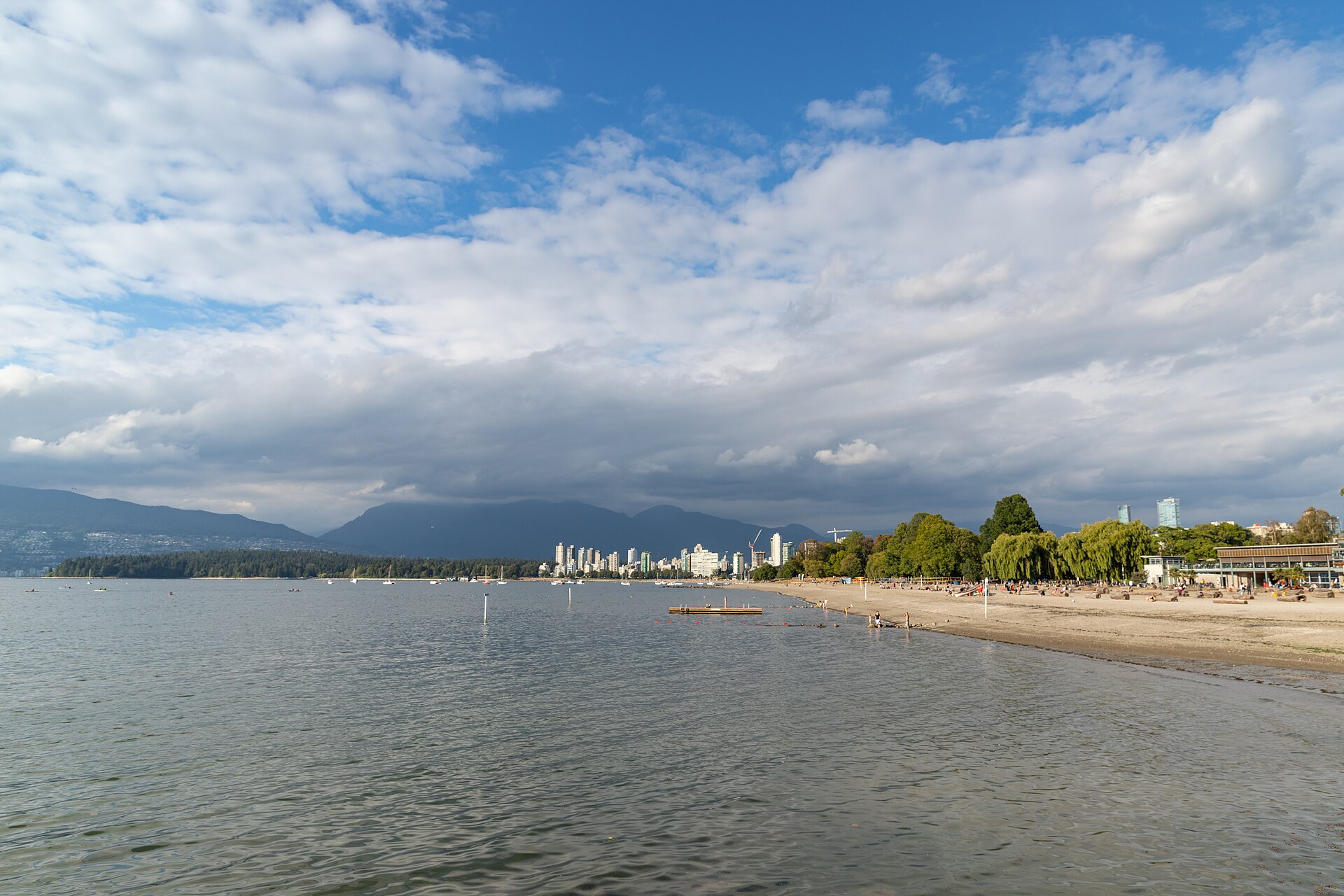
Known locally as “Kits,” this west‑side neighbourhood stretches from Point Grey to the Burrard Bridge, featuring sandy beaches, tree‑lined streets, and a strong sense of community. Kitsilano attracts families, outdoor enthusiasts, and visitors who favour a laid‑back vibe with quick access to the beach, the Vancouver Maritime Museum, and the busy West 4th Avenue corridor (shops, yoga studios, organic markets). The nearest SkyTrain is Olympic Village Station (Canada Line) with a short bus connection (the #2 or #32).
Typical 2026 accommodation prices (per night):
| Type | Price Range (CAD) |
|---|---|
| Budget inn/hostel | ~$115‑$160 |
| Mid‑range B&B | ~$170‑$230 |
| Airbnb entire house (2‑bed) | ~$200‑$300 |
Getting there: From downtown, the #2 bus runs along Burrard Street to Cornwall Avenue (≈20 min, $3.20). If you’re driving from the US border, take BC‑99 to the Burrard Bridge; street parking is free in many residential zones after 6 pm, but daytime limits apply (2‑hour max, enforced by signage).
What it feels like: Mornings are filled with joggers and paddleboarders on Kits Beach; evenings bring a relaxed bar scene on West 4th. The neighbourhood feels residential and safe, making it ideal for travelers who want a “local” experience without sacrificing convenience to downtown (≈15 min by transit).
Commercial Drive (“The Drive”) runs through the Grandview‑Woodland neighbourhood, offering a multicultural mix of indie boutiques, vegan eateries, craft breweries, and live‑music venues. It’s a hub for artists, students, and visitors who appreciate gritty authenticity over polished façades. The area is serviced by the Main Street‑Science World SkyTrain station (Expo Line) and several bus routes (#7, #20).
Typical 2026 accommodation prices (per night):
| Type | Price Range (CAD) |
|---|---|
| Budget hotel/hostel | ~$100‑$140 |
| Airbnb private room | ~$80‑$120 |
| Airbnb entire apartment (1‑bed) | ~$130‑$190 |
Practical tips: The Drive is best explored on foot or by bike; many streets have sharrows and bike lanes. If you’re driving, be aware of limited street parking and occasional residential permit zones—look for green signs indicating “Permit Parking Only.” A nearby parkade at 16th & Commercial charges $4 per hour, max $20 daily.
What it feels like: By day, the street hums with market stalls and coffee shop chatter; after dark, live music spills from venues like the Biltmore Cabaret and the Commodore Ballroom. It’s perfect for travelers who want an energetic, culturally rich environment and don’t mind a slightly grittier streetscape.
Main Street, running through Mount Pleasant, blends heritage character with a growing roster of specialty coffee shops, vintage boutiques, and family‑oriented parks. The neighbourhood sits just southeast of False Creek, offering easy SkyTrain access via Main Street‑Science World Station (Expo Line) and a quick walk to the seawall. It attracts young professionals, couples with kids, and visitors who appreciate a balanced mix of trendy and tranquil.
Typical 2026 accommodation prices (per night):
| Type | Price Range (CAD) |
|---|---|
| Budget hotel | ~$115‑$160 |
| Mid‑range hotel | ~$180‑$250 |
| Airbnb entire apartment (2‑bed) | ~$190‑$270 |
Getting there: From YVR, take the Canada Line to Bridgeport, transfer to the Expo Line toward King George, alight at Main Street‑Science World (≈35 min total). If you’re driving from the Peace Arch, follow BC‑99 to the Oak Street Bridge, then east on East 1st Avenue to Main Street.
What it feels like: Weekends bring farmers’ markets at Main Street & East 7th, while weekdays see a steady flow of locals grabbing brunch at spots like Jam Cafe. The area feels safe, walkable, and maintains a neighbourhood vibe despite its proximity to downtown’s high‑rise core.
Just across the Burrard Inlet, North Vancouver offers a striking contrast: mountain views, a packed maritime hub at Lonsdale Quay, and quick access to outdoor recreation on the North Shore. The SeaBus connects downtown Vancouver to Lonsdale Quay in 12‑15 minutes, providing a scenic alternative to driving. The area is popular with visitors who want a base for both city exploration and day trips to Grouse Mountain, Capilano Suspension Bridge, or Deep Cove.
Typical 2026 accommodation prices (per night):
| Type | Price Range (CAD) |
|---|---|
| Budget hotel/inn | ~$120‑$170 |
| Mid‑range hotel (waterfront view) | ~$200‑$280 |
| Airbnb entire condo (1‑bed) | ~$160‑$230 |
Getting there: From downtown, walk to Waterfront Station and take the SeaBus (a two-zone fare on weekday daytimes — $4.20 with stored value on a Compass Card, $5.10 contactless, and one zone after 6:30 p.m. or at weekends; included in a DayPass). From the US border, take BC‑99 north, cross the Lions Gate Bridge, then follow Marine Drive west to Lonsdale Avenue. Parking at the Quay plaza is $5‑$7 per hour, with a daily max of $25.
What it feels like: Lonsdale Quay’s public market offers fresh seafood, artisan goods, and outdoor seating with inlet views. The neighbourhood feels more relaxed than the core, with a strong sense of community and easy access to both transit and trailheads. Evenings are quieter, making it a good fit for families or travelers seeking a restorative stay after a day of sightseeing.
Crossing the border at Peace Arch (Surrey‑Blaine) or Douglas (Surrey‑Point Roberts) is straightforward for holders of a valid passport, NEXUS card, or enhanced driver’s licence. Expect wait times of 10‑30 minutes during peak summer weekends; checking the CBSA Border Wait Times site before departure can save time.
The Canadian dollar (CAD) typically trades around 1 USD = 1.35 CAD in 2026, though rates fluctuate. Most hotels, restaurants, and retailers accept Visa and Mastercard; American Express is less widespread. Notify your bank of travel plans to avoid card blocks. Sales tax in BC is 12 % (5 % GST + 7 % PST) and is added at the point of sale.
TransLink’s Compass Card can be loaded with credit or purchased as a DayPass ($12.55 adult). It works on SkyTrain, SeaBus, and buses. If you plan to use transit frequently, a DayPass is usually cheaper than buying individual fares.
In summary, Vancouver’s neighbourhoods each deliver a distinct flavour: Downtown for ultimate convenience, Yaletown for waterfront chic, Kitsilano for beach‑side ease, Commercial Drive for cultural vibrancy, Main Street for balanced hip‑family appeal, and North Vancouver for mountain‑water access with a laid‑back pace. Match your priorities—transit proximity, budget, desired atmosphere, and any US‑specific logistics—to the appropriate area, and you’ll settle into a stay that feels both authentic and comfortably suited to your travel style.
You can sleep in one neighbourhood and eat in another — but not if it costs 90 minutes of transfers twice a day. Pick a sleep base for nights; pick day bases as walking clusters.
| If you care most about… | Lean toward |
|---|---|
| Park + beach walks | West End / Kits |
| Dinner density | Yaletown / Gastown / Main |
| Transit convenience | Near a SkyTrain spine |
Once you've picked the vibe — downtown buzz, Kitsilano beaches or Commercial Drive — find its hotels and check live rates.
The Downtown Core offers the most convenient transit links, walkable attractions, and a range of hotels from budget to luxury, making it ideal for first‑time visitors who want to be close to Canada Place, Robson Street, and the SkyTrain.
US visitors can cross at Peace Arch or Douglas with a passport, NEXUS, or enhanced licence; expect 10‑30 minute waits. The CAD‑USD rate is about 1 USD = 1.35 CAD, and most places accept Visa/Mastercard—notify your bank before travel.
Take the Canada Line SkyTrain directly from YVR to Waterfront Station; the ride is about 25 minutes and costs $10.70 for an adult — a two-zone fare plus the $6.50 YVR AddFare — or $9.35 after 6:30 p.m. and at weekends.
Two questions come up about almost every neighbourhood on this page: is it safe, and is it worth the trip. Is Vancouver safe — an honest answer handles the first; Chinatown is the district that most often needs the nuance.
More to explore in Vancouver
 English
 Español
 Français
 Deutsch
 Українська