FanVancouver · Local guide
Vancouver Transit Guide: Compass Card, Zones & Airport Hacks
Master Vancouver's public transit. Learn about the Compass Card, fare zones.
FanVancouver · Local guide
Master Vancouver's public transit. Learn about the Compass Card, fare zones.
Transit labour dispute: Job action, service unchanged. See what is running today and what to do if buses stop.
Vancouver Transit Guide: Compass Card, Zones & Airport Hacks
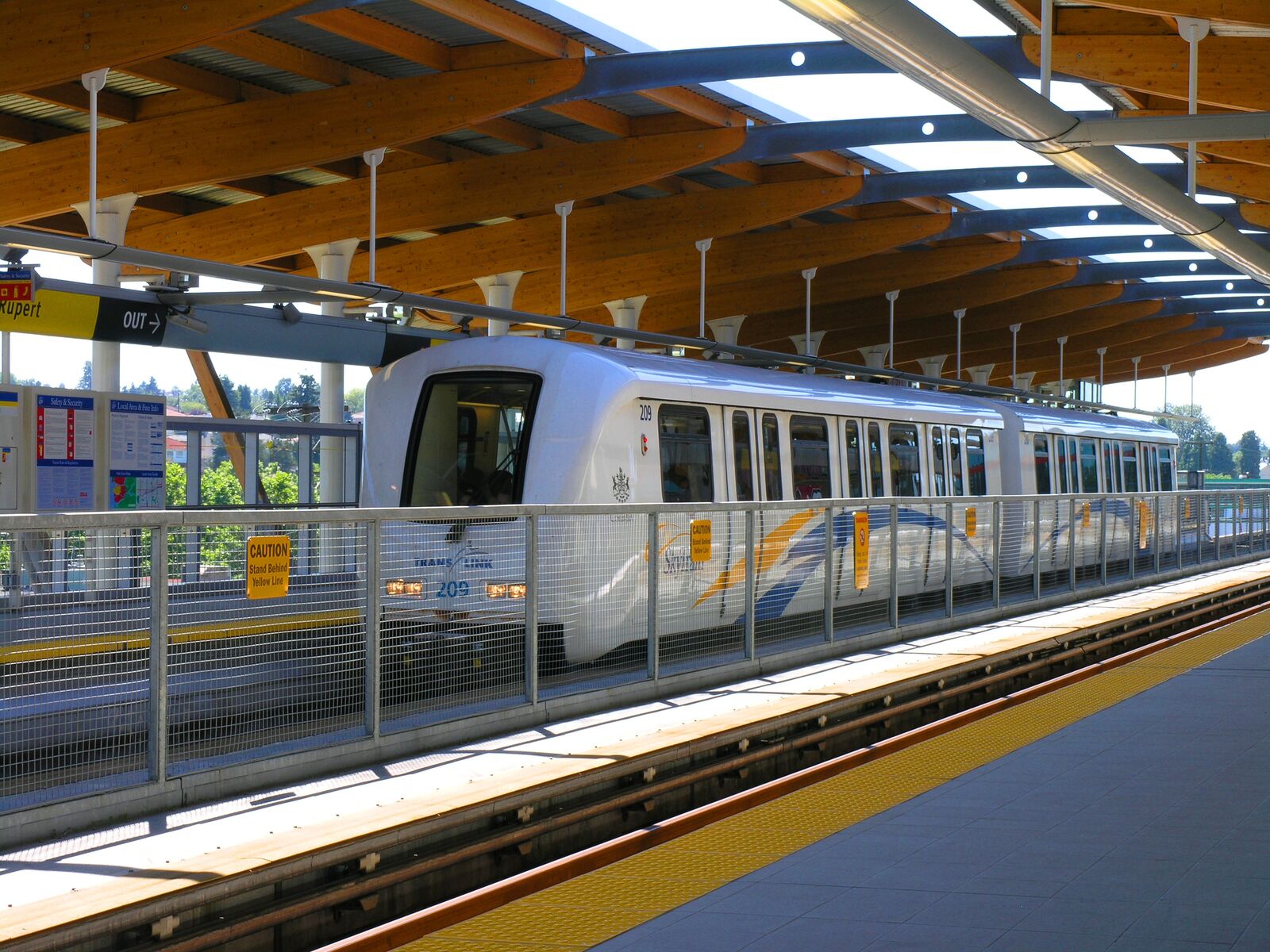
Vancouver is one of the few cities in North America where a visitor genuinely does not need a car. SkyTrain runs driverless on three lines every few minutes, the SeaBus crosses to the North Shore in twelve, buses charge one flat fare wherever you ride them, and a single tap of a Compass card covers all of it with free transfers for ninety minutes. What trips people up is narrower than the system itself: the zone rules that apply to SkyTrain but not to buses, the airport surcharge leaving YVR, and where cash still works. That is what this guide covers.
If you are here for a weekend getaway, an extended stay, or contemplating a move, understanding how to efficiently use TransLink – our regional transportation authority – is paramount. We'll cover everything from the essential Compass Card, deciphering our zone system, and crucially, how to navigate to and from Vancouver International Airport (YVR) with ease.
First things first: the Compass Card. This reloadable smart card is your absolute best friend for public transit in Metro Vancouver. While you can technically pay with contactless credit/debit cards (Visa, Mastercard, American Express) directly at fare gates and on buses, the Compass Card almost always offers a better value, especially for multiple trips or longer stays. Think of it as your all-access pass.
Local Tip: Always keep at least $6-$10 stored value on your card for unexpected trips or if you misjudge zones. It's better to have a little extra than to be stuck.
Vancouver's transit system operates on a zone-based fare structure, which can initially seem a bit complex but is straightforward once you grasp the basics. Fares are determined by the number of zones you travel through during your journey.
Important Exception: Buses are always 1-zone. Regardless of the time of day or how many zones you cross, if your entire journey is by bus, you only pay a 1-zone fare. This can be a strategic way to save money if you're not in a hurry.
Once you tap in, your fare is valid for 90 minutes across all modes of transit (SkyTrain, SeaBus, bus) within the zones you paid for. This means you can transfer between services multiple times without paying a new fare, as long as you complete your journey within that 90-minute window.
Local Tip: Use Google Maps or the TransLink Trip Planner (translink.ca) to plan your route. It will tell you how many zones you'll travel through and estimate the fare. This is invaluable for trip planning.
Getting to and from YVR is incredibly straightforward and cost-effective thanks to the Canada Line SkyTrain. Forget expensive taxis or ride-shares; the SkyTrain is your best bet.
The Canada Line connects YVR directly to Downtown Vancouver (Waterfront Station) in about 25 minutes. It's clean, efficient, and runs frequently (every 7-12 minutes depending on the time of day).
When traveling *from* YVR Airport Station (and only from YVR Airport Station, not to it), there is an additional YVR AddFare of $6.50, raised from $5 on 1 July 2026. This is automatically applied when you tap out of YVR Airport Station if you're using stored value or a DayPass. This fee does NOT apply if you're using a Monthly Pass.
Since YVR is in Zone 2, a trip to Downtown (Zone 1) typically requires a 2-zone fare. With the YVR AddFare, the total cost will be approximately:
Getting There: YVR-Airport Station is conveniently located between the International and Domestic Terminals. Just follow the "Canada Line" signs. It's a short, covered walk from arrivals.
Local Tip: If you're arriving at YVR and plan to use transit extensively, buying a DayPass at the YVR Airport CVM is a smart move. It covers the YVR AddFare and gives you unlimited travel for the rest of the day for a fixed price, potentially saving you money if you have multiple trips planned.
Vancouver's transit isn't just about getting around the city; it's about experiencing its unique geography and culture. The SeaBus is a prime example.
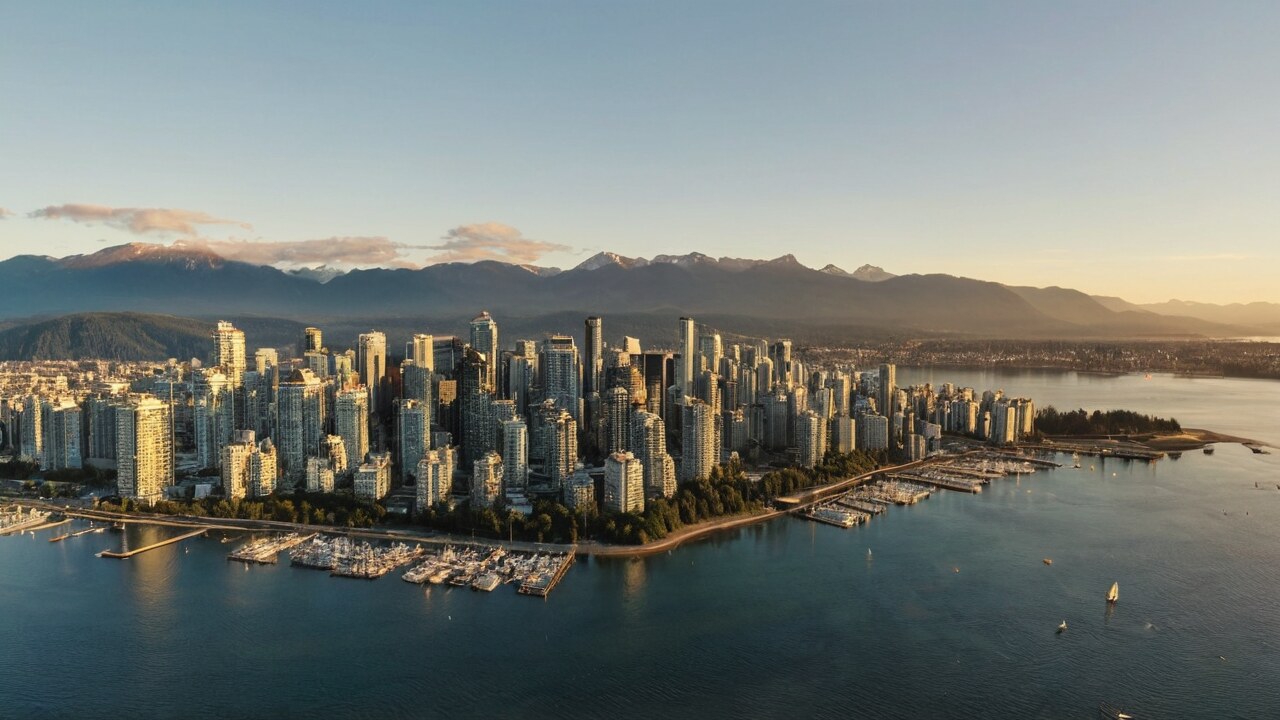
The SeaBus is a passenger-only ferry that crosses Burrard Inlet, connecting Downtown Vancouver (Waterfront Station) to North Vancouver (Lonsdale Quay). It's a fantastic, scenic 12-minute ride with wide views of the city skyline and the North Shore mountains. It operates frequently, typically every 15-30 minutes.
The SeaBus operates within the same zone system as the SkyTrain. Waterfront Station is in zone 1 and Lonsdale Quay is in zone 2, so the crossing costs a two-zone fare during the day and a one-zone fare in the evening and at the weekend:
Getting There: From Waterfront Station, follow signs to the SeaBus. At Lonsdale Quay, you're immediately at a busy market with food, shops, and access to North Vancouver bus routes that can take you to attractions like Capilano Suspension Bridge or Grouse Mountain (though for Grouse, you'll need an additional bus ride to the gondola base, typically the #236 bus from Lonsdale Quay Bus Loop).
Local Tip: A SeaBus ride is a mini-attraction in itself. Go on a clear day, especially at sunset, for incredible photo opportunities. The Lonsdale Quay Market is also an excellent spot for lunch or a coffee.
For our friends south of the border and those just settling in, a few extra considerations will make your transit experience even smoother.
TransLink is committed to accessibility. All SkyTrain stations have elevators and escalators, and trains are wheelchair-accessible. Buses are equipped with ramps. For specific accessibility needs, consult the TransLink website or contact their customer service.
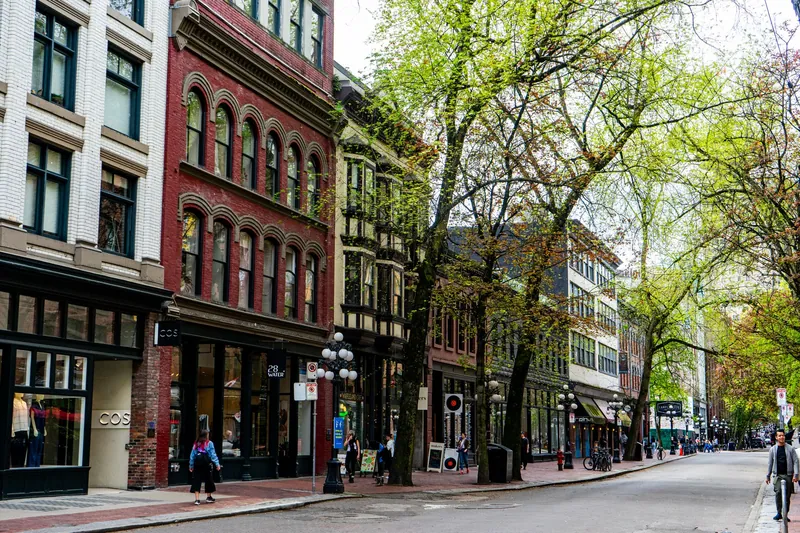
Vancouver's transit system is a gateway to experiencing the city like a local. With your Compass Card in hand, a basic understanding of zones, and these practical tips, you're ready to explore. From the urban buzz of Granville Island (accessible via bus or False Creek Ferries, which are separate from TransLink but connect well) to the natural beauty of Stanley Park, the cultural richness of Gastown, or the lively markets of Richmond (easily reached by Canada Line), our transit network makes it all accessible.
Don't be intimidated; embrace the ride. It's not just about efficiency; it's about seeing Vancouver through a different lens, enjoying the views, and becoming a part of the city's rhythm. Welcome to Vancouver, and happy exploring!
While you can pay with contactless credit/debit cards, a Compass Card offers better value for multiple trips. It's highly recommended for tourists and new residents.
During peak hours (Mon-Fri until 6:30 PM), it's approximately ~$10.70 CAD (2-zone fare + $6.50 YVR AddFare). Off-peak, it's about ~$9.35 CAD (1-zone fare + $6.50 YVR AddFare).
Yes, regardless of the time of day or how many zones you cross, bus-only journeys are always charged a 1-zone fare. This is a great way to save money if you're not in a hurry.
Event nights break the usual transit logic. If you are heading to the stadium, read getting to BC Place — the Uber pickup section alone saves most people $40.
In Vancouver the price depends on the neighbourhood far more than on the star rating. Compare live hotel and rental rates side by side before you lock your dates.