FanVancouver · Local guide
Planning a February trip to Vancouver? Get local tips on weather, top events like PuSh Festival & Lunar New Year, what to pack.
February is nobody’s idea of a Vancouver month, which is exactly why it is cheap and quiet. It is also not the washout people expect. It's a colourful shoulder season, offering a unique blend of urban charm, outdoor adventure, and cultural events, often with smaller crowds and better deals than the peak summer months. If you're planning a trip from Canada or the US, you're in for a treat. This guide covers what actually decides a February trip: the weather you will get, what is open, and where the low-season prices are.
Forget the clichés; let's look at the real Vancouver in February.
Let's talk brass tacks: the weather. February in Vancouver is decidedly winter, but it’s a mild winter compared to much of Canada and the northern US. Don't expect blizzards or persistent deep freezes. Instead, prepare for a mix of everything, often within the same day.
Virtually everything in Vancouver is open in February. This isn't a seasonal resort town that shuts down. Major attractions, restaurants, shops, and public transit operate as usual. Some seasonal outdoor activities might be weather-dependent (e.g., specific hiking trails at higher elevations could still be snowy), but the core of the city is fully functional.
This is the part visitors get wrong. Layers beat one heavy coat here: the swing between a wet morning and a bright afternoon is wider than the temperature suggests.
| When | What | Detail |
|---|---|---|
| Oct 1 – 11 | Vancouver International Film Festival Downtown venues | Individual tickets from about $23. Official site |
| Oct 7 – 31 | Fright Nights at Playland Hastings Park | Wednesday to Sunday from 6pm, until 11pm or midnight (Fridays, Saturdays and Thu Oct 22). Advance tickets by night: $39 on Oct 7, 14 and 21, $49 on Oct 8–11, 15–18 and 22, $59 from Oct 23; $6–10 more on the day. Seven haunted houses and the rides are included; our night-by-night guide. Official site |
| Oct 12 | Thanksgiving Monday Across BC | Statutory holiday: banks, Canada Post and government offices close; TransLink charges a 1-Zone fare on every trip. What’s open on the day. Official site |
| Oct 18 – 25 | Vancouver Writers Fest Granville Island | Ticketed events across the island. Official site |
| Oct 22 – Dec 31 | Astra Lumina Stanley Park, 690 Pipeline Rd | Night walk of light installations by Moment Factory, about 45–60 minutes, rain or shine; timed entry every 15 minutes in the evening. Adults from $27.20 for a set date or $39.90 for the flexible any-day ticket; ages 4–12 $29.90 on the flexible ticket; booking fee extra. Tickets, times and tips. Official site |
| Oct 24 – Nov 15 | Diwali Fest Five venues across Metro Vancouver | Free. New Westminster Oct 24, Surrey Arts Centre Nov 1, Coquitlam Nov 5, Roundhouse in Vancouver Nov 7, Surrey City Hall Nov 15. Diwali itself is Sunday, Nov 8: puja time, temples and the Punjabi Market. Official site |
| Nov 11 | Remembrance Day Victory Square and cenotaphs across Metro Vancouver | Statutory holiday; two minutes of silence at 11am. Banks, Canada Post and government offices close; TransLink charges a 1-Zone fare on every trip. Ceremonies, road closures and what’s open. Official site |
| Nov 16 – Dec 24 | Vancouver Christmas Market Jack Poole Plaza, Canada Place | Open daily with timed entry: weekdays from 4pm and weekends from 11:30am until Dec 3, then from 11:30am (10am on Dec 19–23); 6pm close on Dec 24. Tickets from $7.99 before Nov 15, $11.99–$13.99 after; season pass from $30.99; kids 6 and under free. Hours, tickets and tips. Official site |
| Nov 19 – 22 | Eastside Culture Crawl East Vancouver studios | Free to walk in; hundreds of working studios open their doors. Official site |
| Nov 20 – Jan 10 | Canyon Lights Capilano Suspension Bridge Park | 11am–9pm daily, closed Dec 25. Included with park admission. 3735 Capilano Road, North Vancouver. Official site |
| Nov 27 – Dec 29 | Bright Nights at the Noel Holiday Light Festival Cloverdale Fairgrounds, Surrey | 3pm–9:30pm; closed Nov 30, Dec 7, 24 and 25. Kids 6 and under free, parking included. This is the event that used to run in Stanley Park — it is in Surrey now. Official site |
| Nov 29 | Surrey Santa Parade of Lights Cloverdale Town Centre, Surrey | Sunday, 6pm start. Downtown Vancouver’s own Santa Claus Parade has not run since 2019 for lack of a title sponsor. Official site |
| Dec 21 | Winter Solstice Lantern Festival Several neighbourhoods | Falls on a Monday in 2026. Official site |
| Jan 20 – Feb 7 | PuSh International Performing Arts Festival Venues across Metro Vancouver | Contemporary theatre, dance, music and multimedia. The dates are confirmed; the programme and ticket sales have not been announced yet. Official site |
| Feb 6 | Lunar New Year (Year of the Goat) Chinatown and across Metro Vancouver | Lunar New Year’s Day falls on a Saturday. The Chinatown Spring Festival Parade is expected on Sunday, Feb 7 at 11am; the Chinese Benevolent Association usually confirms the date in January. Parade route, events and food. Official site |
| Feb 15 | BC Family Day Across BC | Statutory holiday: banks, Canada Post and government offices close; TransLink charges a 1-Zone fare on every trip. Valentine’s Day falls on the Sunday, so expect a busy long weekend on the local ski hills: season dates and passes. Official site |
| Mar 6 – 13 | Vancouver International Wine Festival Vancouver Convention Centre East and venues across the city | The 48th festival. Trade Days fall on the Thursday and Friday of festival week (Mar 11–12). The 2026 edition poured wines from 112 wineries in 14 countries; proceeds support Bard on the Beach. Official site |
Checked against each organiser’s own site on 15 August 2026; Fright Nights, Canyon Lights, the Christmas Market and Bright Nights re-checked on 27 September 2026; Astra Lumina added from its official page on 28 September 2026 and re-checked on its ticketing page on 2 October 2026; the Surrey Santa Parade of Lights added from the Cloverdale BIA’s own page on 2 October 2026; the January–March 2027 dates added from the organisers’ own pages on 4 October 2026. Where an organiser has not published details for the coming season, this page says so rather than guessing.
February in Vancouver is surprisingly rich with events, often focusing on arts, culture, and community. Here are some highlights:
Family Day weekend and the Lunar New Year fill tours fast; the rest of the month is quiet and cheap.
Affiliate links: we may earn a commission at no extra cost to you. Prices and availability are always confirmed on the partner site.
Don't let the city's mild temperatures fool you; top-tier winter sports are just a short drive away. And for those who prefer lower elevations, Vancouver's natural beauty shines even in winter.
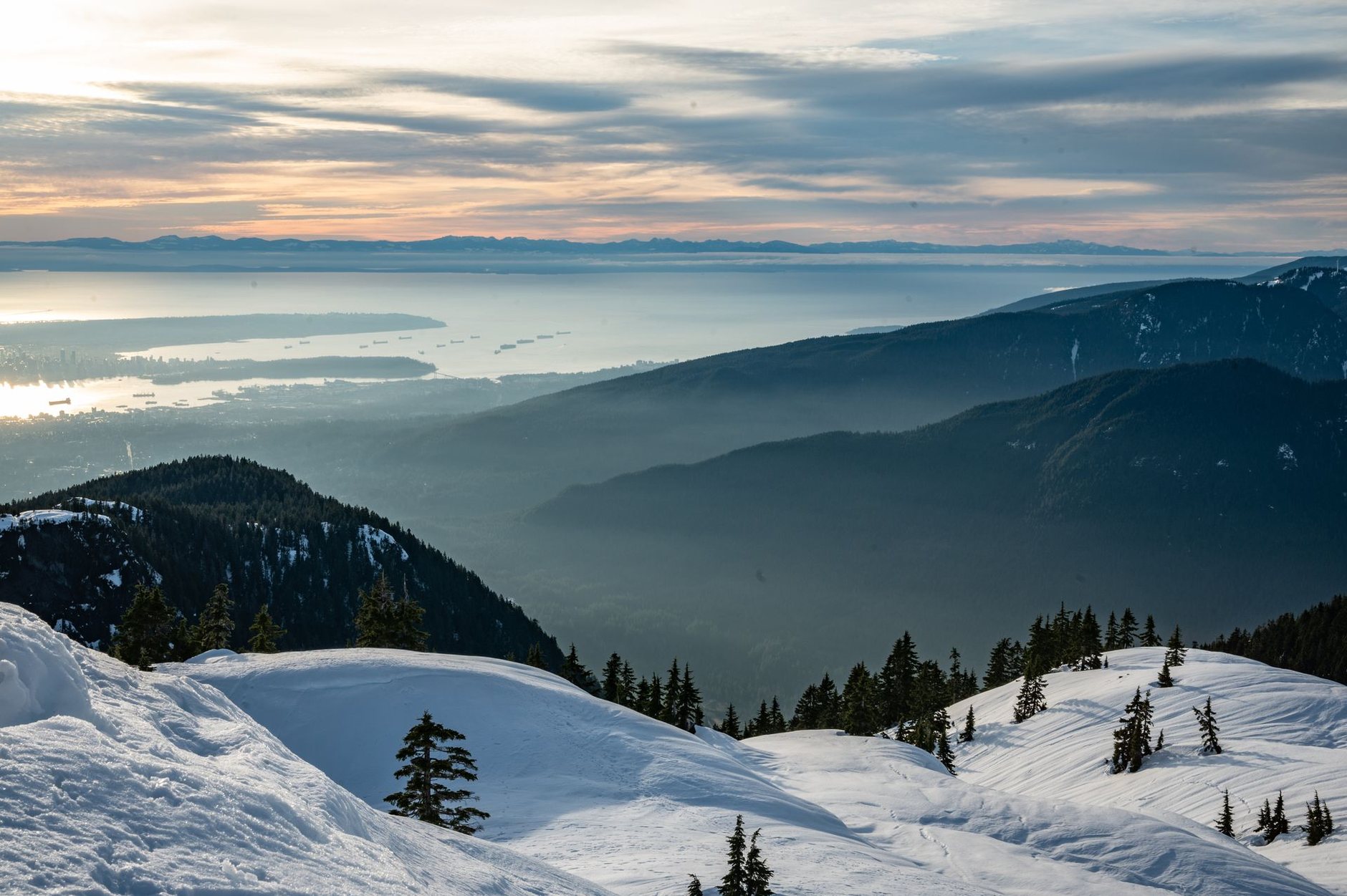
These three local mountains offer excellent skiing, snowboarding, and snowshoeing, often with big views of the city and ocean. They are easily accessible by car or public transit/shuttle services.
Even on a rainy day, a walk or bike ride along the Stanley Park Seawall is invigorating. The crowds are thinner, and the misty views of the Burrard Inlet and North Shore mountains are uniquely beautiful. Rent a bike near the park entrance (expect ~CAD $20 - $30 for a 2-hour rental). Other beautiful parks like Queen Elizabeth Park (with its Bloedel Conservatory, CAD $9.50 entry) and VanDusen Botanical Garden (Festival of Lights ends early January, but the gardens are still lovely for a winter stroll, ~CAD $10 - $12 entry) are also worth exploring.
Vancouver's food scene is top-tier, and February is a fantastic time to indulge. Many restaurants participate in "Dine Out Vancouver" in late January/early February, offering fixed-price menus at great value. Even outside of that, the city's diverse culinary offerings are perfect for warming up.
When the rain does come down, Vancouver offers an abundance of excellent indoor options.
For our friends south of the border, here are a few essential tips to ensure a smooth trip.
Vancouver has an excellent, efficient public transit system managed by TransLink, comprising SkyTrain (our automated metro), SeaBus (passenger ferry across Burrard Inlet), and buses.
So, what's a typical February like for me and other Vancouverites? We embrace the "wet coast" lifestyle, but we don't let it stop us from enjoying the city.
February in Vancouver is a month of transition, offering a quieter, more authentic experience of the city before the spring crowds arrive. With the right preparation and an open mind, you'll discover why those of us who live here wouldn't trade our mild, colourful winters for anything.
Enjoy your trip!
Yes, February is a great shoulder season month to visit Vancouver. You'll find fewer crowds, potentially better deals on accommodation, and a colourful local events calendar. While it can be rainy, the weather is mild, and winter sports are easily accessible in the nearby mountains.
February in Vancouver is mild, with average daytime temperatures between 5°C to 9°C (41°F to 48°F). Expect a mix of rain and cloudy days, but heavy snow is rare in the city. The mountains will have plenty of snow for winter sports.
Pack layers! A waterproof and breathable jacket, warm sweaters or fleeces, waterproof footwear (boots or sturdy shoes), a hat, gloves, and a scarf are essential. A compact umbrella is also a good idea.
Absolutely! Grouse Mountain, Cypress Mountain, and Mount Seymour are all within a short drive or shuttle ride from downtown Vancouver and offer excellent skiing, snowboarding, and snowshoeing throughout February.
Vancouver has an excellent public transit system (TransLink) including SkyTrain, SeaBus, and buses. You can use a reloadable Compass Card or tap your contactless credit card/mobile wallet directly at fare gates. The city is also very walkable, especially downtown.
More to explore in Vancouver
 English
 Español
 Français
 Deutsch
 Українська