FanVancouver · Local guide
Compare Vancouver and Seattle for US travelers: flights, border, lodging, food, outdoors, culture, nightlife, and practical tips with 2026 CAD prices.
Choosing between Vancouver and Seattle? Start with your travel dates, transport options and the activities you want to fit into the trip. Use this guide to compare the practical choices, then check current ticket prices, opening days and border requirements before booking.
Planning a Vancouver–Seattle trip? Compare your whole-trip budget using your own transport, hotel, parking and spending quotes. The calculator keeps missing costs visible and uses the exchange rate and fee you enter.
For most U.S. visitors, the easiest entry point is Seattle‑Tacoma International Airport (SEA), which offers dozens of daily non‑stop flights from hubs like Chicago, Denver, Atlanta, and Los Angeles. Round‑trip economy fares in late spring 2026 typically range from ~USD 180‑260 (≈~CAD 240‑350) when booked 4‑6 weeks ahead. Vancouver International Airport (YVR) is similarly well‑served, with average round‑trip fares from the same U.S. cities sitting at ~USD 200‑280 (≈~CAD 270‑380).
Before driving into Canada, review the CBSA travel and identification guidance for your citizenship and travel mode. For goods you bring with you, use the guidance for visitors entering Canada; Canadian residents returning from a trip should consult the returning-resident declaration guide. Check your payment provider’s exchange rate and fees when budgeting.
Once you’re in Vancouver, the TransLink network makes getting around painless. A single-zone adult fare is $2.85 with stored value on a Compass Card, or $3.50 if you tap a contactless bank card; two zones cost $4.20 and $5.10. Every trip started after 6:30 p.m. on weekdays, and everything on weekends, is charged as one zone. An all-zone DayPass is $12.55. The SkyTrain’s Expo Line connects downtown to Surrey, the Millennium Line reaches Burnaby and Simon Fraser University, and the Canada Line whisks you from YVR to downtown in 25 minutes. The SeaBus ferry links Waterfront Station to Lonsdale Quay in North Vancouver for CAD 4.20 each way, offering scenic views of the harbour.
In Seattle the price depends on the neighbourhood far more than on the star rating. Compare live hotel and rental rates side by side before you lock your dates.
Vancouver’s accommodation market is slightly pricier than Seattle’s, but the difference narrows when you factor in the stronger Canadian dollar and the city’s compact, walkable core.
Mid‑range hotels (3‑star) such as the Granville Island Hotel or Holiday Inn Vancouver Centre average ~CAD 180‑230 per night in 2026. Boutique options like Opal Vancouver start at ~CAD 250‑300. Luxury stays (e.g., Fairmont Pacific Rim) run ~CAD 420‑560. Most properties are within a 5‑minute walk of SkyTrain stations and the seawall.
Popular with travelers who want a beach‑side feel, Kitsilano offers pleasant bed‑and‑breakfasts and low‑rise hotels. Expect ~CAD 150‑200 for a well‑rated 2‑star inn, and ~CAD 220‑280 for a modern aparthotel with kitchenette. The area is served by the #2 and #8 bus routes, linking to downtown in 20‑25 minutes.
If you crave historic brick streets and indie vibes, Gastown’s boutique hotels (e.g., Hyatt Regency Vancouver) average ~CAD 210‑260. Hostels like Samesun Vancouver offer dorm beds for ~CAD 35‑45 per night and private rooms from ~CAD 80‑110. Both neighborhoods are extremely walkable and just a short SkyTrain ride from Waterfront Station.
Vancouver’s culinary scene leans heavily on Asian‑Pacific fusion, fresh seafood, and farm‑to‑table ingredients — reflecting its multicultural population and proximity to both ocean and farmland.
A must‑visit for any food lover. Grab a ~CAD 12‑18 piece of smoked salmon bagel from Granville Island Public Market’s famous Granville Island Coffee Co. stall, or a hearty bowl of ~CAD 14‑20 ramen at Marutama Ramen. The market itself is free to wander; budget ~CAD 30‑50 for a casual lunch with drinks.
For authentic dim sum, head to Sea Harbour Seafood Restaurant where a typical lunch for two runs ~CAD 45‑65. On Main Street, the hip brunch spot Jam Cafe serves eggs benedict and maple bacon for ~CAD 16‑22 per plate.
When you’re ready to splurge, Miku Vancouver (Aburi‑style sushi) offers a tasting menu at ~CAD 120‑150 per person, while Globe@Yaletown provides a three‑course prix fixe for ~CAD 80‑110. Reservations are essential, especially on weekends.
Vancouver’s food‑truck scene clusters around Olympic Village and the Vancouver Art Gallery plaza. Expect ~CAD 10‑14 for a gourmet taco, ~CAD 8‑12 for a Korean‑style rice bowl, and ~CAD 5‑7 for a fresh‑pressed juice. Many trucks accept contactless payment and offer vegetarian/vegan options.
Both cities excel at nature, but Vancouver’s proximity to the North Shore mountains gives it a unique edge for day‑trippers seeking alpine vistas without a long drive.
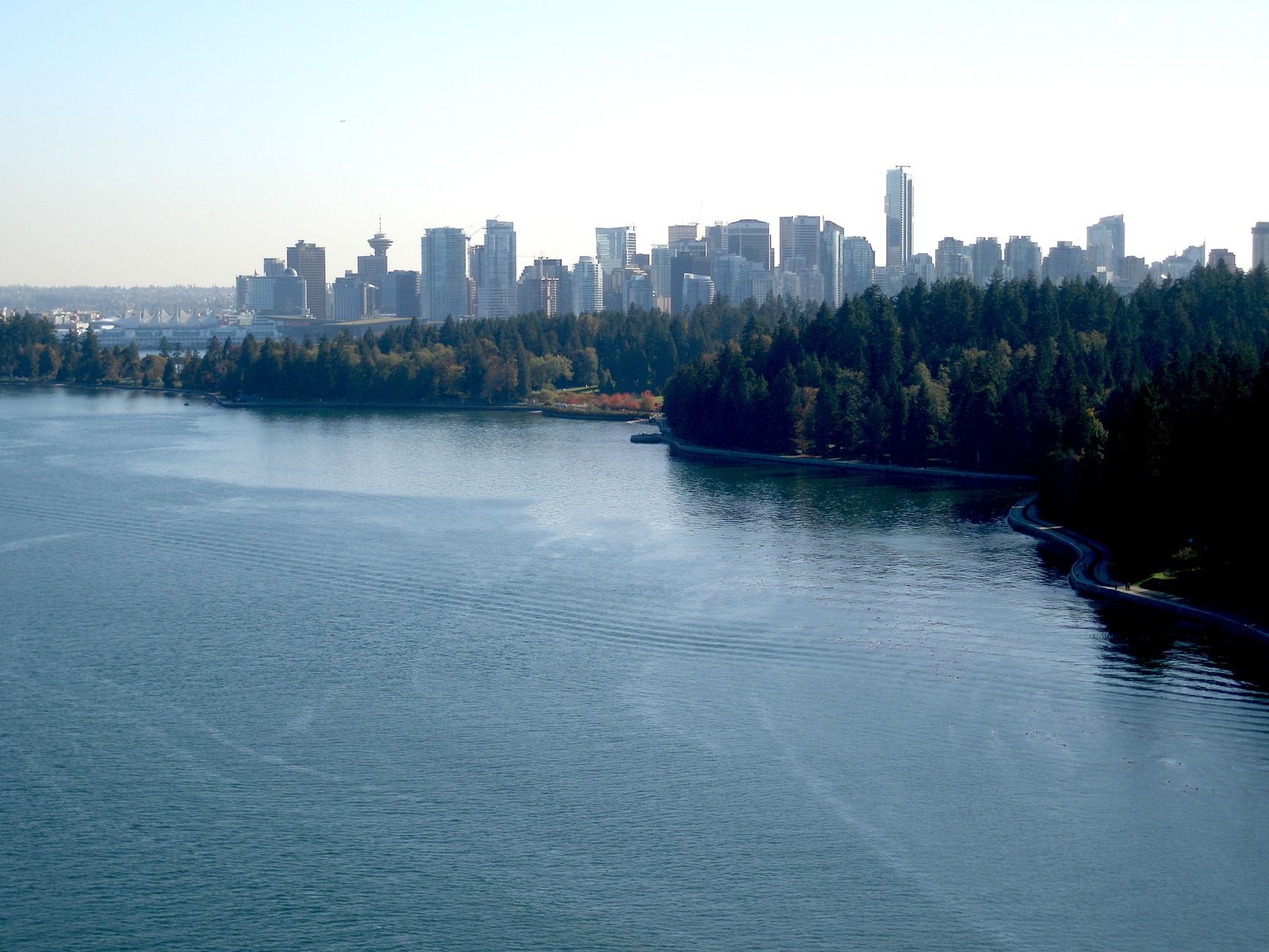
The 405‑hectare urban park loops around a 9‑kilometre seawall that’s perfect for walking, jogging, or renting a bike (~CAD 15‑20 per hour). Highlights include the Totem Poles at Brockton Point, the Vancouver Aquarium (~CAD 42‑48 adult ticket), and Second Beach’s outdoor pool (~CAD 6‑8 entry).
Grouse Mountain is in North Vancouver. From downtown, the operator’s transit directions use the SeaBus to Lonsdale Quay followed by bus 236; check your complete journey before leaving. The Grouse Grind is a steep, difficult 2.5 km uphill trail. Check Metro Vancouver’s current trail hours and closures. Downhill hiking on the Grind is prohibited; if you plan to descend by Skyride or gondola, arrange a Download Ticket. Check the operator’s ticket options for your date rather than relying on a fixed price range.
A classic tourist draw, the suspension bridge (~CAD 62‑70 adult) sways 70 metres above the Capilano River. The adjacent Treetops Adventure and Cliffwalk are included in the ticket. Combine it with a visit to the nearby Lynn Canyon Park (free suspension bridge and hiking trails) for a budget‑friendly alternative.
Whistler: Plan the Sea-to-Sky journey around current road conditions and your operator’s timetable. Compare Tourism Whistler’s shuttle options and confirm your return departure and what the ticket includes; journey times and fares depend on the date and service.
Victoria: Plan travel to Tsawwassen, the ferry to Swartz Bay and a separate onward transfer to Victoria. Check BC Ferries fares for your date and whether the quote includes your passengers, vehicle and applicable fees. The terminal transportation guide explains public transit at both ends; check the return sailing as well. For a garden stop, confirm Butchart Gardens’ dated hours and rates. Compare both outings in our day-trip guide.
Vancouver’s cultural offerings reflect its Pacific Rim location and strong Indigenous heritage.
On UBC’s Vancouver campus, the Museum of Anthropology presents Indigenous and world cultural collections. Its current visitor information lists paid youth admission for ages 6–18 and free admission for children aged 0–5; check all ticket categories and opening days for your date. Follow the museum’s transit directions for the final walk or local bus connection from UBC Exchange.
The Vancouver Art Gallery is at 750 Hornby Street in downtown Vancouver. Its current visitor information lists free admission for ages 18 and under and a Free First Friday evening each month. Reserve ahead to guarantee entry for that event. The Gallery currently closes on Tuesdays; check its opening days and ticket categories for your visit date.
Beyond the market, Granville Island hosts the Granville Island Brewing Company (tours ~CAD 15‑20) and numerous galleries, studios, and theatres. The Granville Island Public Market also runs free outdoor performances in summer.
Free self‑guided walking tours (PDFs available from Tourism Vancouver) highlight the famous steam clock, cobblestone streets, and the historic Hotel Europe. Guided tours with local historians run ~CAD 25‑35 per person and depart from the Waterfront Station.
Vancouver’s after‑dark scene is more low‑key than Seattle’s, but it compensates with quality craft breweries, intimate music venues, and a thriving LGBTQ+ scene.
Start with a tour of Granville Island Brewing (~CAD 15‑20) or Brewery Creek in Mount Pleasant (~CAD 12‑18). Many taprooms offer flights of four beers for ~CAD 10‑14. For a broader experience, the Vancouver Craft Beer Week (usually held in May) offers passport‑style tickets at ~CAD 45‑55 for access to dozens of participating breweries.
The Commodore Ballroom (Granville Street) hosts indie and international acts; ticket prices typically range ~CAD 35‑70. For a more intimate vibe, check out Biltmore Cabaret in Gastown (~CAD 20‑30) or The Waldorf on Main Street (~CAD 15‑25). Electronic music fans should head to Ceili’s in Yaletown (~CAD 20‑35) for weekend DJ sets.
Granville Street’s club district features venues like Levels Nightclub (~CAD 20‑30 cover) and Bar None (~CAD 15‑25). Davie Village, the heart of Vancouver’s LGBTQ+ community, offers inclusive bars such as Ceili’s (~CAD 10‑15 drink specials) and JR’s (~CAD 12‑18 for a pitcher of domestic beer).
Understanding a few logistical details will make your trip smoother and help you avoid common pitfalls.
While many establishments accept U.S. dollars, you’ll receive change in CAD at a less‑favorable rate. It’s best to carry a small amount of cash (~CAD 20‑40) for markets, transit, or tips, and rely on a no‑foreign‑fee credit card for larger purchases. ATM fees from Canadian banks average ~CAD 3‑5 per withdrawal; using your bank’s global alliance (e.g., Bank of America’s partnership with Scotiabank) can reduce or eliminate these charges.
If you’re driving, check the Canada Border Services Agency site for real‑time wait times. For current NEXUS eligibility, application fees and participating crossings, consult the official NEXUS program guidance. Remember that cannabis, while legal in Canada, cannot be brought across the border — possession could lead to fines or a ban.
Vancouver’s marine temperate climate means mild winters (average lows ~1‑5 °C) and cool summers (average highs ~20‑24 °C). Pack layers: a waterproof jacket, a warm fleece, and comfortable walking shoes. Summer evenings can still dip below 15 °C, so a light sweater is advisable.
On SkyTrain and buses, offer your seat to seniors, pregnant passengers, and those with disabilities. Keep the volume low on phone calls and music; locals appreciate a quiet ride. When boarding the SeaBus, have your Compass Card or cash ready to avoid holding up the line.
Vancouver edges out Seattle for travelers who prioritize seamless transit, striking mountain‑to‑sea scenery, and a distinctly multicultural food scene — all within a compact, walkable core. Seattle may appeal more to those seeking a larger music‑festival calendar, a legendary coffee culture, and a slightly lower hotel price point. Ultimately, if you have three to five days and want a blend of urban sophistication, outdoor adventure, and easy border logistics, Vancouver offers a polished, visitor‑friendly experience that feels both familiar and refreshingly different.
CBSA recommends a valid passport for US citizens, but also describes other acceptable proof of identity and citizenship for entry to Canada. Check its current document guidance for your citizenship, status and travel mode before travelling. Review NEXUS requirements separately if you plan to use the program.
Expect to pay roughly CAD 180‑230 per night for a 3‑star hotel in the downtown core, Yaletown, or Granville area.
Many tourist‑focused businesses accept USD, but you’ll receive change in CAD at a poor rate. Using a no‑foreign‑fee credit card or withdrawing CAD from an ATM is recommended.
More to explore in Vancouver
 English
 Español
 Français
 Deutsch
 Українська