English
 Español
 Français
 Deutsch
 Українська
How to use this news article
- Read the date and treat time-sensitive claims carefully.
- If it affects your plans, verify on an official source.
- Convert useful tips into one concrete action (book, route, or skip).
- Return to Vancouver hub guides for evergreen logistics.
Published 2026-07-17 · Alex
Understanding Vancouver's Housing Transformation
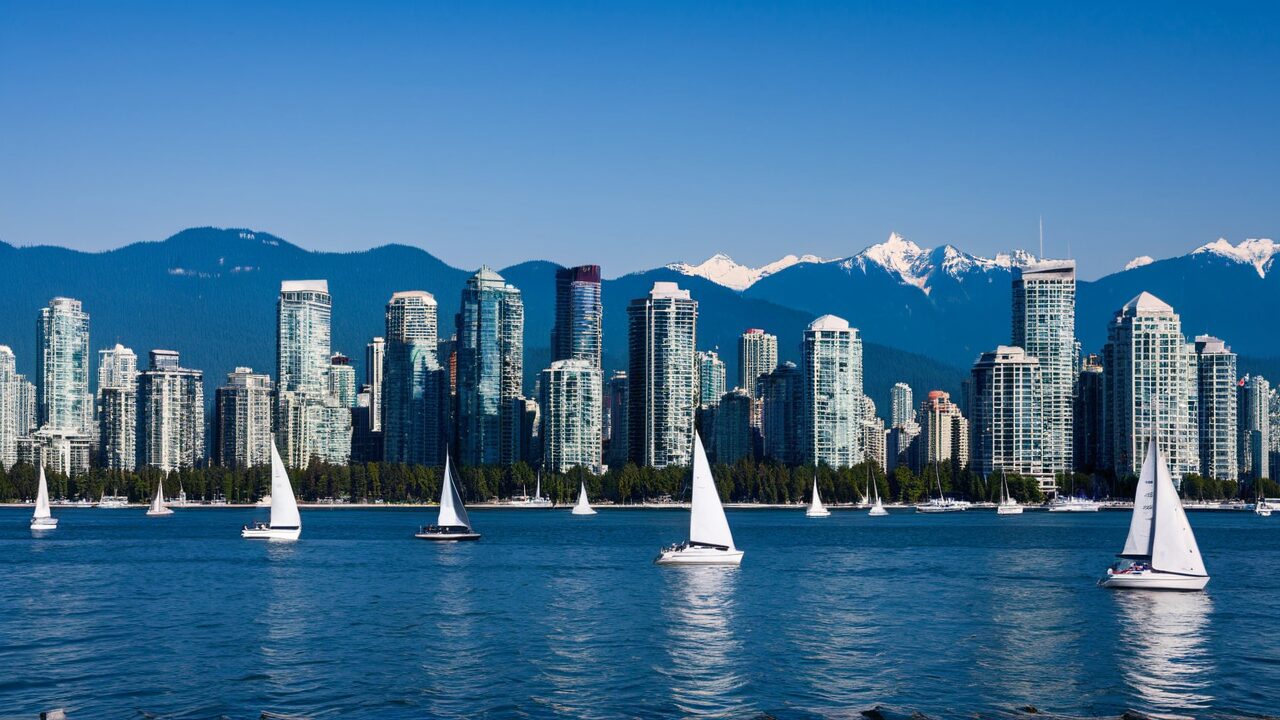
Vancouver is a city constantly evolving, and right now, a major conversation is happening about how we grow. You might have heard whispers, or seen news about "villages" and "densification." This isn’t just abstract city planning; it’s about how Vancouver will look, feel, and function for both residents and visitors in the coming years. Simply put, the city is exploring ways to build more housing, particularly in areas that have traditionally been single-family homes, transforming them into more diverse, walkable communities.
This isn't a new concept for Vancouver, a city known for its compact downtown core and colourful neighbourhoods. But the current discussions are about accelerating this change across a wider swathe of the city. For those visiting, this means potentially discovering new pockets of activity, more local businesses, and easier access to amenities outside the traditional tourist zones. For residents, it’s about the very fabric of our communities, touching on everything from local shops to public transit, and how we all navigate our daily lives. Whether you’re here for a week or a lifetime, understanding these shifts helps you appreciate the dynamic city we call home.
Navigating Vancouver's Evolving Neighbourhoods
As Vancouver considers its "village" approach, you'll find that many areas are already experiencing or anticipating change. This doesn't mean construction on every corner, but rather a thoughtful re-imagining of how people live, work, and play in different parts of the city. Here’s how to experience Vancouver’s evolving landscape:
- Explore Emerging Hubs: Keep an eye on areas around SkyTrain stations outside the immediate downtown core. Neighbourhoods like Joyce-Collingwood (Expo Line), Nanaimo (Expo Line), and Oakridge-41st Avenue (Canada Line) are already seeing significant redevelopment and new amenities. These areas often offer a more local, authentic Vancouver experience compared to the crowded tourist core.
- Walkable Commercial Streets: Many of Vancouver's existing "villages" are defined by their lively commercial streets. Take a stroll down South Granville Street (between 7th and 16th Avenues), Main Street (from 16th to 33rd Avenues), or West 4th Avenue in Kitsilano. These areas are already well-established with independent shops, cafes, and restaurants, and exemplify the kind of mixed-use environments the city is aiming to foster more broadly.
- Public Transit is Key: With increased density comes an even greater reliance on efficient public transit. Familiarize yourself with TransLink. A Compass Card is your best friend for navigating the city. You can purchase one at any SkyTrain station or London Drugs.
Option Price Range Where to Buy Single Use Ticket $3.50 - $6.70 (depending on zones) SkyTrain stations, bus drivers Compass Card (rechargeable) $6 deposit + stored value (minimum $5) SkyTrain stations, London Drugs, Compass Card website DayPass $12.55 SkyTrain stations, London Drugs - Support Local Businesses: As neighbourhoods evolve, supporting local businesses ensures they thrive. Seek out independent coffee shops, bookstores, and boutiques. For example, in the Riley Park-Little Mountain area, check out shops along Main Street like Our Community Bikes (1501 W 6th Ave) or cafes like 49th Parallel Coffee Roasters (2198 W 4th Ave).
What's Next for Vancouver's Development?
The "Vancouver Villages Plan" and similar discussions are ongoing processes. City council meetings, public hearings, and community consultations will continue to shape the final outcomes. For visitors, this means that Vancouver will remain a dynamic city, with new developments and evolving character appearing over time. For residents, it's about staying engaged and understanding how these plans will impact your daily life.
Key areas to watch for future developments often include:
- Major Transit Hubs: Areas around new or expanded SkyTrain lines, such as the Broadway Subway Project, are prime locations for increased density and new community amenities. The Arbutus Greenway, while not directly a SkyTrain line, is also transforming into a colourful linear park, influencing development along its route.
- Former Industrial Lands: Areas like False Creek Flats and sections of the Fraser River waterfront are undergoing significant transformation from industrial uses to mixed-use communities. Keep an eye on developments around Science World and the Olympic Village for examples of this urban regeneration.
- Community Amenity Contributions: As new developments are approved, they often come with "Community Amenity Contributions" (CACs) – funding or land for public benefits like parks, community centres, and affordable housing. These contributions are crucial for ensuring that growth benefits the wider community.
The debate around housing densification can be intense, reflecting the deep passion Vancouverites have for their city. However, the overarching goal is to create a more livable, affordable, and sustainable city for everyone. By understanding these conversations, you gain a deeper appreciation for the complexities and aspirations of one of Canada's most busy urban centres.
Story first reported by r/vancouver.
← More Vancouver news & insights · Full Vancouver guide
📬 Vancouver This Weekend
One short email every Friday: the weekend's best events, free things to do, and one local tip. No spam, unsubscribe anytime.