English
 Español
 Français
 Deutsch
 Українська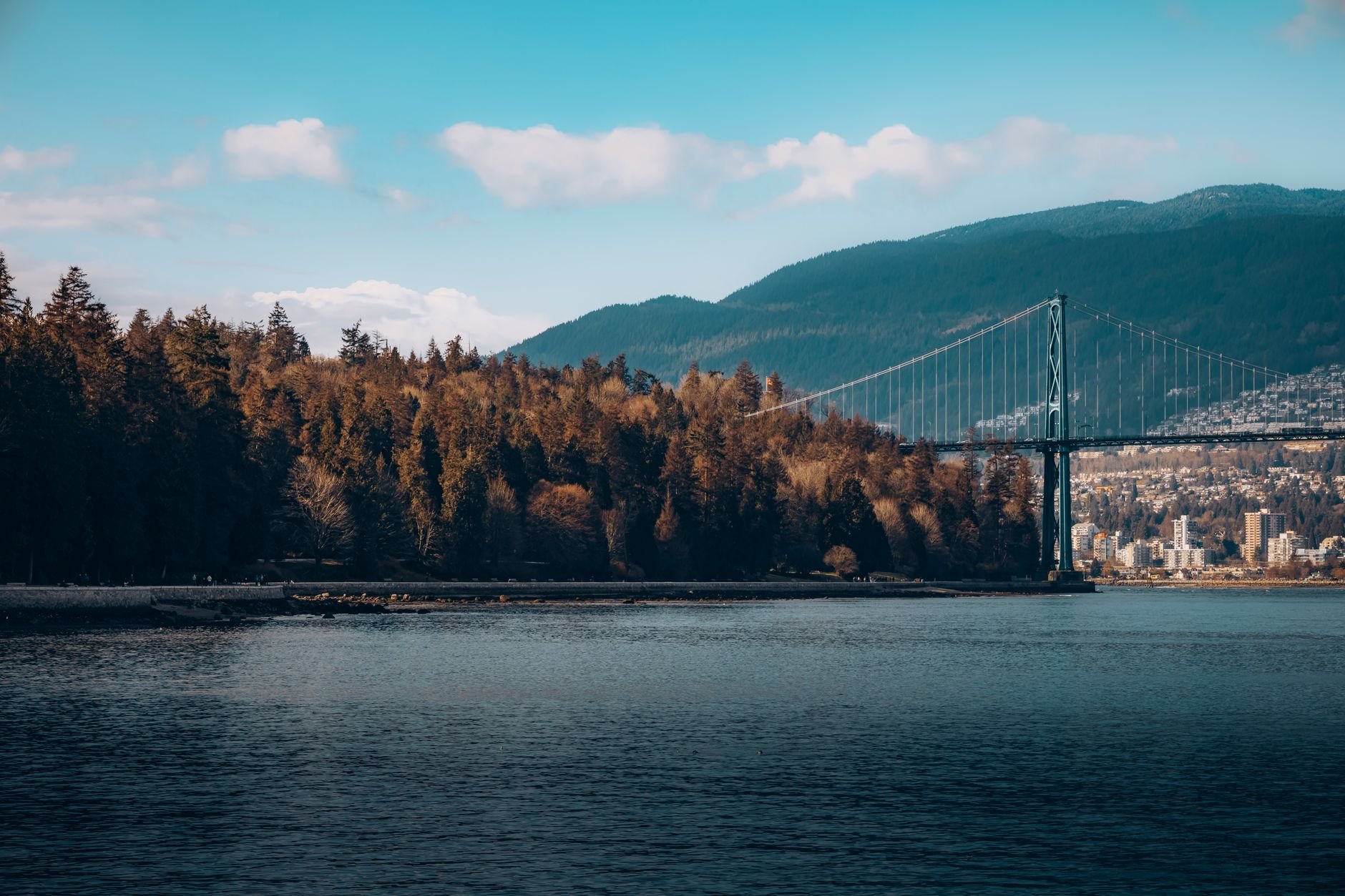
Facts → plan conversion
- Skim facts, then pick 1 neighbourhood + 1 outdoor.
- Don't turn trivia into a 12-stop list.
- Use facts to set expectations (rain, hills, distances).
Published 2026-07-13 · FanVancouver Travel Desk
Vancouver looks like a postcard — mountains, glass towers, sushi on every block — but the city behind the filter is weirder, rainier and more expensive than most visitors expect. Ten facts that explain why locals love it and struggle with it simultaneously.
1. Livability rankings — top three, with caveats
Mercer and Economist Intelligence Unit regularly place Vancouver in the world's top five liveable cities — parks, healthcare, low crime (except property theft). The rankings underweight housing affordability; ask any barista about livability and you get a laugh.
2. Hongcouver — 40 %+ Asian heritage
Metro Vancouver is nearly 50 % visible minority — Richmond is majority Chinese-speaking; Punjabi on Surrey signs; Tagalog in East Van churches. “Hongcouver” is dated slang but points at real demographic depth: night markets, dim sum at midnight, Lunar New Year parades larger than many Asian cities abroad.
3. Housing — pricier than Toronto for detached homes
Benchmark detached home prices crossed C$2 million in core municipalities (2025–2026 CMHC data). Condos C$700k–900k for a two-bedroom downtown. Visitors feel it in hotel rates (top-three Canada) and C$8 drip coffee — budget guide.
4. California roll — invented here, not Japan
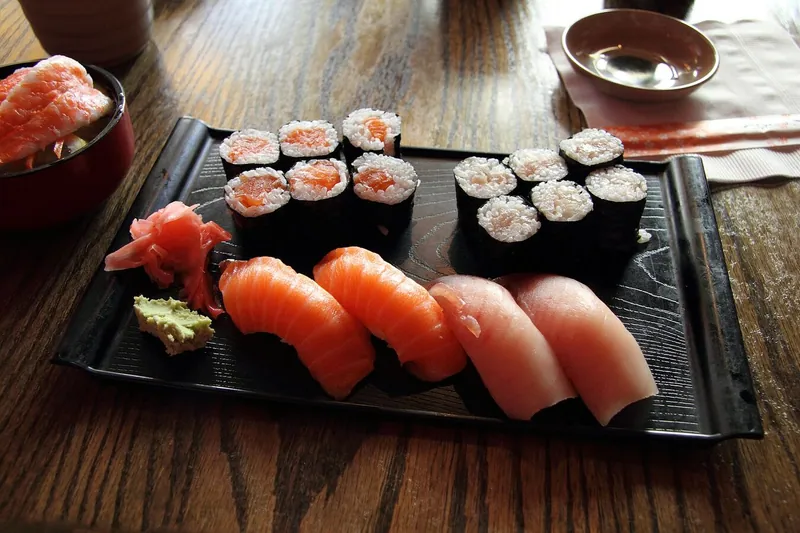
Hidekazu Tojo created the inside-out roll in the 1970s to hide seaweed from wary Canadian diners — Tojo's restaurant still operates on W Broadway. Vancouver has 600+ Japanese restaurants because of fish, immigration and invention stacked together.
5. Rain — not most in Canada, but relentless
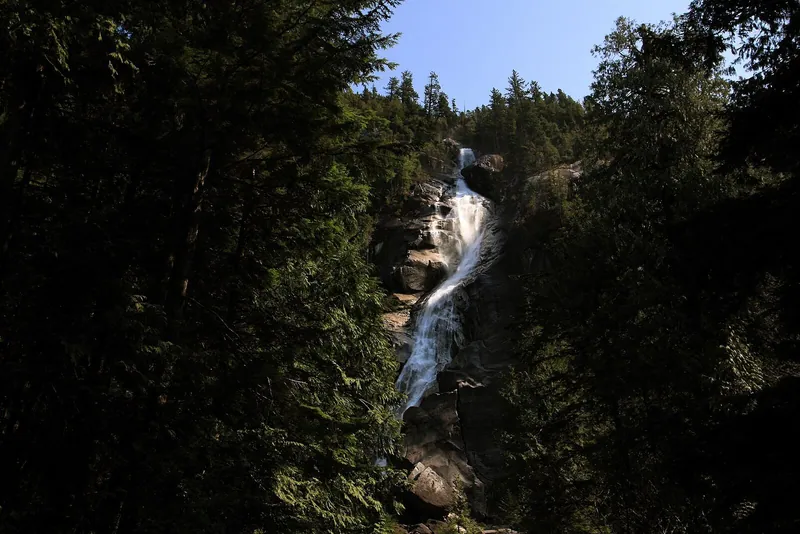
~1,200 mm annually, mostly November–March drizzle rather than monsoons. June–September is genuinely dry; locals do not carry umbrellas in July. February is the soul-crusher — book indoor days (UBC gardens, museums).
6. Stanley Park — bigger than Central Park
405 hectares (1,000 acres) vs New York's Central Park 341 hectares — and Stanley is mostly old-growth forest, not lawn. Seawall loop 9 km; free forever.
7. Greenest City 2020 — ambitious, incomplete
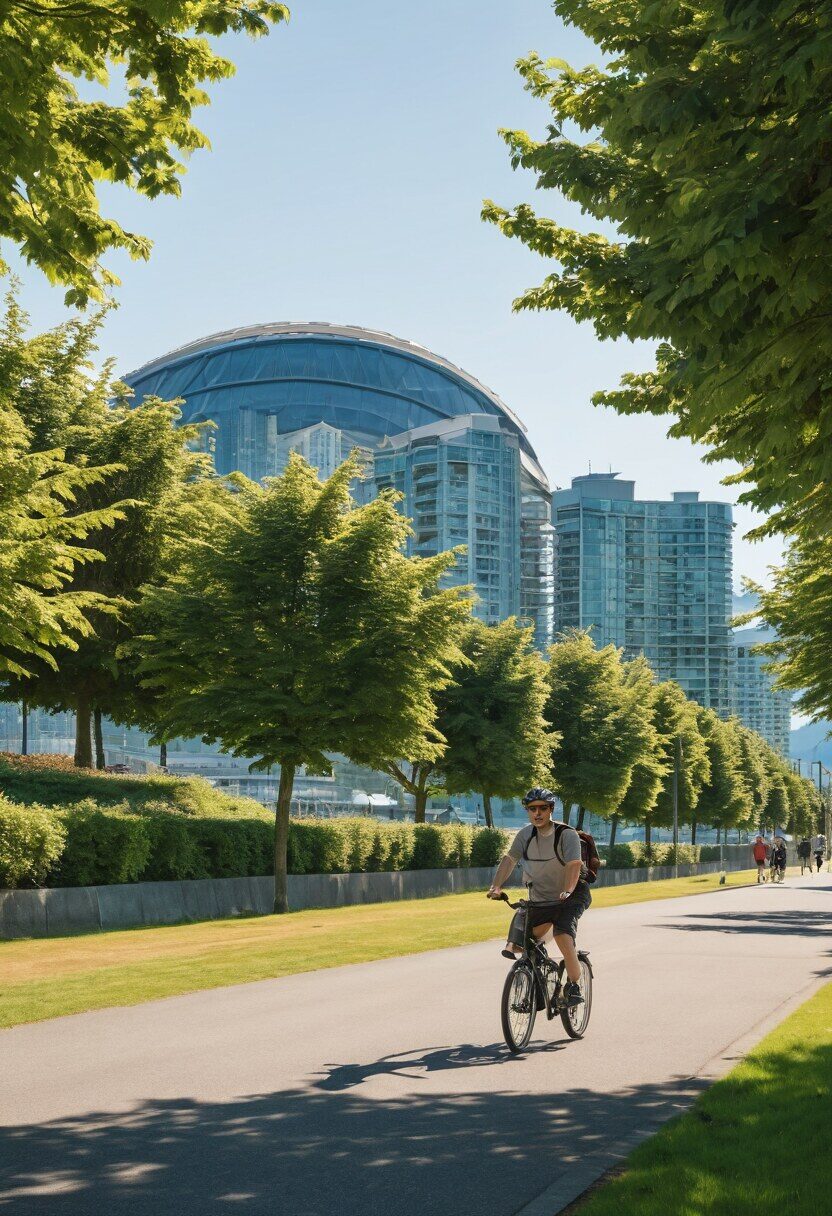
Gregor Robertson's Greenest City Action Plan (2011–2020) pushed bike lanes, composting, green buildings. Results mixed — cycling mode-share rose, emissions flat due to population growth. You still see separated bike lanes on bridges and zero-waste cafés — bike transit tips.
8. Hollywood North — third-largest film production in NA
C$3+ billion annual spend when busy — Deadpool, Supernatural, Hallmark Christmas movies. Gastown steam clock and North Shore forests are backlots. Spot yellow location signs on street corners.
9. Port of Vancouver — largest in Canada
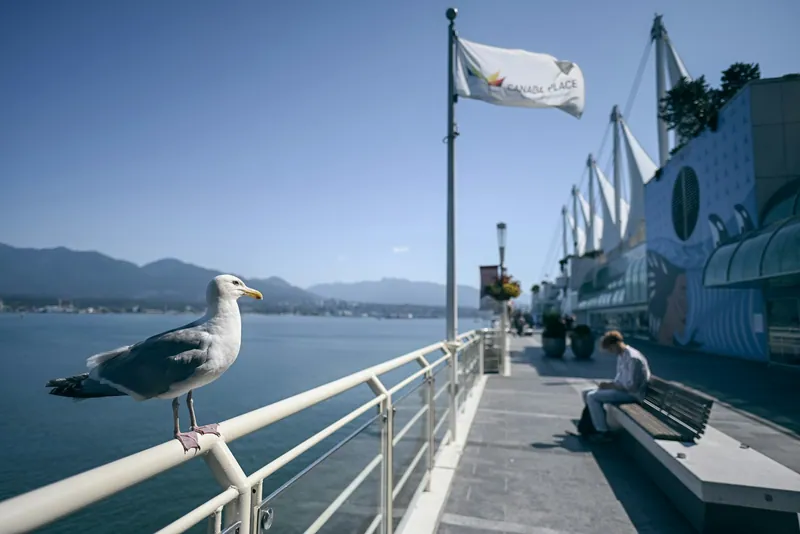
Moves 140+ million tonnes annually — coal, grain, containers. Cruise ships at Canada Place share water with bulk carriers. The working harbour explains industrial views from Stanley Park and why the city is wealthy but not pretty from every angle.
10. Youngest major city population
Median age ~39 metro-wide but downtown skews 20s–30s — students, tech transplants, film crews, ski bums who never left. Nightlife, rental pressure and craft beer culture all scale to youth — Yeast Van crawl.
When to visit: month-by-month calendar.
← Explore BC hub — all guides · Vancouver city guide
📬 Vancouver This Weekend
One short email every Friday: the weekend's best events, free things to do, and one local tip. No spam, unsubscribe anytime.