FanVancouver · Local guide
Is the Vancouver Aquarium worth the price in 2026? A local's honest review for tourists: pros, cons, real prices, alternatives.
The Vancouver Aquarium sits inside Stanley Park and has changed considerably since it stopped keeping whales and dolphins — a lot of the reviews people read are older than that change. For tourists planning their precious Vancouver itinerary, the question isn't just "Is it good?" but "Is it worth my time and money when there's so much else to see and do?"
FanVancouver.com aims to give you the unvarnished truth, so let's dive deep into whether the Vancouver Aquarium, located in Stanley Park, deserves a spot on your must-do list in 2026. This isn't a brochure; it's an honest local's take.
In Vancouver the price depends on the neighbourhood far more than on the star rating. Compare live hotel and rental rates side by side before you lock your dates.
First, a quick overview. The Vancouver Aquarium is Canada's largest aquarium and a major conservation and research facility. It’s been around since 1956 and has undergone significant transformations, particularly regarding its animal welfare policies. After years of public debate, the Aquarium ceased displaying cetaceans (dolphins, whales, porpoises) in 2018, pivoting entirely to a conservation-focused, non-cetacean collection. This is a crucial point for many visitors.
You'll find a diverse array of marine life from around the world, with a strong emphasis on Pacific Northwest species. Think jellyfish, sea otters, sea lions, penguins, various fish, reptiles, amphibians, and a rainforest exhibit. The focus is on education, conservation, and immersive experiences, not large-scale marine mammal shows.
Timed-entry tickets sell out on rainy weekends. Booking ahead is the difference between walking in and standing outside in the drizzle.
Affiliate links: we may earn a commission at no extra cost to you. Prices and availability are always confirmed on the partner site.
Let's not sugarcoat it: the Vancouver Aquarium is not cheap. Like many major attractions in a city with a high cost of living, you'll feel it in your wallet. These are approximate 2026 prices, which can fluctuate, especially with online discounts versus gate prices. Always check their official website closer to your visit for the most current rates.
US Visitors Note: Remember to factor in the exchange rate. A CAD $50 ticket might feel like ~US $36-$38 depending on the day's rate. While it softens the blow slightly, it's still a significant outlay for a family. Consider purchasing tickets online in advance; often, there's a slight discount compared to buying at the gate, and it saves you time queuing.
If you're genuinely interested in marine conservation, scientific research, and understanding aquatic ecosystems, the Aquarium excels here. Their exhibits are well-curated, with clear signage and knowledgeable staff (often volunteers) who are passionate about their work. The new "Coastal Ocean" exhibit, for example, beautifully showcases BC's diverse underwater environments. They're doing vital work in species rescue and rehabilitation, and your ticket price contributes directly to that.
This is where the Aquarium shines for a specific demographic. Toddlers and young children (ages 3-10) are often captivated. The hands-on displays, the busy colours of the fish, the playful sea otters, and the immersive rainforest make for a stimulating and engaging experience. The "Discovery Gallery" with its touch pools and interactive elements is a huge hit. It's also largely indoors, making it a fantastic rainy-day activity in Vancouver's often-damp climate.
You can't beat the setting. The Aquarium is in the best-known Stanley Park, making it easy to combine with other activities. You could spend the morning at the Aquarium, then rent bikes and cycle the Seawall, explore the forest trails, or visit the Totem Poles. This integration into a larger park experience adds significant value, especially if you're planning a full day in the area.
This is the big one. For the price, some visitors, especially those without young children or who have visited larger, more modern aquariums elsewhere (like Monterey Bay or Georgia Aquarium), might find the "wow" factor lacking. Without the large cetacean shows, the main attractions are the sea otters, sea lions, and penguins. While pleasant, they might not justify the ~CAD $50+ adult ticket for everyone, especially if you're on a budget.
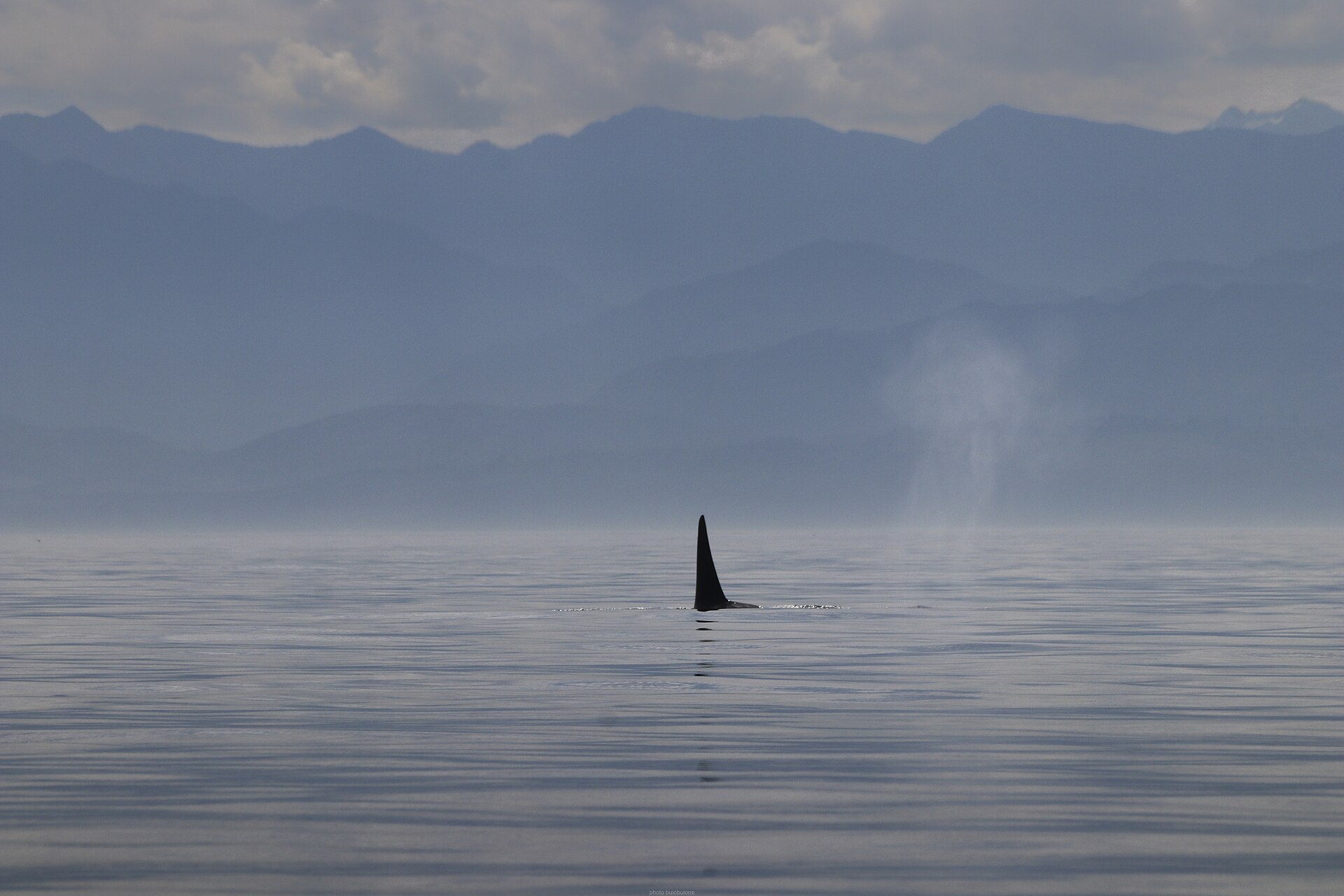
As mentioned, the Aquarium no longer houses whales or dolphins. For some, this is a positive, aligning with ethical concerns. For others, particularly those expecting to see orcas or belugas (which were once a major draw), this can be a significant disappointment, diminishing the perceived value. Manage your expectations here.
Given its popularity and the fact that it's a prime indoor activity, the Aquarium can become incredibly crowded, particularly on weekends, holidays, and — you guessed it — rainy days. Navigating the exhibits with strollers can be a challenge, and viewing popular displays like the sea otters might require patience. This can detract from the overall enjoyment, making it feel less like an immersive experience and more like a shuffle.
Vancouver is surrounded by natural beauty, and there are plenty of ways to experience marine life and impressive natural environments without breaking the bank.
A classic for a reason. Rent a bike (from ~CAD $25-$40 for a few hours) or walk the Seawall. You'll see harbour seals, various seabirds, and if you're lucky, maybe even porpoises or small whales in the distance. Exploring the tide pools at Third Beach or Second Beach can also reveal crabs, anemones, and other small creatures. It’s fresh air, great views, and completely free.
While not an "aquarium," a visit to Granville Island offers fantastic people-watching and opportunities to see active harbour seals around the docks. Grab a coffee or a pastry (~CAD $5-$15) and watch the boats and wildlife. You can also take a False Creek Ferry or Aquabus (fares ~CAD $3-$6) for a unique perspective of the city and its waterways, often spotting seals along the way.
Just a short drive or bus ride (TransLink fare ~CAD $3.50 for 90 minutes) across the Lions Gate Bridge into West Vancouver, Lighthouse Park offers spectacular views of the Pacific Ocean, rugged coastline, and old-growth forest. It's an excellent spot for seal and bird watching, and the trails are invigorating. Pack a picnic and make a day of it.
Another gem in West Vancouver, Whytecliff Park is a protected marine park and a popular spot for scuba diving. Even from shore, you can often spot seals, sea lions, and various seabirds. The views of Howe Sound are striking. It's a bit further out, but easily accessible by car or a combination of bus and a longer walk.
While not directly marine-focused, this massive forest park adjacent to the University of British Columbia offers miles of walking and hiking trails, leading to Wreck Beach. It’s a completely different natural experience, showcasing BC’s temperate rainforest. You'll still get ocean views and potentially see eagles or other coastal birds.
With children in tow, see our guide to the things to do in Vancouver with kids. It compares the Aquarium with Science World, Grouse and the free days out, with 2026 prices and the ages each suits best.
The Vancouver Aquarium is located deep inside Stanley Park, at 845 Avison Way.
The Vancouver Aquarium is a good aquarium, doing important conservation work. It’s clean, well-maintained, and educational. For families with young children, it can be a highlight, offering hours of engaging entertainment, especially when the weather isn't cooperating.
However, for solo travelers, couples, or those without a specific interest in the educational aspect, the high price point might make you pause. Vancouver offers so many incredible, often free, natural experiences that compete for your time and money. Before you commit, weigh your priorities: is it an indoor, educational animal experience you crave, or are you looking to spend real time in the vast natural beauty that surrounds this city?
If you decide to go, go with realistic expectations, buy your tickets online, and try to visit during off-peak hours if possible. If you decide against it, rest assured there are countless other ways to enjoy Vancouver's marine environment and great landscapes without feeling like you missed out.
No, as of 2018, the Vancouver Aquarium no longer displays cetaceans (whales, dolphins, porpoises). Their focus is now exclusively on non-cetacean marine life and conservation.
The aquarium prices by date: adult tickets run from CAD $39.95 on quiet weekdays to about CAD $55 at peak times, children 3-12 from CAD $24.95, under-3s free. Pick your date on vanaqua.org to see the exact rates and online discounts.
For free or cheaper marine life experiences, consider walking or biking the Stanley Park Seawall, visiting Granville Island, exploring Lighthouse Park or Whytecliff Park in West Vancouver, where you can often spot seals, sea lions, and diverse birdlife.
More to explore in Vancouver
 English
 Español
 Français
 Deutsch
 Українська