FanVancouver · Local guide
When does ski season start in Vancouver? 2026-27 opening and closing dates for Grouse, Cypress, Seymour and Whistler, plus the El Niño outlook.
Updated 4 October 2026 · Alex
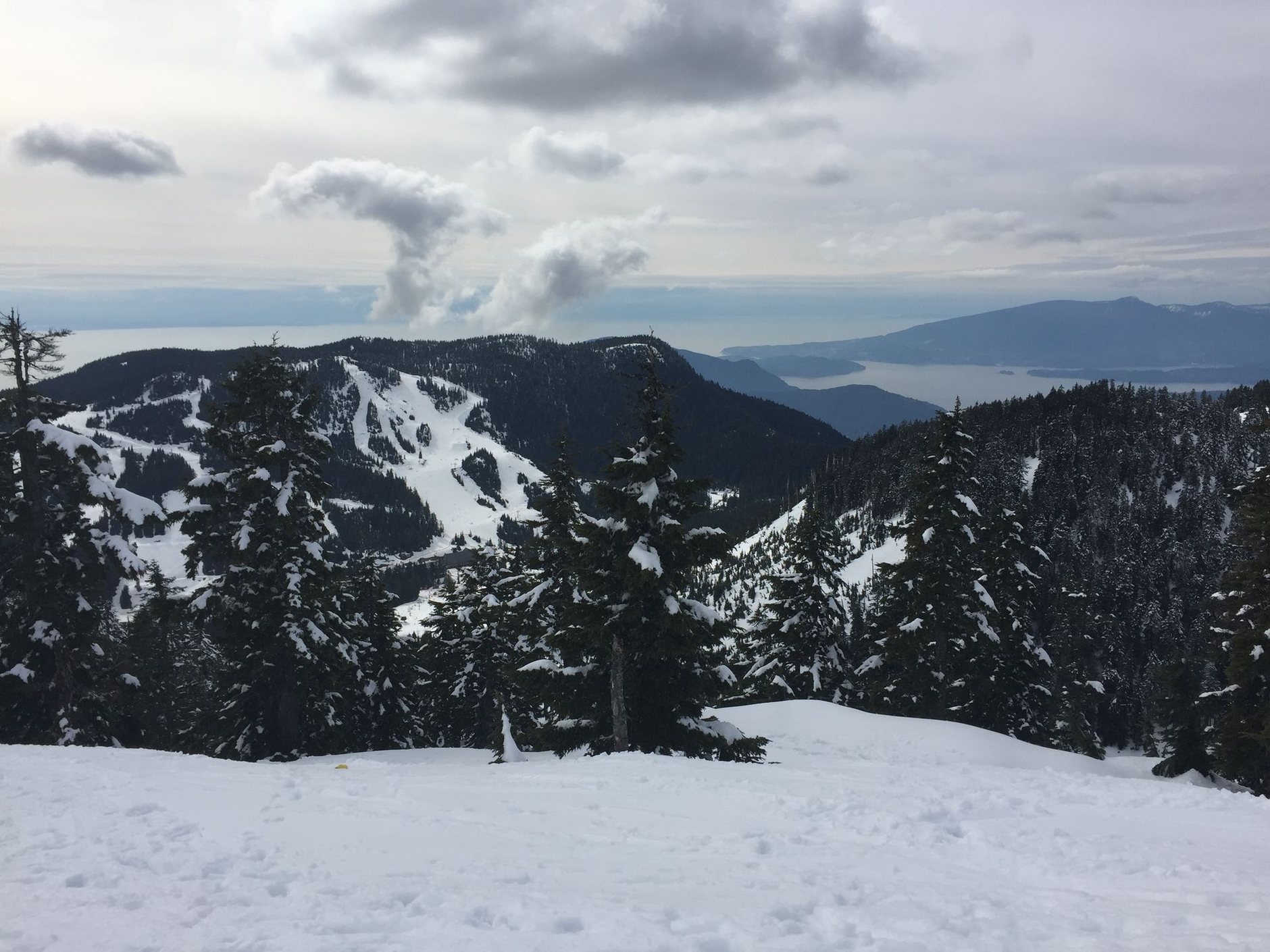
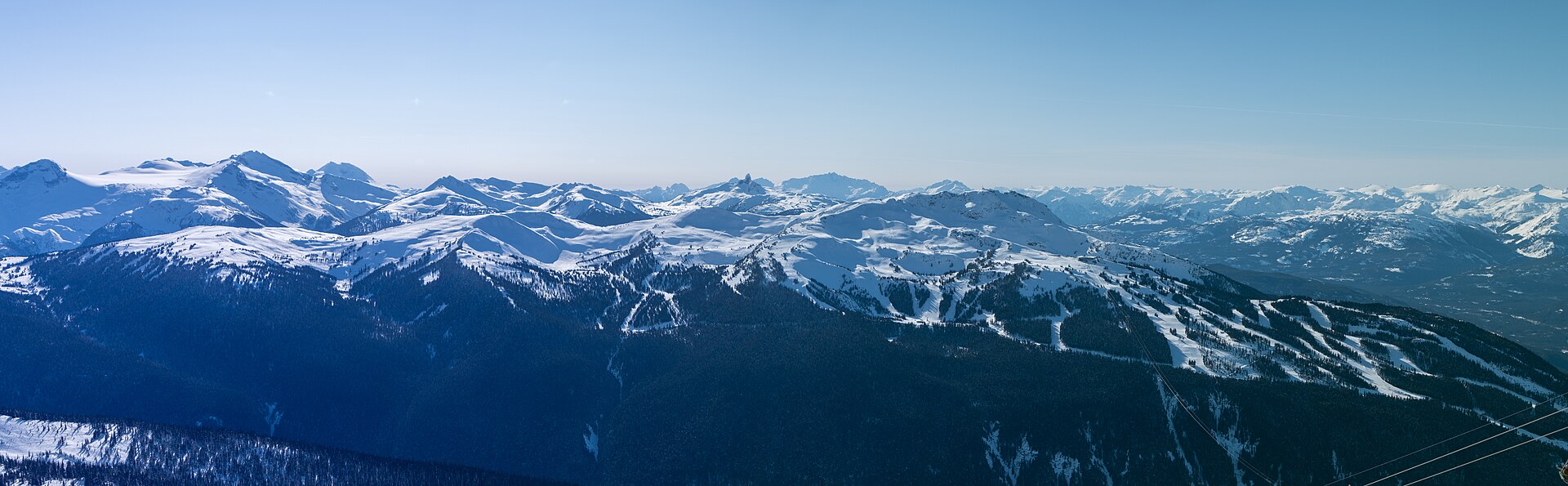
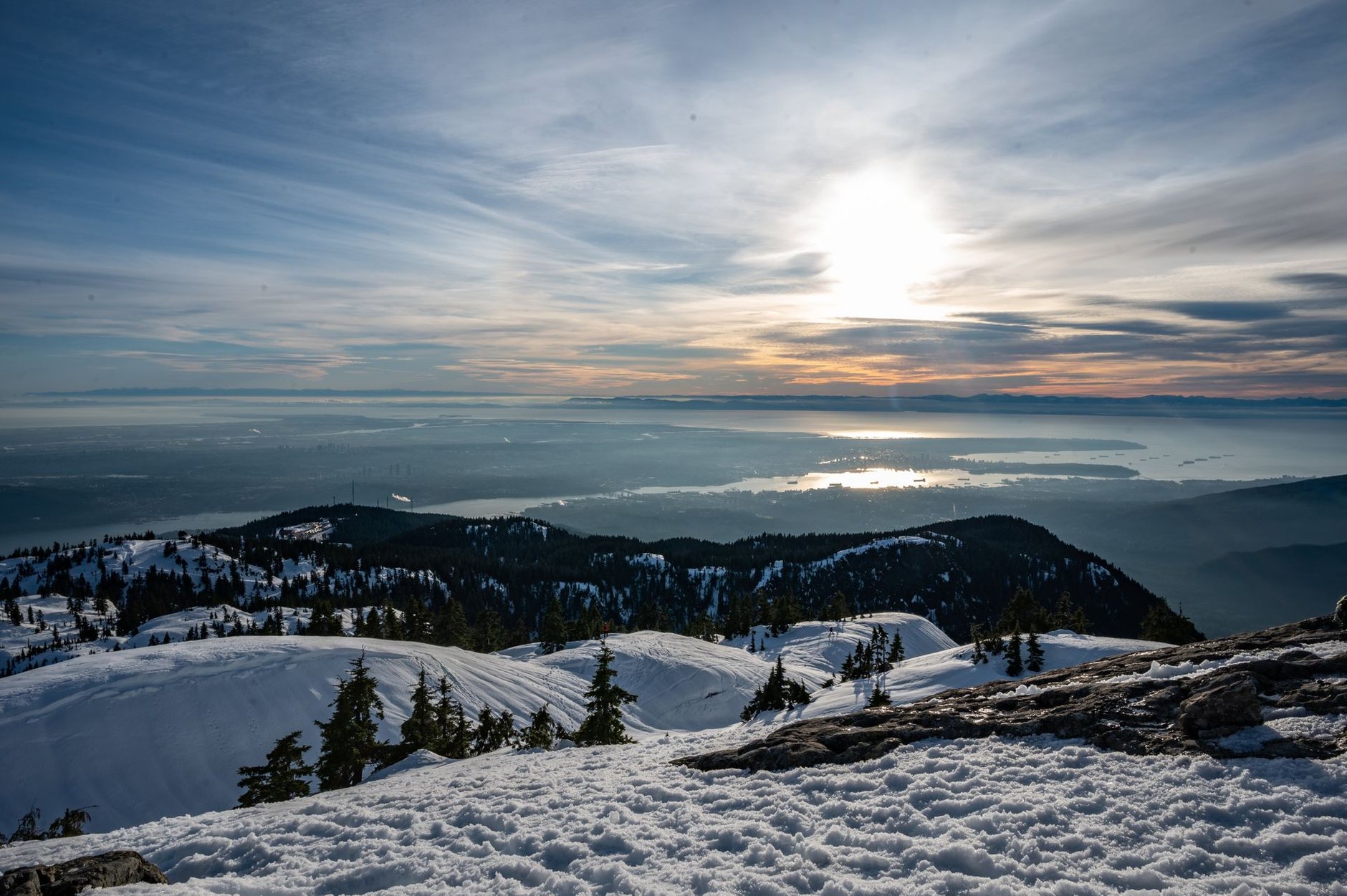
Vancouver's ski season runs from late November or December to mid-April on the three city hills, Cypress, Grouse and Mount Seymour, and from late November into May at Whistler Blackcomb. For 2026-27, Whistler targets 20 November, Cypress is projected to open around 28 November, Mount Seymour plans 11 December to 4 April, and Grouse is projected for about 18 December; it opened on 19 December last winter. Every opening depends on snow, and this winter brings a strong El Niño, which on the coast usually means a milder, wetter winter. If you are booking a ski trip from far away, aim for mid-January to early March and keep Whistler as the backup.
| City hills | Cypress, Grouse and Seymour: late November or December to mid-April, 25–40 minutes from downtown |
| Whistler Blackcomb | Target opening 20 November 2026; Blackcomb usually skis into May; about two hours by car |
| Most reliable snow | Mid-January to early March |
| Busiest days | 26 December to 3 January, Family Day weekend (Monday 15 February 2027) and spring break |
| Winter tyres | Required 1 October to 31 March on the Sea-to-Sky Highway, Cypress Bowl Road and Mt Seymour Road |
| This winter | Strong El Niño: the odds favour a mild winter and less snow low down, so book flexible tickets |
Mount Seymour and Whistler Blackcomb have announced their dates; the others are OnTheSnow projections, and the city hills open the day they have enough snow, not on a set date. Last season's planned closing dates show how long a normal season lasts.
| Resort | From downtown | Opens 2026-27 | Closes 2027 | Last season |
|---|---|---|---|---|
| Whistler Blackcomb | About 2 hours | 20 November (target) | 16 May (projected) | Whistler closed 19 April, Blackcomb 18 May 2026 |
| Cypress Mountain | About 30 minutes | About 28 November (projected) | About 11 April (projected) | Planned close 12 April 2026 |
| Mount Seymour | About 35 minutes | 11 December (planned) | 4 April (planned) | Planned close 12 April 2026 |
| Grouse Mountain | 40–50 minutes by transit | About 18 December (projected) | About 18 April (projected) | Opened 19 December 2025, planned close 12 April 2026 |
Prices, terrain, night skiing and parking for the three city hills are compared side by side in Grouse vs Seymour vs Cypress. Grouse tickets, the gondola and lessons are covered in Grouse Mountain skiing 2026-27.
November is Vancouver's wettest month, and snow at city level is rare. Whistler Blackcomb has opened in the third week of November for several seasons running. Among the city hills, Cypress tends to open first. A November ski day is a bonus, not a plan: book it only once the resort has announced the date.
Most seasons, all three city hills are running by Christmas. The week from 26 December to New Year is the busiest of the winter: Grouse's Weekday pass is blacked out from 19 December to 3 January, and Cypress's Silver pass from 26 December to 3 January. Days are at their shortest, with the sun setting a little after 4pm, which is when night skiing on the North Shore comes into its own.
By mid-January most seasons have enough base to open most of the terrain, and weekday crowds thin out after the holidays. Rain at the base and snow at the top on the same day is common on the North Shore, so pack a waterproof shell.
February brings the deepest base of the season and longer afternoons. Family Day weekend is one of the busiest of the year, and Cypress's Silver pass is blacked out that day. A city break with skiing is easy to pair with Lunar New Year in Vancouver the weekend before.
Daylight saving time gives evening light on the slopes, and the snow turns soft by the afternoon. School spring break fills the hills on weekdays. Easter weekend is usually the last big weekend on the North Shore.
The city hills close one after another in the first half of April; last season all three planned to finish on 12 April. Whistler Mountain closed on 19 April 2026, while Blackcomb kept going.
Blackcomb Mountain skied until 18 May last season: spring snow in the morning, patios in the afternoon. Nothing else near Vancouver is open by then.
This is the winter's big unknown. NOAA's Climate Prediction Center gives a greater than 90 per cent chance of a very strong El Niño this fall and winter, a 75 per cent chance that October to December is stronger than any El Niño since 1950, and a 97 per cent chance that it lasts into early spring 2027. Bill Merryfield, a research scientist at Environment and Climate Change Canada, expects British Columbia to have an unusually mild winter, possibly an exceptionally mild one, with temperatures several degrees above normal.
History points the same way. The average winter temperature at Vancouver International Airport is 4.2°C; in the very strong El Niño winters of 1982-83, 1997-98 and 2015-16 it rose to between 5.5°C and 5.7°C. On the coast, a couple of degrees decides whether a storm falls as rain or as snow, so the North Shore hills, which are low coastal mountains, feel a mild winter first. Whistler's alpine is far higher and colder.
El Niño shifts the odds; it does not cancel winter. A single cold storm can still bring deep snow in a mild year, and the deepest season ever measured at Mt Baker, across the border, was 1998-99, the winter after the 1997-98 El Niño. What it means for planning:
Season-pass prices on the North Shore and at Whistler go up in early to mid-October, which matters if you will ski more than a handful of days.
| Pass | Deadline | What to know |
|---|---|---|
| Epic Pass (Whistler Blackcomb) | Prices rise after 7 October 2026 | Also valid at other Vail Resorts mountains |
| Cypress season passes | Prices rise after 13 October 2026 | The Silver pass has blackout dates over the holidays and on Family Day; a day ticket is $119 plus tax |
| Grouse Early Bird | Price rises on 14 October 2026 | Unlimited $599 and Weekday $399 for adults; the Weekday pass is blacked out 19 December to 3 January |
| Mount Seymour | See the resort | The cheapest passes of the three; details in the comparison |
Visiting for a few days? Grouse takes $10 off a lift ticket if you show a transit fare.
More than 8,000 acres on two mountains and the longest season in the region. For more than a day of skiing, this is the one. See Vancouver to Whistler for the drive and the buses, and one day in Whistler for a day-trip plan.
A small family hill with a tube park. Its season is shorter than the North Shore's, so check that it is open before you drive.
A family resort in a provincial park, with tubing on weekends and holidays from 11am to 3:30pm. Worth an overnight rather than a day trip.
It holds the record for snowfall in a single season: 1,140 inches (2,896 cm) in 1998-99. The drive depends on the border; check border wait times before you leave.
In Vancouver the price depends on the neighbourhood far more than on the star rating. Compare live hotel and rental rates side by side before you lock your dates.
Without a car, Grouse is the easy one: the SeaBus from Waterfront Station to Lonsdale Quay, then bus 236 to the base, about 40 to 50 minutes in all. Mount Seymour runs a shuttle bus from Rupert SkyTrain Station and Parkgate, free for most season-pass holders, and Cypress Coach Lines runs a paid ski shuttle with pickups in Vancouver, at Park Royal and at Lonsdale Quay. For Whistler, see Vancouver to Whistler.
With a car, winter tyres (M+S or mountain-snowflake) are required from 1 October to 31 March on Cypress Bowl Road, Mt Seymour Road and the Sea-to-Sky Highway, and the rule applies to rentals too, so ask for them when you book. Mt Seymour Road is closed from 10pm to 7am between November and April.
After dark, the city hills are at their best. Cypress runs night sessions daily from 5 to 10pm, Grouse lights 14 runs and Seymour 12 trails plus its terrain parks. You can sightsee downtown and still be on a lit run at 6pm.
Not a skier? Snowshoeing near Vancouver uses the same mountains, and Vancouver in the snow covers the rare days snow reaches the city. Everything else for the season is in the winter guide.
Sources: Vail Resorts (Whistler Blackcomb opening date), OnTheSnow (projected 2026/27 openings and closings), mtseymour.ca (operating dates, road hours, shuttle), grousemountain.com (opening day 2025, early-bird passes, transit discount, lit runs), cypressmountain.com (night skiing, 2026/27 tickets and passes), SnowSeekers (2025-26 closing dates), NOAA Climate Prediction Center (El Niño outlook), Environment and Climate Change Canada via Daily Hive (B.C. winter outlook, YVR temperatures), DriveBC (winter tyre routes). Checked 4 October 2026; prices in Canadian dollars.
Whistler Blackcomb targets 20 November 2026. Among the city hills, Cypress is projected to open around 28 November, Mount Seymour plans to open on 11 December and Grouse is projected for about 18 December; it opened on 19 December last season. Every date depends on snow.
The city hills close in the first half of April: Seymour plans 4 April 2027, and Cypress and Grouse are projected to close around 11 and 18 April. Blackcomb, at Whistler, usually skis into May; OnTheSnow projects 16 May 2027.
February, followed by late January and early March: the base is at its deepest and the holiday crowds are gone. Avoid Family Day weekend (15 February 2027) and the week after Christmas if you dislike lift lines.
Probably. NOAA gives a greater than 90 per cent chance of a very strong El Niño this winter, and Environment and Climate Change Canada expects an unusually mild winter in B.C. In past strong El Niños, more of the coast's precipitation fell as rain, which hurts the low North Shore hills more than Whistler's alpine. Buy flexible tickets and check the snow report.
Sometimes. Whistler Blackcomb targets 20 November, and Cypress is projected to open around 28 November. Grouse and Seymour normally open in December.
In early April, yes: the city hills close one by one between about 4 and 18 April. In May, only Blackcomb is open; it skied until 18 May in 2026.
Yes. From 1 October to 31 March, winter tyres (M+S or mountain-snowflake) are required on the Sea-to-Sky Highway, Cypress Bowl Road and Mt Seymour Road, including on rental cars.
All three city hills. Cypress runs night sessions daily from 5 to 10pm, Grouse lights 14 runs, and Seymour lights 12 trails plus its terrain parks.
For an evening or a single day, the North Shore: you can be on a lift within an hour of downtown. For two days or more, or for a trip booked far ahead, Whistler Blackcomb has more than 8,000 acres and the longest season.
Yes. Grouse is 40 to 50 minutes by SeaBus and bus 236, Mount Seymour runs a shuttle from Rupert SkyTrain Station and Parkgate (free for most season-pass holders), and Cypress Coach Lines runs a paid ski shuttle. Grouse takes $10 off a lift ticket if you show a transit fare.
More to explore in Vancouver
 English
 Español
 Français
 Deutsch
 Українська