When It Snows in Vancouver: What Closes, Transit & Best Views
Vancouver is famous for its mild, wet winters, but every few years, a significant snowfall blankets the city in white. For visitors accustomed to snowier climates, this might seem like a photogenic bonus. For Vancouverites, it often means a sudden, city-wide shift in operations. This guide provides essential information for navigating Vancouver when the snow falls, covering closures, transit challenges, and where to experience the city's rare winter beauty.
The key takeaway for any visitor during a Vancouver snow event is adaptability. Unlike cities that regularly prepare for heavy snow, Vancouver's infrastructure and residents are less equipped for it. This can lead to unexpected closures, significant transit delays, and altered plans. Patience and a proactive approach to checking conditions are your best allies.
Understanding Vancouver's Snow Response: What Closes (and Why)
When snow hits Vancouver, the city's response is often characterized by a quick shift to essential services and a cautious approach to anything that could become a safety hazard. This isn't due to a lack of effort, but rather the infrequency of heavy snow and the city's unique geography.
- Schools and Universities: Public schools (K-12) across Vancouver and the Lower Mainland are almost always among the first to announce closures, often by 6:00 AM on the day of the snowfall. Post-secondary institutions like UBC, SFU, and BCIT also frequently close or move to online learning, especially during significant accumulations. Always check their official websites before planning a campus visit.
- Parks and Recreation Facilities: Many city-run community centres, pools, and ice rinks may close or operate on reduced hours. The primary concern is often staff availability and safe access. Stanley Park Seawall, while beautiful in the snow, can become extremely icy and is often officially closed in sections for safety reasons. Trails in more rugged areas like Pacific Spirit Regional Park or the North Shore mountains (outside of ski resorts) can become treacherous and are best avoided.
- Businesses and Attractions: This is highly variable. Many smaller, independent businesses will close if staff cannot safely commute. Larger attractions, especially those with outdoor components, might operate on reduced hours or close entirely. For example, the Vancouver Aquarium might remain open, but the Vancouver Art Gallery might close if staff can't get in. Always call ahead or check official websites/social media.
- Government Services: City of Vancouver offices, libraries, and other public services may close or operate with limited staff. If you have an appointment, confirm in advance.
Local Reality Check: Vancouver's snow response is often more about prevention than plowing. The city prioritizes major arterial routes, emergency routes, and bus routes. Residential streets often remain unplowed for days, leading to very challenging driving conditions. Do not assume all roads will be clear, even main ones, especially early in a snowfall event.
Navigating Transit: SkyTrain, SeaBus & Buses in the Snow
TransLink, Vancouver's public transit authority, makes significant efforts to keep the system running, but snow presents unique challenges. Expect delays, cancellations, and altered routes.
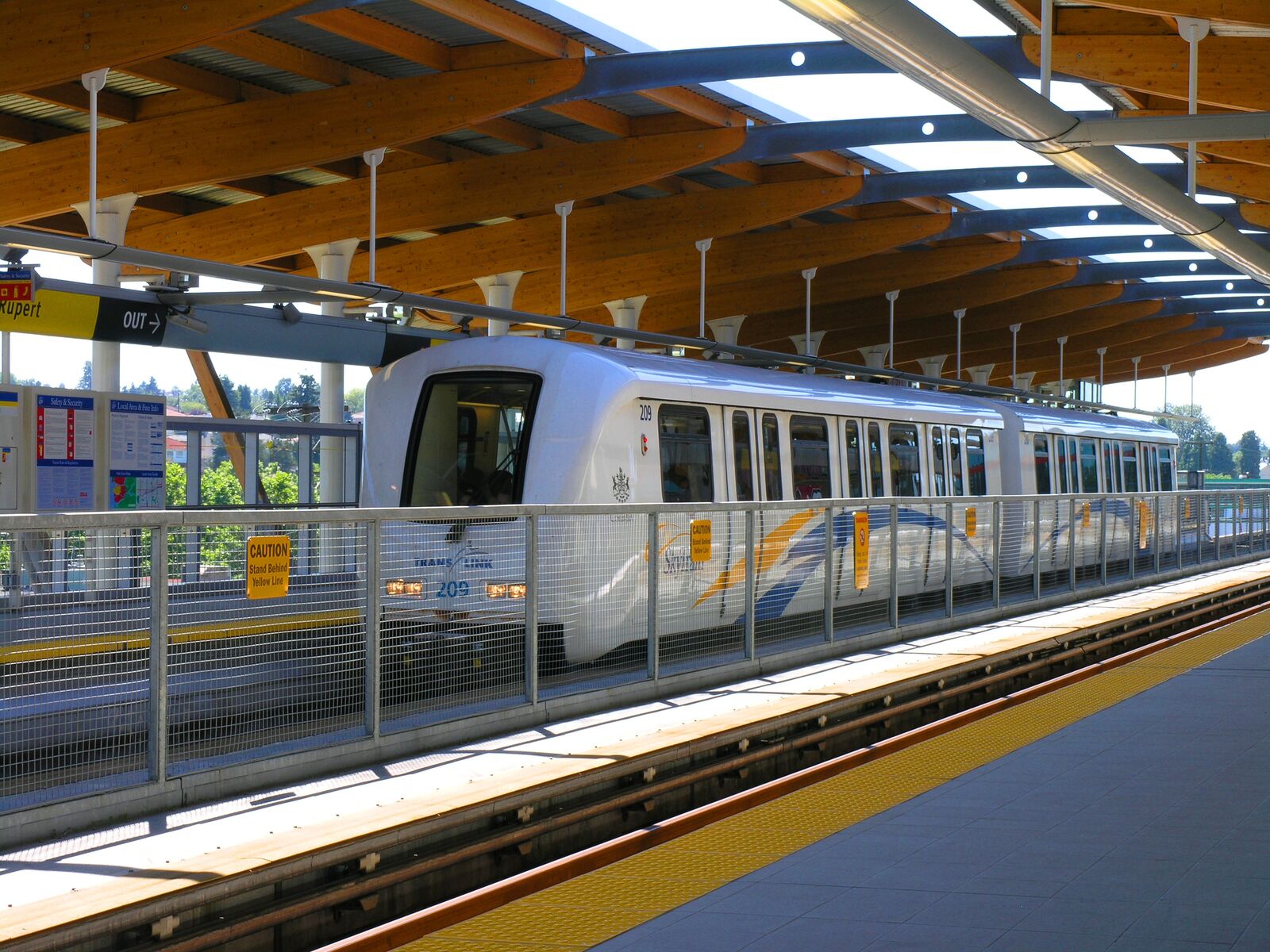
SkyTrain (Expo, Millennium, Canada Lines)
- Generally Reliable: The SkyTrain is often the most reliable mode of transport during a snowfall, especially the Expo and Millennium Lines, which are mostly elevated. However, expect slower speeds and longer wait times.
- Canada Line Vulnerability: The Canada Line, with its at-grade sections and underground portions, can be more susceptible to delays, particularly if snow affects switches or power.
- Platform Conditions: Station platforms can become icy and crowded. Exercise extreme caution.
- Getting There: Fares are ~CAD $3.50-$6.70 depending on zones. Tap-to-pay with credit/debit cards or mobile wallet is available. Purchase a Compass Card for frequent use (~$6 deposit, refundable).
SeaBus
- High Reliability: The SeaBus, connecting Waterfront Station (Vancouver) to Lonsdale Quay (North Vancouver), is generally unaffected by snow. It's a great option for crossing Burrard Inlet if you're staying on the North Shore.
- Potential for Crowds: If bus service to Lonsdale Quay is disrupted, the SeaBus can become exceptionally crowded.
- Getting There: Integrated with TransLink fares.
Buses
- Most Affected: Buses are the most vulnerable part of the TransLink system during snow. Routes are often detoured, shortened, or cancelled entirely. Hills are particularly problematic.
- Tire Chains: TransLink equips buses with tire chains when necessary, but this doesn't eliminate all issues.
- Check Before You Go: Always check TransLink's website, their official Twitter account, or use their Trip Planner app for real-time updates. Do not rely on scheduled times; assume delays.
Local Reality Check: While TransLink works hard, the system can be overwhelmed. A 30-minute commute can easily become 2 hours. If you absolutely must be somewhere, leave significantly earlier than you think you need to. Consider walking if your destination is within a reasonable distance and conditions permit.
Driving in Vancouver Snow: A Guide for the Uninitiated
If you're visiting from a region that regularly experiences heavy snow, you might be tempted to rent a car. We strongly advise against it unless absolutely necessary. Vancouver drivers are generally not accustomed to snow, and the city's hilly terrain combined with often-unplowed residential streets creates hazardous conditions.
- Tire Requirements: By law, vehicles on many mountain highways in BC (including routes to Whistler or the Coquihalla) require winter tires (M+S or 3-Peak Mountain Snowflake) or chains from October 1 to April 30. While not legally mandated within Vancouver city limits, they are highly recommended. Rental cars often come with all-season tires, which perform poorly in snow.
- Parking: Street parking can become a nightmare, with cars getting stuck or blocking access. Underground parking is preferable but can still have icy ramps.
- ICBC and Insurance: Accidents increase significantly during snow. Ensure your rental car insurance covers snow-related incidents.
- Ride-Sharing/Taxis: Uber and Lyft operate in Vancouver. During snow, surge pricing can be extreme, and wait times can be very long as drivers face the same challenges. Taxis are also an option but can be hard to hail.
Local Reality Check: Many Vancouverites simply avoid driving during heavy snow. If you must drive, proceed with extreme caution, leave ample space between vehicles, and avoid sudden braking or accelerating. Assume other drivers may be inexperienced in snow conditions.
Best Views & Activities When Vancouver Snows
Despite the challenges, a snow-covered Vancouver is a beautiful sight. Here are some of the best places to experience it, with practical considerations.
1. Queen Elizabeth Park
- What to Expect: Elevated views of the city skyline, the North Shore mountains, and the snow-dusted Bloedel Conservatory. The park's gentle slopes are popular for tobogganing if enough snow accumulates.
- Getting There: Accessible via the Canada Line (Oakridge-41st Avenue Station, then a ~15-minute walk uphill). Buses also serve the area, but check TransLink updates. Driving is possible but parking lots can be icy.
- Cost: Free to enter the park. Bloedel Conservatory admission is CAD $9.50.
- Local Reality Check: The Conservatory is a tropical environment; stepping inside from the snow is a unique experience. However, the path to the conservatory can be slippery.
2. Granville Island
- What to Expect: A unique urban island experience, especially pleasant with a light dusting of snow. The Public Market remains open, offering warm food and drinks. Views of False Creek and the city are often striking.
- Getting There: Take the Canada Line to Olympic Village Station and walk across the bridge (~15-20 min), or take a bus (check TransLink). The False Creek Ferries (Aquabus/False Creek Ferries) may operate, but check their status as icy conditions can affect service. Driving can be challenging; parking is limited and paid (~$4-6/hour).
- Cost: Free to enter. Food and shopping costs vary.
- Local Reality Check: The cobblestone paths and wooden docks can become extremely slippery. Wear appropriate footwear.
3. Stanley Park & Prospect Point
- What to Expect: Best-known views of the Lions Gate Bridge, the city, and the snow-capped North Shore mountains. Prospect Point offers one of the most dramatic vantage points.
- Getting There: Bus routes run along the periphery of Stanley Park, but internal roads may be closed. Walking or cycling on the Seawall is often discouraged or prohibited due to ice. Driving up to Prospect Point is possible, but the access road can be steep and icy; check road closures. Parking at Prospect Point is paid (~$3.75/hour).
- Cost: Free to enter the park.
- Local Reality Check: While beautiful, accessing many parts of Stanley Park, especially the Seawall, can be dangerous and not recommended during heavy snow or icy conditions. Prioritize safety.
4. Grouse Mountain
- What to Expect: A true winter wonderland. Grouse Mountain is a ski resort, so it's fully equipped for snow. Enjoy skiing, snowboarding, ice skating, snowshoeing, and panoramic views from the Peak Chalet.
- Getting There: Take the SeaBus from Waterfront Station to Lonsdale Quay, then the #236 bus directly to the base of Grouse Mountain. This is the most reliable method. Driving is possible, but the access road can be busy and requires winter tires/chains. Parking at the base is ~CAD $10-$15/day.
- Cost: Skyride admission (non-ski) is ~CAD $75-$85 for adults. Ski/snowboard lift tickets are significantly more (~$95-$120+).
- Local Reality Check: This is a proper mountain experience. Dress in warm, waterproof layers. It will be significantly colder and windier than downtown Vancouver.
Practical Tips for Visitors from Canada & the USA
- Footwear is Key: Invest in waterproof, insulated boots with good grip. Sneakers will not suffice.
- Layer Up: Dress in layers. Vancouver's snow can be wet, and temperatures hover around freezing, making it feel colder than it might appear. A waterproof outer layer is essential.
- Check Conditions Constantly: Before leaving your accommodation, check TransLink, City of Vancouver, and attraction websites/social media for the latest updates.
- Stay Hydrated & Fed: Delays are common. Carry snacks and water.
- Currency Exchange: All prices listed are in Canadian Dollars (CAD). The exchange rate for USD can fluctuate, but generally, your US dollar will go further. Most places accept credit cards; some smaller shops may prefer tap.
- Border Crossing (for US visitors): If driving from the US, ensure your vehicle meets BC's winter tire requirements if you plan to drive on highways outside Vancouver. The Peace Arch Border Crossing is the most common route; consider using the NEXUS program for faster crossings if you're a frequent traveler. Check border wait times before you leave.
- Embrace the Unexpected: A Vancouver snow day is a rare event. While it can be disruptive, it also offers a unique perspective on the city. Adjust your expectations and enjoy the novelty.
Conclusion
A snow day in Vancouver is an experience unlike any other. It can transform the city into a postcard-perfect winter scene, but it also brings unique challenges. By understanding how the city responds, planning your transit, and prioritizing safety, you can navigate the snow with confidence and even enjoy the rare beauty it brings. Be flexible, stay informed, and remember that even a little snow can make a big impact in this mild coastal city.
Prices on this page are estimates for planning and can change — check the operator, venue or booking site before you pay.
 English
 Español
 Français
 Deutsch
 Українська