FanVancouver · Local guide
Compass card fares after the July 1, 2026 increase: 1 zone $2.85, 2 zones $4.20, 3 zones $5.40. Monthly pass $117.20-$211.65, DayPass $12.55.
Bus strike averted: Unifor members ratified a new contract with Coast Mountain Bus Company, so buses and SeaBus run as normal. Details and official announcements.
In Vancouver the price depends on the neighbourhood far more than on the star rating. Compare live hotel and rental rates side by side before you lock your dates.
Metro Vancouver runs one transit system, TransLink: SkyTrain, SeaBus and buses share the same fare and the same Compass card. In 2026 an adult single fare is $2.85 within one zone and $4.20 across two, a DayPass is $12.55, and a journey that starts at YVR–Airport station adds a $6.50 AddFare. Two rules save visitors the most money: buses are always single-zone no matter how far you ride, and zones stop applying after 6:30 p.m. on weekdays and all weekend. This page covers what to buy, where the zone lines fall, and which trips are worth taking for the ride itself.
One table, every product TransLink sells. Prices are the same on SkyTrain, SeaBus and buses — there is no separate SkyTrain ticket.
| Fare | 1 zone | 2 zones | 3 zones | When it applies |
|---|---|---|---|---|
| Compass stored value — adult | $2.85 | $4.20 | $5.40 | The cheapest way to pay per trip. |
| Compass stored value — concession | $2.30 | $3.40 | $4.60 | Ages 13–18, 65+, HandyCard. Photo ID required. |
| Cash, contactless or Compass Ticket — adult | $3.50 | $5.10 | $6.70 | Tapping a bank card or phone costs this, not the Compass price. |
| Cash or Compass Ticket — concession | $2.30 | $3.40 | $4.60 | Same as the concession stored-value fare. |
| DayPass — adult | $12.55 | $12.55 | $12.55 | All zones, until 4 a.m. the next morning. |
| DayPass — concession | $9.75 | $9.75 | $9.75 | All zones. |
| Monthly Pass — adult | $117.20 | $156.70 | $211.65 | Calendar month, unlimited within the zones bought. |
| Monthly Pass — concession | $66.95 | $66.95 | $66.95 | One price, all three zones. |
| YVR Airport AddFare | $6.50 | $6.50 | $6.50 | Leaving the airport only. See the rules below. |
—
A 1-zone adult trip on stored value is $2.85, so the $12.55 DayPass starts paying for itself on your 5th trip of the day — four trips cost $12.55, five cost $14.25. A day of sightseeing on foot with two SkyTrain rides does not need one; a day that hops Gastown → Granville Island → North Vancouver → dinner does.
The $117.20 1-zone Monthly Pass needs about 42 one-zone trips a month to beat stored value — roughly 21 return journeys, which is a commuter's month, not a visitor's week. Passes run by calendar month, not thirty days from purchase, so buying one on the 20th buys you eleven days. Two things a monthly does that stored value does not: unlimited rides within the zones you bought, and exemption from the $6.50 airport AddFare.
There is no automatic daily cap. Stored value and card taps keep charging per trip however many rides you take, so on a busy day load the $12.55 DayPass before the first tap. Every tap of a bank card or phone costs the higher cash-rate fare.
Fares as published by TransLink after the increase of 1 July 2026, checked against translink.ca on 28 September 2026. TransLink sets prices, not us — if you are reading this long after that date, tap the link before you budget.
Almost every visitor overpays in the same two ways: buying single tickets when a DayPass has already paid for itself, and assuming a trip to the airport costs extra when it does not. The table below is the whole fare system on one screen, and the rest of this page is the handful of rules that decide which line of it you actually pay.
The Compass Card is TransLink's reloadable fare card, and it's by far the most convenient and cost-effective way for tourists to pay for transit in Vancouver. Think of it as your all-access pass to the entire system. While you *can* use contactless credit cards, the Compass Card offers significant advantages, especially for multi-day visitors.
Why a Compass Card is Better Than Tapping Your Credit Card:
Getting Your Compass Card:
Using Your Compass Card:
Simply tap your Compass Card on the card reader at the fare gate when entering and exiting a SkyTrain station or SeaBus terminal. For buses, tap when you board. Remember to tap out on SkyTrain and SeaBus to ensure you're charged the correct zone fare. On buses, you only tap in, as all bus travel is considered a one-zone fare, regardless of how many zones you cross (more on zones below).
This is where many visitors get a bit confused, but it's simpler than it seems once you grasp the basics. Vancouver's transit system uses a three-zone fare structure during peak hours (weekdays until 6:30 PM). After 6:30 PM on weekdays, and all day on weekends and holidays, the entire system operates as a one-zone fare. This is a huge bonus for evening and weekend explorers!
The Zones:
How Fares are Calculated (Peak Hours - Weekdays until 6:30 PM):
Off-Peak Hours (After 6:30 PM Weekdays, All Day Weekends & Holidays):
Important Note on Buses: All bus travel, regardless of how many zones you cross, is always charged as a one-zone fare. This means if you're planning a trip that involves only buses, you'll always pay the lowest fare. However, if your journey involves a bus *and* SkyTrain/SeaBus, the zone rules for SkyTrain/SeaBus will apply to the entire journey.
YVR Airport (Richmond) and Zones: YVR Airport is on Sea Island in Richmond, which is Zone 2. If you're leaving YVR by SkyTrain, you'll incur a "YVR AddFare" of $6.50 in addition to your regular zone fare. It is charged only on trips that start at YVR–Airport, Sea Island Centre or Templeton and travel east of Bridgeport — there is no AddFare on the way to the airport. It comes off a Compass Card stored-value balance or a contactless tap automatically. Monthly Pass holders are exempt, and so is a DayPass or single ticket bought anywhere other than those three Sea Island stations.
Deciding between loading "stored value" (cash equivalent) onto your Compass Card or buying a DayPass depends entirely on your itinerary and how much you plan to use transit.
Compass Card Stored Value:
DayPass:
Monthly Pass:
My Recommendation: For most first-time tourists, start with loading about ~CAD $20-30 of stored value onto your Compass Card. This gives you flexibility. Stored value is not capped, so on a day with five or more rides switch to a DayPass before the first tap. If you know you'll be doing a lot of inter-zone hopping (e.g., Downtown to Deep Cove for hiking, then to Richmond for dinner) during peak weekday hours, then a DayPass is a smart purchase for that specific day.
The SeaBus is not just a mode of transport; it's a quintessential Vancouver experience! This passenger-only ferry connects Downtown Vancouver (Waterfront Station) with North Vancouver (Lonsdale Quay Market) in a scenic 12-minute crossing. It's fully integrated into the TransLink system, meaning your Compass Card or contactless credit card works.
Getting There: The SeaBus terminal is located at Waterfront Station, which is a major transit hub for all three SkyTrain lines (Canada Line, Expo Line, Millennium Line) and numerous bus routes. Simply follow the signs within Waterfront Station to the SeaBus. You'll tap in at the fare gates before boarding.
Why Take the SeaBus?
Zone Considerations for SeaBus: Waterfront Station (Downtown) is Zone 1. Lonsdale Quay (North Vancouver) is Zone 2. So, during peak hours (weekdays until 6:30 PM), a SeaBus trip is a two-zone fare. Off-peak, it's a one-zone fare. If you have a DayPass, no zone worries at all!
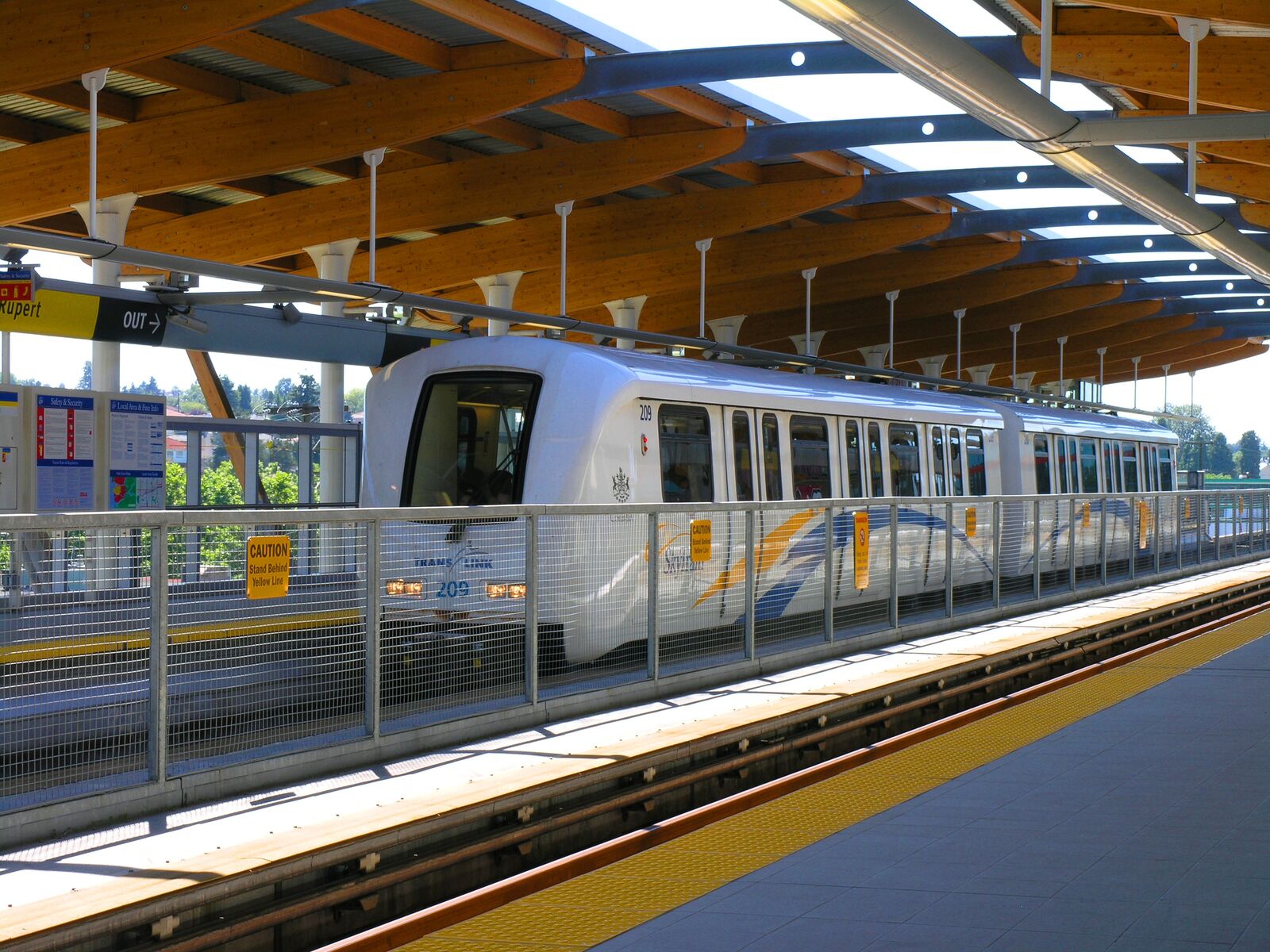
Vancouver's SkyTrain is a fully automated, driverless light rapid transit system, and it's incredibly efficient. It's your fastest way to get to many popular destinations, including the airport.
There are three SkyTrain lines:
Getting There: SkyTrain stations are well-marked and easily accessible throughout the city. Simply tap your Compass Card or contactless credit card at the fare gates to enter and exit. Remember to tap out to ensure correct fare calculation for zones.
Key SkyTrain Destinations for Tourists:
Vancouver is a city that enjoys its nightlife, and TransLink ensures you can get home safely even after the SkyTrain and SeaBus stop running (typically around 1 AM on weekdays, later on weekends). The "N" series night buses operate on key routes, often following similar paths to SkyTrain lines or major arterial roads.
Operating Hours: Night buses generally run from approximately 1:30 AM to 4:30 AM, with varying frequencies depending on the route. Check the TransLink website or use a trip planning app for specific schedules.
Key Night Bus Routes for Tourists:
Payment: Your Compass Card (with stored value or a DayPass from that day) works on night buses. You can also pay with exact cash fare (~CAD $3.50, one-zone adult fare) on the bus, but no change is given. Contactless credit card tap is also an option.
Important: All night bus travel is a one-zone fare, regardless of distance. This is consistent with off-peak pricing.
Safety Tip: While Vancouver is generally very safe, it’s always wise to be aware of your surroundings, especially when travelling alone late at night. Stick to well-lit areas and consider using a trip planning app to know exactly when your bus is due.
For our friends from the United States, a few extra tips can make your transit experience even smoother:
Vancouver's public transit system is a first-rate network designed to get you where you need to go efficiently and affordably. By understanding the Compass Card, navigating the zone system, and knowing your options like DayPasses and night buses, you'll be well-equipped to explore our beautiful city like a local. From the urban buzz of Downtown to the natural beauty of the North Shore and the busy culinary scene of Richmond, TransLink makes it all accessible. So, grab your Compass Card, tap in, and enjoy your Vancouver adventure. I promise, once you get the hang of it, you'll wonder why you ever considered renting a car!
A Compass Card, if you will ride more than a handful of times. Stored value on the card costs $2.85 for one zone against $3.50 for a tap of a bank card or phone, and the card can hold a DayPass or concession fares. For one or two rides, tapping your own card is simpler than paying the $6 refundable deposit.
During peak hours (weekdays until 6:30 PM), fares are based on 1, 2, or 3 zones. After 6:30 PM on weekdays, and all day on weekends/holidays, all travel is a 1-zone fare. Buses are always 1-zone. You tap in and out on SkyTrain/SeaBus to calculate zones.
Yes, the SeaBus is fully integrated into the TransLink system. You can use your Compass Card or contactless credit card. Zone rules apply (2 zones between Downtown and North Vancouver during peak hours, 1 zone off-peak).
Yes: $6.50, but only on trips starting at YVR-Airport, Sea Island Centre or Templeton station. There is no AddFare travelling to the airport. Monthly Pass holders are exempt, and so is a DayPass bought off Sea Island.
Event nights break the usual transit logic. If you are heading to the stadium, read getting to BC Place — the Uber pickup section alone saves most people $40.
More to explore in Vancouver
 English
 Español
 Français
 Deutsch
 Українська