FanVancouver · Local guide
Which Vancouver itinerary fits your trip: one day, a weekend, three days or a week - what actually fits, where to base yourself and transit costs.
In Vancouver the price depends on the neighbourhood far more than on the star rating. Compare live hotel and rental rates side by side before you lock your dates.
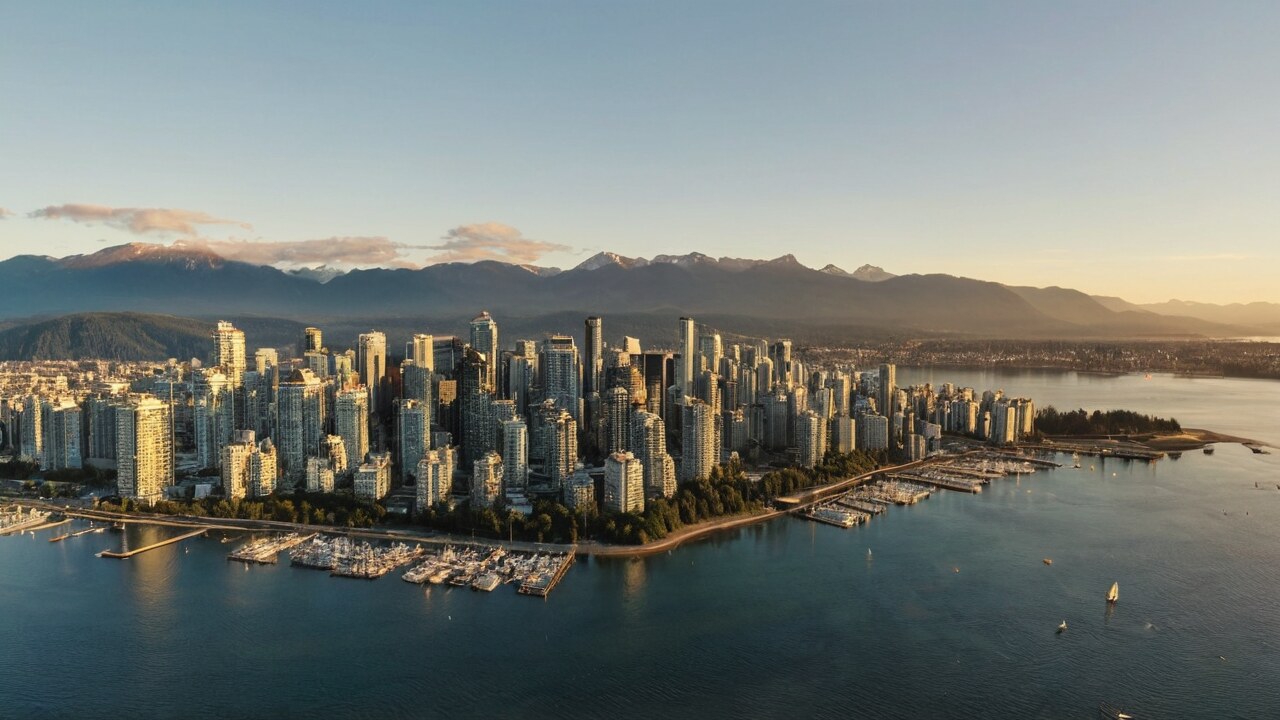
Most Vancouver itineraries fail for one reason: they are a list of sights rather than a route, and the list ignores water. The city centre sits on a peninsula, the mountains are on the far side of an inlet, and the beaches and the university are half an hour west of everything. Fit the plan to the map and two days feel generous. Ignore the map and three days feel rushed.
This page compares the routes by how long you actually have, then hands you the full plan for that length. Everything below assumes transit and walking unless it says otherwise.
| Trip length | What fits without rushing | Where to base yourself | Route |
|---|---|---|---|
| One day, no car | Gastown, the Stanley Park seawall and Granville Island at a walking pace. The North Shore does not fit - two crossings eat the day. | Downtown, within walking distance of Waterfront station | The one-day route |
| Two days - a weekend | Friday evening to land, Saturday on the downtown peninsula, and one Sunday choice only: Granville Island, Kitsilano or the mountains. | Downtown or Yaletown | The 48-hour plan |
| Three days - a first visit | The weekend plan plus a full North Shore day (Capilano or Lynn Canyon, Grouse) and time for a neighbourhood that is not downtown. | Downtown; keep the North Shore as its own day | The three-day route |
| A day out of the city | Whistler up the Sea-to-Sky, Victoria and Butchart Gardens by ferry, or Bowen Island for a half day. One of them, not two. | Stay downtown and leave early | Day trips compared |
| Five to seven days | The three-day city plan, an overnight in Whistler, a ferry day, and one slow day with nothing booked - usually the day people remember. | Downtown, plus one night up the highway | Start with Whistler |
Four facts explain almost every good Vancouver itinerary:
A TransLink DayPass was $12.55 when we last checked it on 16 August 2026, and it covers SkyTrain, bus and the SeaBus for the day; leaving the airport by Canada Line adds a $6.50 AddFare. Contactless tap-to-pay reaches the same daily cap automatically. Three or more rides is where the pass stops being a rounding error - that is every itinerary here except the one-day plan, which you can largely walk. Confirm current fares on TransLink before you travel.
Paid attractions are the other lever. Capilano Suspension Bridge was $69.95 at the last check (16 August 2026); Lynn Canyon has a suspension bridge of its own, is free, and is quieter. Locking one paid attraction per day, no more, is the single change that makes these routes work. Full numbers are on getting around Vancouver and the daily budget page.
Wildfire smoke. In late summer the air can turn in a day, and it is easy to check rather than guess: we republish Environment and Climate Change Canada air quality readings for 27 B.C. stations hourly on the smoke page. When the Vancouver reading is high, that is the day to move indoors instead of climbing a mountain.
Roads and bridges. If the plan involves the Sea-to-Sky or a bridge at rush hour, the live closures page is rebuilt every 30 minutes from DriveBC.
Winter. From December the mountain day becomes a ski or snowshoe day and the seawall is at its quietest. The winter guide covers what stays open.
Downtown, the West End or Yaletown keep Days 1–3 walkable — compare hotels and nightly rates before you book.
Expedia.ca Anniversary Sale — up to 30% off, 2 September to 8 October 2026
Expedia runs its Anniversary Sale once a year, and this year the window is 2 September to 8 October, advertised at up to 30% off. “Up to” is doing a lot of work in that sentence — the discount is set per property, so check your own dates against the standard rate rather than assuming the headline number.
See the Anniversary Sale →The most common planning mistake here is geographic, not temporal. Vancouver's attractions sit in four clusters separated by water and bridges, and an itinerary that hops between them loses two hours a day to travel. Group by cluster and the same list of places becomes a comfortable day:
Attraction opening hours cluster around 9-10am, and the North Shore attractions are busiest between 11am and 3pm — go first thing or late afternoon. The bridges to the North Shore back up badly from about 3pm on weekdays, so plan the return before then or after 6pm. Granville Island is calm before 11am and crowded after. Sunset is the fixed point of a summer evening: everything outdoors should be scheduled to end there, not start.
Keep one indoor cluster in reserve rather than rebuilding the day: the Vanier Park museums with Granville Island, or the aquarium with a downtown afternoon. Swapping a cluster costs nothing; improvising a wet day from scratch costs the day.
Three days is ideal for a first visit — enough for Stanley Park, Granville Island, Capilano or Lynn Canyon, Gastown and a half-day trip, without rushing.
Yes. Three days covers the city's must-sees at a relaxed pace. Add a fourth day for a full day trip to Whistler or Victoria.
Downtown, the West End or Yaletown keep you within walking distance of the seawall, Granville Island ferries and most attractions.
Two attraction decisions come up on almost every version of this itinerary: is the Vancouver Lookout worth it, and — if a wet afternoon lands mid-trip — is the Vancouver Aquarium worth it. Both are answered against today’s ticket price rather than nostalgia. A movie-location morning (viaduct, library, Gastown) sits on filmed in Vancouver.
FanVancouver is written and run by one person — Alex, in Vancouver, British Columbia. I moved here from Ukraine, stayed, and have been writing this site since 2024. There is no newsroom behind it and no tourist board paying for the copy.
Prices, hours and schedules on this page come from the operator's own page and carry the date they were checked, so you can see how fresh they are before planning around them. Where something could not be verified, the page says so instead of guessing.
How the site is researched is set out on the about page. Something wrong, out of date or missing? Write to [email protected] — corrections get made.
More to explore in Vancouver
 English
 Español
 Français
 Deutsch
 Українська