English
 Español
 Français
 Deutsch
 Українська
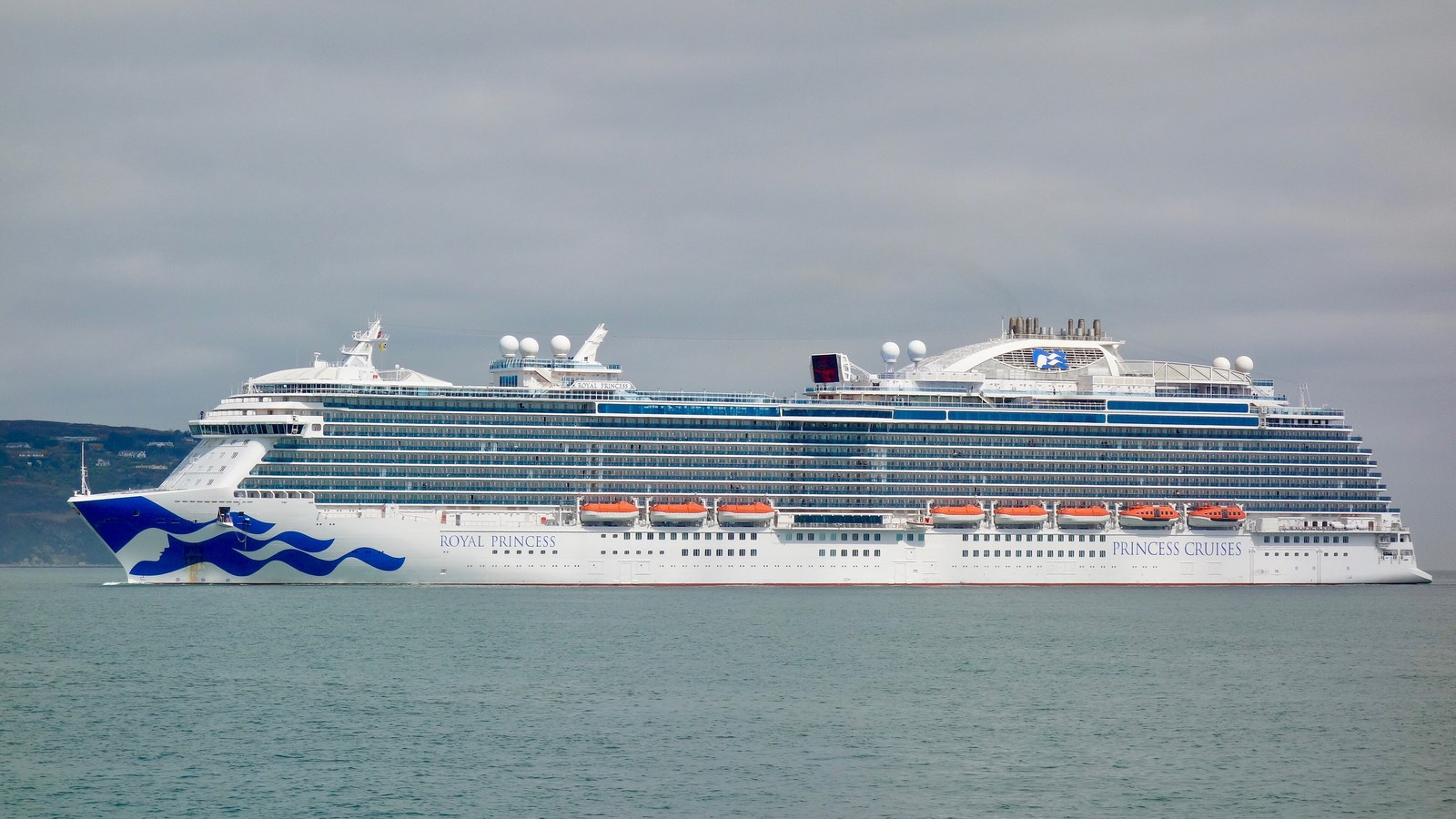 3 nights
Princess Cruises
Royal Princess
3 nights, Pacific Coastal
Vancouver, Canada → Victoria, Canada → Seattle, Washington
5 from 19 CruiseDirect traveller reviews
1 departure date on sale
DealDrinks, Tips, Wi-Fi @Sea & More

FanVancouver · Local guide
Cruises from Vancouver 2026: Alaska Inside Passage, Canada Place lines, honest fare ranges, and how to compare live prices.

There is a moment, somewhere north of Vancouver Island, when the ship slips into the Inside Passage and the world goes quiet. The engines hum somewhere far below. You stand at the rail with a warm cup in your hands, and the sunrise pours molten gold across water so still it mirrors the mountains twice. An eagle traces the shoreline. Later, at the glacier, you will hear ice older than history crack like distant thunder and slide into a turquoise sea — and you will understand why people cross the world for this. Every one of these voyages begins here, in downtown Vancouver, where the ship waits at Canada Place with the city's skyline on one side and that endless northern ocean on the other. Sunsets on deck with someone you love, whales off the bow at breakfast, nights wrapped in a blanket watching the sky — this is the trip people describe, years later, as the happiest week of their lives.
Ships leave in the morning, so it is the night before that matters. The map shows live rates near the cruise terminals and downtown.
FanVancouver picks
Compare Vancouver & Alaska cruise deals, then lock a pre-cruise hotel.
Some links are affiliate links — we may earn a commission at no extra cost to you. Confirm live prices on the partner site.
Vancouver isn't just a cruise port — it is the historic homeport of the Alaska run. Ships have sailed north from this harbour for more than a century, and today roughly a million passengers a season walk the gangways at Canada Place, the sail-shaped terminal right in the middle of downtown. Unlike most cruise cities, there is no long transfer: the terminal sits steps from Gastown's cafés, ten minutes from Stanley Park, and about 25 minutes from the airport on a driverless train. You can eat breakfast on Robson Street and be waving at the skyline from the promenade deck by mid-afternoon.
There's a quieter advantage, too: only from Vancouver do most sailings run the full Inside Passage — the sheltered, island-laced sea route where the water stays calm, the scenery never stops, and seasickness is largely a rumour. Ships leaving from Seattle spend their first day in open ocean; ships leaving Vancouver thread between forested islands almost the whole way north.

The classic. Vancouver → Ketchikan → Juneau → Skagway → glacier viewing (Glacier Bay, Endicott Arm or Hubbard Glacier) → back to Vancouver. One unpack, endless scenery — the best first Alaska cruise for most people.

Vancouver → Inside Passage ports → across the Gulf to Whittier or Seward. Pairs well with a Denali land tour. Budget a one-way flight home from Anchorage — worth it for the extra glacier scenery.
Worth knowing before you book that one-way: Air Canada flies YVR–Anchorage non-stop in the cruise season only — 2,136 km. Outside the season the same trip is a connecting itinerary, which is part of why a late-September flight home costs what it does.

Spring and fall repositioning runs between Vancouver and Los Angeles or San Francisco. Short, often deeply discounted, and a low-cost way to try the same ships before a longer Alaska season.

Each spring and autumn a handful of ships cross between Vancouver and Honolulu — long sea days, star-filled nights, and per-day prices that often surprise first-timers.

Ketchikan, stilt-houses over a salmon stream and famous totem collections; Juneau, a capital reachable only by sea or air, with the Mendenhall Glacier a short trip from the dock; Skagway, a gold-rush town where the White Pass railway still climbs the mountains; Icy Strait Point, whale country run by the Huna Tlingit; and Glacier Bay National Park — a UNESCO World Heritage site where ships drift before a wall of blue ice. Many itineraries also call at Victoria, BC.
| Line | Style | Best for |
|---|---|---|
| Holland America | Classic, unhurried, Alaska veteran (since 1947) | Scenery lovers, couples, first-timers who want tradition |
| Princess Cruises | Big ships, strong Alaska land-tour network | Cruise + Denali combinations, families, balconies |
| Celebrity Cruises | Modern premium, excellent food and design | Couples, foodies, style-conscious travellers |
| Royal Caribbean | Big, activity-packed resort ships | Families, multi-generation groups, first cruises |
| Norwegian (NCL) | Freestyle dining, flexible, lively | Independent travellers who hate fixed dinner times |
| Disney Cruise Line | Character magic at sea — only in select seasons; confirm the current year | Families with younger kids |
| Seabourn · Silversea · Regent · Oceania | Small-ship luxury, all-inclusive or near it | Special occasions, expedition-style Alaska, fewer crowds |
Line-ups shift slightly each season — confirm current 2026 deployments on the line's own site before you set your heart on a ship.
Honest numbers, not teaser ads. For a typical 7-night Alaska sailing from Vancouver, current fares generally fall in these ranges per person (double occupancy, before taxes of roughly US$150–250):
| Cabin | Shoulder season (May / Sept) | Peak (July / Aug) |
|---|---|---|
| Interior | ~US$600–900 | ~US$900–1,400 |
| Ocean view | ~US$800–1,100 | ~US$1,100–1,600 |
| Balcony | ~US$1,100–1,700 | ~US$1,600–2,500 |
| Luxury lines (all-in) | from ~US$3,500 and up — but drinks, tips and excursions are largely included | |
Ranges reflect typical published fares and move constantly with demand — always verify today's price with the cruise line or a licensed agency before booking.
Checked 3 September 2026 on CruiseDirect’s Vancouver departure list (first page, cheapest first) and the Alaska destination board the same afternoon. Fares below are per person, two sharing, taxes and port fees already in. They move daily. This is a reading of the board, not a locked price.
Skip the headline “from US$200” ads if you want a seven-night Alaska round trip in July. In early September the cheap numbers are ships leaving this coast — repositioning south — not the classic week to Glacier Bay.
| Ship | Nights | Route | From (US$) | Promo on the card |
|---|---|---|---|---|
| Ovation of the Seas (Royal Caribbean) | 3 | Vancouver → Los Angeles | 239 (US$80/night) | 60% off second guest |
| Royal Princess | 3 | Vancouver → Victoria → Seattle | 279 (US$93/night) | Drinks, tips, Wi-Fi at sea |
| Zaandam (Holland America) | 4 | Vancouver → San Diego | 299 (US$75/night) | Up to US$500 Visa gift card |
| Eurodam (Holland America) | 4 | Vancouver → Santa Barbara → San Diego | 299 (US$75/night) | Up to US$500 Visa gift card |
| Emerald Princess | 6 | Vancouver → Victoria → San Francisco → Los Angeles | 389 (US$65/night) | Up to US$1,000 Visa gift card |
The Island Princess four-night Los Angeles fare at US$229 that sat on our 3 August snapshot is not on the first page of the live board today. Do not treat that number as current.
Cheapest Vancouver-depart Alaska cards on the first page of the Alaska board, 3 September:
| Ship | Nights | Route | From (US$) | Promo on the card |
|---|---|---|---|---|
| Celebrity Solstice | 5 | Vancouver → Ketchikan → Victoria → Vancouver | 569 (US$114/night) | None beyond “no hidden fees” |
| Crown Princess | 4 | Vancouver → Ketchikan → Vancouver | 574 (US$144/night) | Drinks, tips, Wi-Fi at sea |
The cheapest Alaska week on that same page was not from Vancouver: MSC Poesia, seven nights Seattle–Alaska–Victoria–Seattle, US$555 with “Kids Sail Free.” If you can start in Seattle, that is the number to beat. A one-way Celebrity Solstice Seward → Vancouver showed US$630.
Source to re-check before you pay a deposit: CruiseDirect Vancouver departures and CruiseDirect Alaska. Line terms: Royal Caribbean promotions, plus the fare conditions on the sailing you click.
The advertised per-person fare already assumes two people in the cabin. The second guest is 60% off the first. Solo, you are in single-supplement territory and this “deal” usually disappears. Still showing on Ovation’s Vancouver–Los Angeles card on 3 September — confirm the line’s own end date before you count on it.
This is almost never money off the fare at checkout. It is a rebate with its own rules: apply after the cruise, minimum spend, one card per cabin. Price the sailing without it. If the paperwork is annoying, skip it.
Usually the third and fourth berth. Two adults still pay. Children still owe taxes and port fees. Age bands differ by line. On 3 September this label was on the Seattle MSC Alaska week, not on the cheapest Canada Place cards.
The extras that otherwise add roughly US$16–20 per person per day in automatic gratuities, plus packages. On a three-night hop this can be most of the onboard bill. On a seven-night Alaska week, read what “at sea” actually covers in the fjords — satellite Wi-Fi drops.
Ships that spent the summer on Alaska have to be in California or Mexico for winter. The line would rather sell those transit days cheaply than sail them empty. The trade-off is a one-way flight home. A US$239 fare plus a last-minute LAX–YVR ticket is not a US$239 holiday — price the flight first.
May and September Alaska weeks are the ones that move. July and August are the ones that do not. The range table above this section is a typical published band, not today’s board. For today’s Canada Place number, use the tables here or the live listing.
The card grid further down this page is still the last full catalogue snapshot (3 August 2026). Use it for ship notes and itineraries. Use the tables above — or the live listing — for the fare you might actually pay.
Vancouver cruise deals page · Pacific coastal & repositioning · Alaska from Vancouver · YVR to Canada Place
May and September routinely run 30–40% below July. May brings snow-capped peaks and long days; September brings fall colour, salmon runs and a genuine shot at the northern lights.
The best cabins at the best prices go 8–12 months out. The other window is 60–90 days before sailing, when lines quietly discount unsold cabins ("guarantee" rates). The middle is where you overpay.
Those spring/fall Pacific Coastal runs are the insider play — a taste of the same ship and service, often for a few hundred dollars total.
Let the line pick your cabin location within a category and the fare drops. On a scenery cruise like Alaska, you'll be on deck anyway.
Included in almost every fare: your cabin, all main-dining-room and buffet meals, room service basics, stage shows and most onboard activities, kids' clubs, and the itinerary itself — the glaciers don't charge admission.
Usually extra: shore excursions (US$60–300 each — the flightseeing and dog-sled trips are the splurge), alcoholic drinks and speciality coffee, speciality restaurants, Wi-Fi, spa, photos, and gratuities of roughly US$15–20 per person per day. Budget realistically: a US$800 fare often becomes a US$1,400–1,600 trip per person once the extras land. Luxury lines bundle most of this in — which is why their sticker price is less scary than it looks.
This is where a local site earns its keep. The smartest cruisers fly in a day early — one delayed flight should never cost you a US$2,000 sailing — and give themselves a golden evening in the city first. Here's everything, step by step:
| Transfer | When it wins |
|---|---|
| Canada Line → Waterfront | Most solo/duo travellers with normal luggage |
| Taxi/rideshare | Groups, mobility needs, extreme luggage |
· Facts checked against official sources where linked · Editorial policy
Late April to early October. July–August is warmest and busiest; May and September are the value-and-atmosphere picks.
The Inside Passage is famously calm — it's sheltered water nearly the whole way. If any route is kind to nervous sailors, it's this one. The one-way Gulf crossing adds a day of open ocean.
More than on any warm-weather cruise. This is a scenery voyage: morning mist, breaching whales, glacier mornings in a bathrobe. If the budget stretches to it, Alaska is the cruise to do it on.
Yes — and if you stay downtown the night before, you can literally walk from your hotel to the ship. See our port guide for the smoothest boarding routine.
Information verified July 2026 from cruise-line publications and Port of Vancouver sources. Prices are typical published ranges, not quotes — always confirm current fares and entry requirements before booking. Some links on this page are affiliate links; we may earn a commission at no extra cost to you.
The whole Vancouver board, cheapest first: Alaska weeks, short coastal runs and the autumn repositioning legs mixed together. Fares are per person, double occupancy, taxes and port fees in, and they move daily — we re-read the board rather than typing prices in by hand.
3 nightsPrincess Cruises
3 nights, Pacific Coastal
Vancouver, Canada → Victoria, Canada → Seattle, Washington
5 from 19 CruiseDirect traveller reviews
1 departure date on sale
DealDrinks, Tips, Wi-Fi @Sea & More
 6 nights
Norwegian Cruise Line
6 nights, Pacific
Vancouver, Canada → Victoria, BC, Canada → San Francisco, CA → Los Angeles, CA
3 from 5 CruiseDirect traveller reviews
1 departure date on sale
Deal50% Off All Cruises
 4 nights
Holland America Line
4 nights, Pacific Coastal
Vancouver, BC, CA → San Diego, California, US
4 from 8 CruiseDirect traveller reviews
1 departure date on sale
DealUp to $500 Visa Gift Card
 4 nights
Holland America Line
4 nights, Pacific Coastal
Vancouver, BC, CA → Santa Barbara, California, US → San Diego, California, US
5 from 16 CruiseDirect traveller reviews
1 departure date on sale
DealUp to $500 Visa Gift Card
 4 nights
Princess Cruises
4 nights, Pacific Coastal
Vancouver, Canada → Los Angeles, California
4 from 28 CruiseDirect traveller reviews
1 departure date on sale
DealUp to $500 Visa Gift Card
Prices, star ratings and review counts are CruiseDirect's own, recorded on 2026-09-28; they are not our rating of these ships. Booking links are affiliate links — we may earn a commission at no extra cost to you. Ship photographs via Wikimedia Commons: royal princess — Sonse, CC BY 2.0; Norwegian Encore — Gordon Leggett, CC BY 4.0; Zaandam — Wilfredor, CC0; eurodam — Frans Berkelaar, CC BY 2.0; Emerald Princess — Quintin Soloviev, CC BY 4.0.
All Vancouver cruise deals with prices → · See every date on sale →
Stress-free embarkation
Pick sail time, where you start, and luggage. We add the real buffers locals use — not the brochure’s “arrive 2 hours early” alone.
Independent FanVancouver tool. Lines set their own all-aboard; always confirm on your cruise docs. Pier load uses today’s published Canada Place calendar.
Six hulls do most of the work out of Canada Place. They are not interchangeable: one is built for teenagers and bumper cars, one for chamber music and a quiet bar, and the difference matters more over seven nights than the fare gap between them.

Norwegian Cruise Line
Jewel class · 2006 · about 2,400 guests · 93,500 GT
The smallest of the big ships on this run, and on the Inside Passage that is a feature: narrower channels, less time queuing for a tender. Dining is Freestyle — no fixed sitting, no assigned table, turn up when you are hungry. The Spinnaker Lounge is the forward observation bar with floor-to-ceiling glass by day and a dance floor at night, which is where most people end up after the show. Norwegian uses the Ward Cove berth in Ketchikan, about 11 km from town with a shuttle laid on.

Princess Cruises
Grand class · 2006 · 3,080 guests · 113,500 GT
The classic Alaska workhorse. Skywalkers Nightclub sits aft above deck 17 and is reached by a glass tunnel — the late bar and disco on this ship, and quiet enough in the afternoon to read in. Princess runs a North to Alaska programme with naturalists narrating the glacier days over the outside speakers, plus Movies Under the Stars on a poolside LED screen where blankets and popcorn come out at dusk.
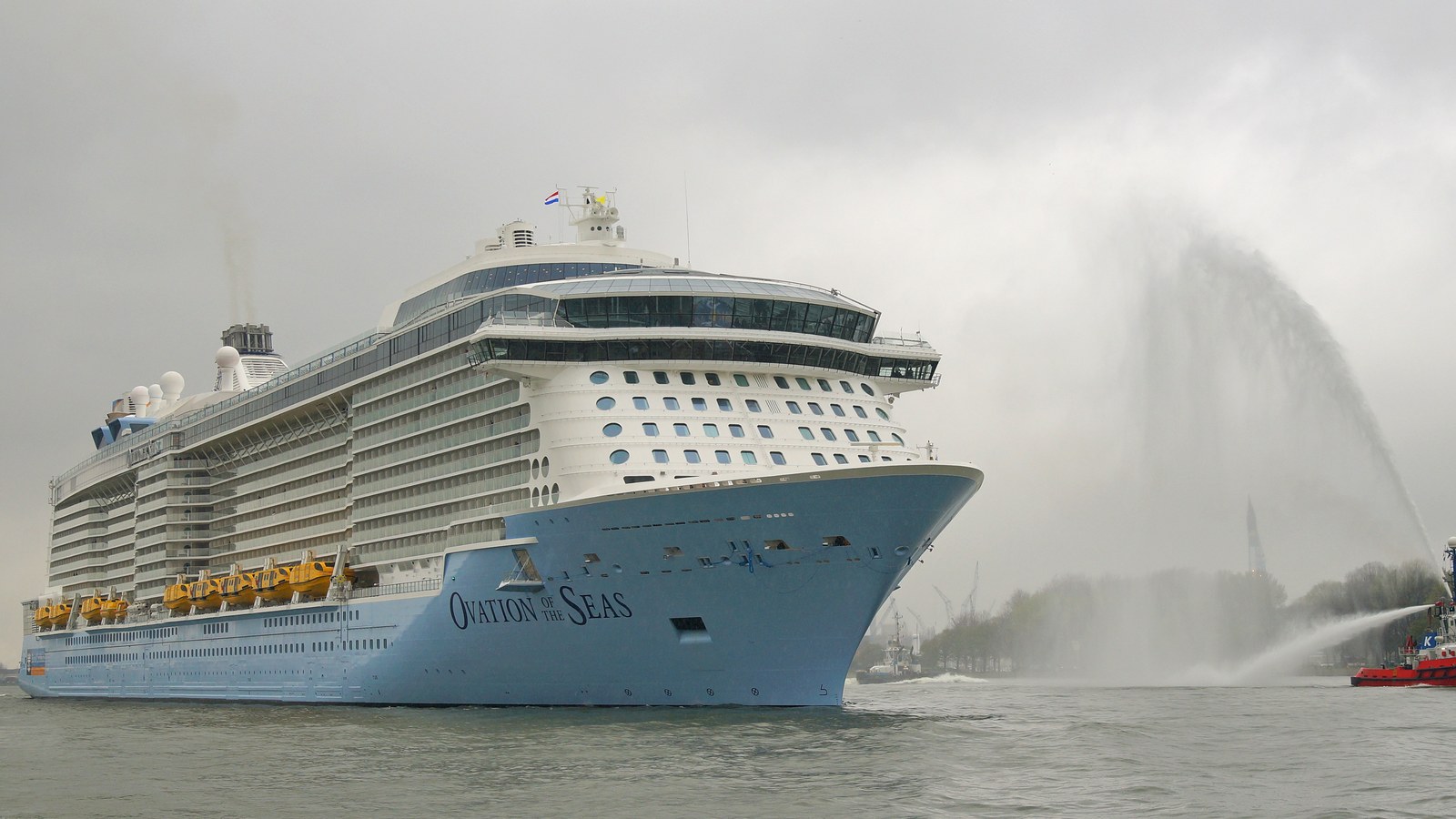
Royal Caribbean
Quantum class · 2016 · about 4,900 guests · 168,600 GT
The biggest hull that regularly sails this coast and the most to do on a sea day: North Star lifts a glass capsule 90 m above the water on a crane arm, RipCord is a vertical wind tunnel for indoor skydiving, and SeaPlex is a full indoor sports hall with bumper cars and roller skating. Two70 turns its whole back wall into a screen for the evening show. If you are travelling with teenagers, this is the ship they will forgive you for.
Holland America Line
Signature class · 2008 · 2,104 guests · 86,300 GT
The quiet-crowd option, and the line with the most Glacier Bay permits. Music Walk is the reason to book it: Rolling Stone Rock Room, Billboard Onboard with duelling pianos and Lincoln Center Stage for chamber music, all live, all included, all within thirty metres of each other. Pinnacle Grill is the steakhouse and costs extra. Older average age than Royal Caribbean by a wide margin — which for some people is the whole point.
Princess Cruises
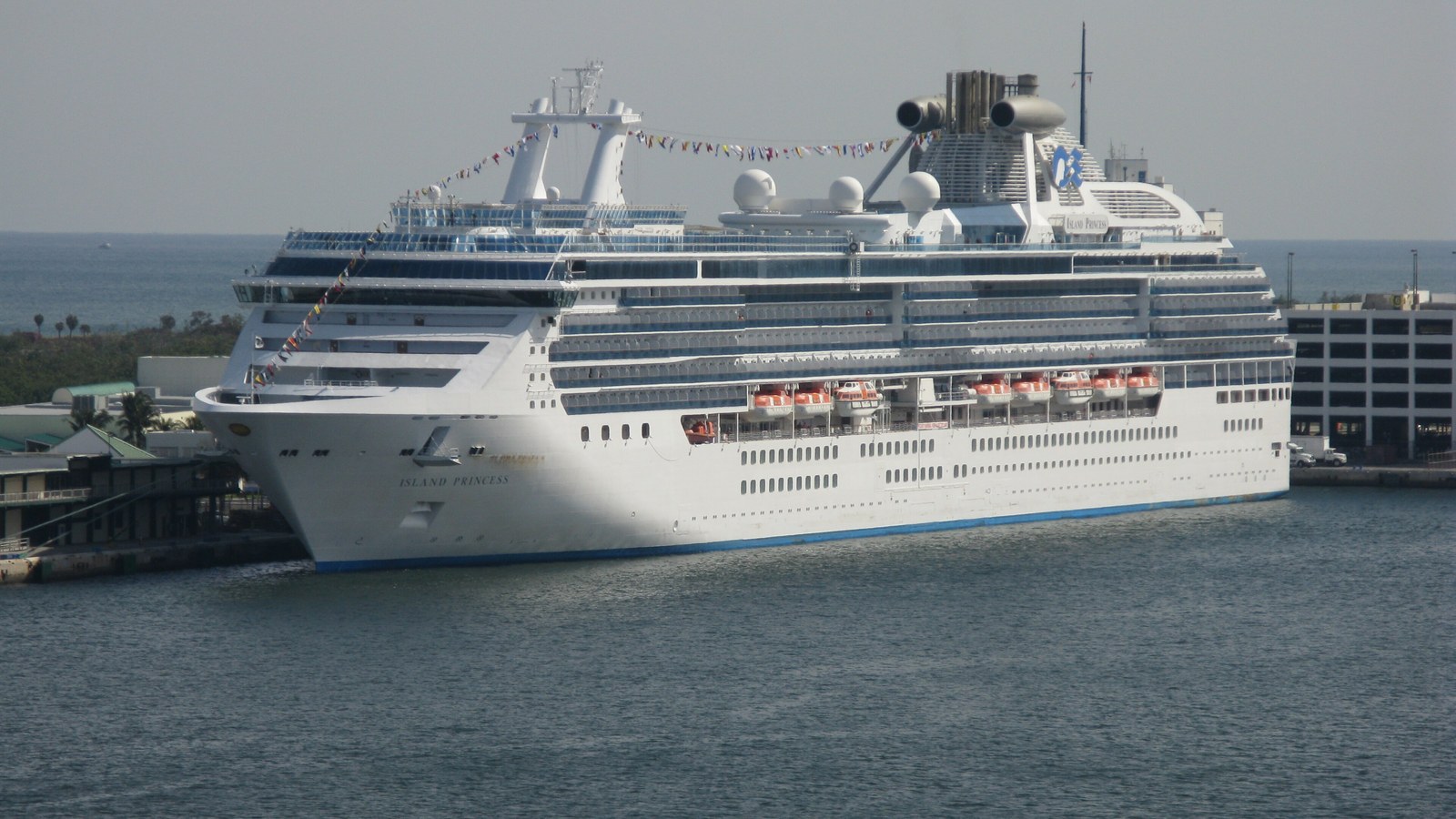
Coral class · 2003 · about 2,200 guests · 92,800 GT
Built narrow enough for the original Panama Canal locks, which makes her one of the more graceful ships in Glacier Bay. The Sanctuary is an adults-only sun deck with proper loungers and table service — worth the day rate on a glacier morning when every rail on the open decks is three deep. Also the ship you will most often see on the four-night coastal hops out of Canada Place.

Celebrity Cruises
Solstice class · 2008 · about 2,850 guests · 121,800 GT
Half an acre of real lawn on the top deck, kept alive at sea — glass blowing demonstrations used to run beside it, and the grass is still where people watch the coast go past with a glass of something. Murano is the fine-dining room. Celebrity's crowd skews a little older and a lot quieter than the big Royal Caribbean hulls, and the ship works both the Vancouver round trips and the one-ways to Seward.
Ship photographs via Wikimedia Commons: norwegian jade — Ivan T., CC BY-SA 3.0; crown princess — Emphyrio, CC0; ovation of the seas — kees torn, CC BY-SA 2.0; eurodam — Frans Berkelaar, CC BY 2.0; island princess — Jean-Philippe Boulet, CC BY 3.0; Celebrity Solstice — Donaldytong, CC BY-SA 3.0.
Sea days on an Alaska sailing are not filler — they are the glacier days. The ship spends the morning in front of ice with the outside decks open and a naturalist on the PA, and the practical advice is the same on every line: dress as if you are going up a mountain, get outside early, and take the deck below the crowded one. Port days start early because most excursions do, and the ship's own tours are the only ones that will wait for you if they run late.
The main dining room, the buffet, the poolside grill, room service on most lines and the sit-down breakfast are all in the price. The steakhouses, Italian rooms and sushi counters are not — reckon on US$25-60 a head, and book them on embarkation day because the good nights go first. Coffee from the buffet is included; the espresso bar is not. Water, iced tea and basic juice are included; anything with a brand name is a drinks package conversation, and on a four-night coastal run the package rarely pays for itself.
Every ship here has a theatre with a production show, a comedian or a guest act, and it is included. After it finishes the ship splits: a piano bar or a live band in the atrium for one crowd, a proper nightclub for another — Skywalkers on Crown Princess, the Spinnaker Lounge on Norwegian Jade, Music Walk on Eurodam if you would rather have a rock band than a DJ. Silent discos have become standard on the Royal Caribbean and Norwegian ships, and they run late without waking the cabins below. The casino opens once the ship is in international water and closes in port, which is a licensing rule, not a scheduling accident.
Kids' clubs are included and staffed by age band: Splash Academy on Norwegian, Adventure Ocean on Royal Caribbean, Camp Discovery on Princess, Club HAL on Holland America, Camp at Sea on Celebrity. Most run from about 9am to 10pm with a paid late-night option, and teenagers get their own room with a games console and a sound system nobody over 25 wants to be near. The other direction is equally organised: the Sanctuary on Princess, the Solarium on Royal Caribbean and the thermal suites on Celebrity and Holland America are adults-only, and on a rainy Alaska sea day they are the best twenty dollars you will spend on board.
Gratuities are added automatically — roughly US$16-20 per person per day — so a couple on a seven-night sailing is looking at about US$250 before a single drink. Wi-fi is a paid package on every line here and Alaska coverage is satellite-only in the fjords, so it drops. Laundry is either a self-service room with coins or a bag rate, and the mid-cruise special is usually worth it. Ship time can differ from shore time in Alaska ports: Vancouver and Alaska are both on Pacific time in summer, but the ship sometimes stays on its own clock — the daily programme is the authority, not your phone.
Venues change with refits and itineraries change by season: treat the specifics above as the shape of the thing and confirm the ship you are booking on the line's own deck plans.
Alaska sailings with today's prices → · Short coastal runs south →
Alaska is not only a place you sail to — half the season sails out of it. These leave from Seward and Whittier (both about two hours from Anchorage) and from Juneau, and most of them finish in Vancouver, so the flight you buy is the one going north. Fares are per person with taxes and port fees included.
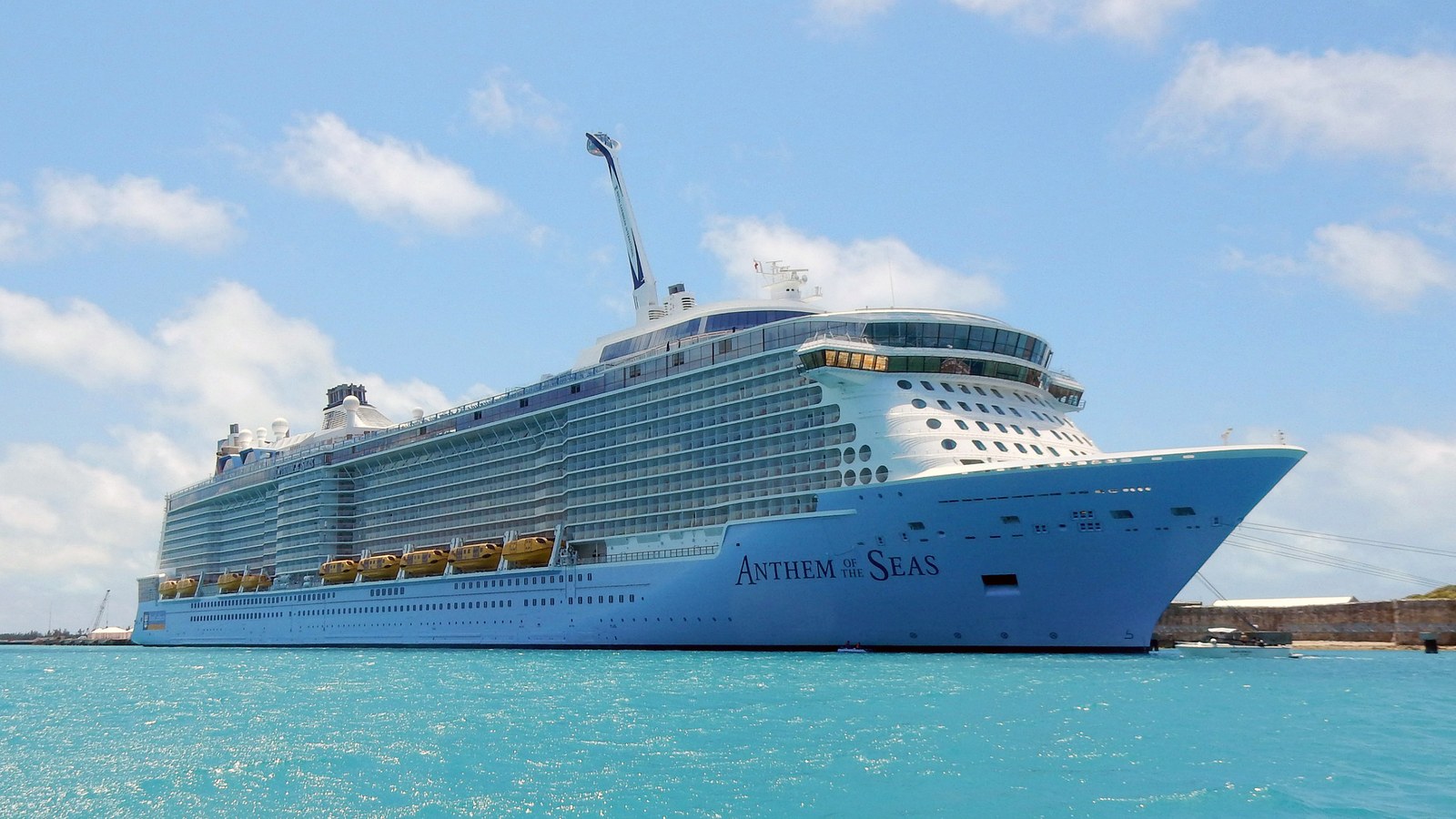 7 nights
Royal Caribbean
7 nights, Alaska
Seward → Hubbard Glacier → Juneau → Skagway → Icy Strait Point → Ketchikan → at sea → Vancouver
2 departure dates on sale
DealDeparts 2027-09-10
per person, Royal Caribbean lead-in — their search price includes taxes and fees; port expenses can be extra
Check dates & book →Prices, star ratings and review counts are CruiseDirect's own, recorded on 2026-09-28; they are not our rating of these ships. Booking links are affiliate links — we may earn a commission at no extra cost to you. Ship photographs via Wikimedia Commons: Anthem Of The Seas — slgckgc, CC BY 2.0.
Every Alaska sailing, port by port → · See every date on sale →
One-way coastal sailings work in both directions, and the southern end of the same route is the cheapest board on the Pacific: Los Angeles sends ships up the coast, down to the Mexican Riviera and across to Hawaii. Fares are per person, taxes and port fees included.
4 nightsRoyal Caribbean
4 nights, Mexico
Los Angeles → at sea → Catalina Island → Ensenada → Los Angeles
1 departure date on sale
DealDeparts 2026-11-02
per person, Royal Caribbean lead-in — their search price includes taxes and fees; port expenses can be extra
Check dates & book →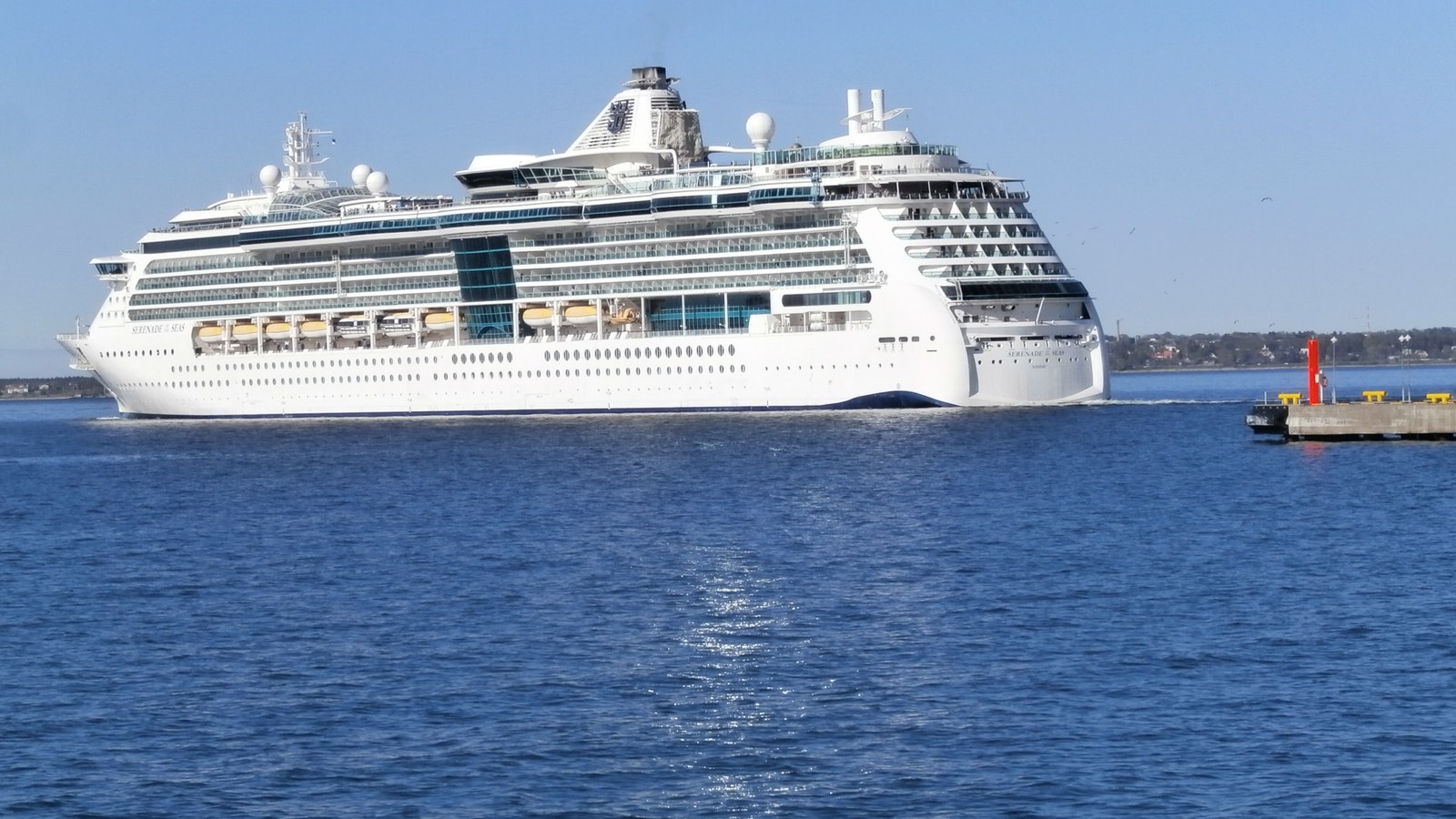 3 nights
Royal Caribbean
3 nights, Mexico
San Diego → at sea → Ensenada → San Diego
1 departure date on sale
DealDeparts 2026-12-03
per person, Royal Caribbean lead-in — their search price includes taxes and fees; port expenses can be extra
Check dates & book → 6 nights
Royal Caribbean
6 nights, Mexico
Los Angeles → at sea → Cabo San Lucas → at sea → Ensenada → Los Angeles
1 departure date on sale
DealDeparts 2026-10-30
per person, Royal Caribbean lead-in — their search price includes taxes and fees; port expenses can be extra
Check dates & book →Royal Caribbean
4 nights, Mexico
Los Angeles → Catalina Island → at sea → Ensenada → Los Angeles
1 departure date on sale
DealDeparts 2028-02-07
per person, Royal Caribbean lead-in — their search price includes taxes and fees; port expenses can be extra
Check dates & book →Prices, star ratings and review counts are CruiseDirect's own, recorded on 2026-09-28; they are not our rating of these ships. Booking links are affiliate links — we may earn a commission at no extra cost to you. Ship photographs via Wikimedia Commons: ovation of the seas — kees torn, CC BY-SA 2.0; serenade of the seas — Pjotr Mahhonin, CC BY-SA 4.0; Voyager Of The Seas — Bahnfrend, CC BY-SA 4.0.
The whole Pacific coastal board → · See every date on sale →
Roughly late April through early October. July and August bring the warmest weather and highest prices; May and September are quieter and usually noticeably cheaper, with a real chance of northern lights in September.
For a 7-night sailing, interior cabins typically start around US$600–900 per person in shoulder season, balconies around US$1,200–2,000, and luxury lines considerably more. Prices move constantly — always verify current fares with the cruise line or a licensed agency.
Yes — Alaska is the United States, so you must meet US entry requirements. US and Canadian citizens need a valid passport; most other nationalities need an ESTA or US visa even though the ship departs from Canada. Check requirements well before booking.
Virtually all cruises depart from Canada Place cruise terminal, right in downtown Vancouver. It is about 25–35 minutes from the airport by Canada Line SkyTrain or taxi, and walkable from most downtown hotels.
Your cabin, main dining rooms and buffet, most onboard entertainment and the ports on the itinerary. Not usually included: shore excursions, alcoholic drinks, specialty restaurants, Wi-Fi, gratuities (typically US$15–20 per person per day) and travel insurance.
More to explore in Vancouver
FanVancouver picks
Sailings from Canada Place price up as the season fills — compare now.
Some links are affiliate links — we may earn a commission at no extra cost to you. Confirm live prices on the partner site.