Vancouver vs. Toronto: Your Ultimate Canadian City Showdown
Vancouver and Toronto answer different questions. Toronto is Canada’s largest city, its financial centre and the home of its busiest airport; the sights are urban and the country starts an hour’s drive out. Vancouver is a third of the size, milder and much wetter, and most of what visitors come for — the North Shore mountains, the Sea-to-Sky highway, the island ferries — sits within ninety minutes of downtown. This page compares them on what a visitor actually pays for: getting in, getting around, weather by season, and what a day costs.
The Core Identity: Nature's Embrace vs. Urban Powerhouse
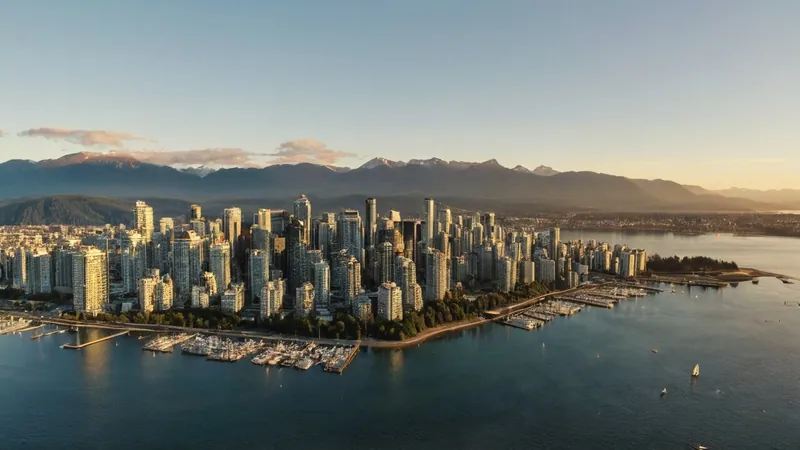
This is where the rubber meets the road. Vancouver is unequivocally a nature-first city. Our urban core is set between the Pacific Ocean, the Coast Mountains, and a vast network of parks. You can hike a mountain in the morning, paddle a kayak in the afternoon, and dine at a top-tier restaurant in the evening, all without leaving the city's immediate vicinity. Our lifestyle is deeply intertwined with the outdoors. We dress for the weather, we embrace the rain, and our conversations often revolve around the latest trail conditions or ski reports.
Toronto, on the other hand, is Canada's quintessential urban powerhouse. It's a sprawling, diverse metropolis, a global financial hub, and a cultural melting pot. Its energy is palpable, driven by its sheer scale and the constant hum of commerce and creativity. While it is home to beautiful parks and a great waterfront, its primary identity is that of a busy, cosmopolitan city. Think New York City, but with a Canadian accent and a slightly less frenetic pace.
Weather & Best Time to Visit: Sunshine vs. Four Seasons
Let's not sugarcoat it: Vancouver is famous for its rain. However, that rain is often what keeps our landscape so lush and green. Our climate is temperate. Summers (July-August) are glorious: warm, dry, and sunny, with temperatures typically ranging from ~20-28°C (68-82°F). This is peak tourist season, and for good reason. Spring (April-June) and Fall (September-October) are beautiful but wetter, with temperatures around ~10-20°C (50-68°F). Winters (November-March) are mild compared to most of Canada, rarely dipping below freezing, with average temperatures ~0-8°C (32-46°F). Snow in the city is infrequent and usually doesn't last long, though the nearby mountains are blanketed.
Best time for Vancouver: Late June to early September for guaranteed sunshine and outdoor activities. May, early June, and September for fewer crowds and still pleasant weather, if you don't mind a chance of rain.
Toronto experiences a more distinct four-season climate. Summers (July-August) are hot and humid, often reaching ~25-35°C (77-95°F) with high humidity. Spring (April-June) and Fall (September-October) are generally pleasant, with temperatures similar to Vancouver's spring/fall, but often less rain. Winters (November-March) are cold, with significant snowfall and temperatures frequently below freezing, often dipping to ~-15°C (5°F) or colder with wind chill.
Best time for Toronto: Late May to mid-September for warm weather, or late September to early October for impressive fall colours and crisp air.
Cost of Travel: Wallet Watch
Both cities are among Canada's most expensive, but there are nuances. Let's talk 2026 CAD estimates.
Accommodation (per night, mid-range hotel):
- Vancouver: ~CAD $250-450. Expect higher prices downtown, Gastown, and near major attractions. Hotels around the airport or Burnaby can be slightly cheaper but add commute time.
- Toronto: ~CAD $220-400. Downtown Toronto and Entertainment District will be at the higher end. Options in North York or Scarborough might offer savings.
Dining (mid-range restaurant, dinner for two with drinks):
- Vancouver: ~CAD $80-150. Seafood is a must-try, and ethnic cuisine is abundant and excellent.
- Toronto: ~CAD $70-140. Incredible diversity of global cuisines, often slightly more competitive pricing due to sheer volume.
Transportation (daily average using public transit):
- Vancouver (TransLink): A single adult fare is ~CAD $3.50-6.70 depending on zones. A DayPass is ~CAD $12.55. Our SkyTrain, SeaBus, and buses are efficient.
- Toronto (TTC): A single adult fare is ~CAD $3.50. A Day Pass (good for 24 hours from first use) is ~CAD $13.50. The subway system is extensive.
Attractions (entry for one adult):
- Vancouver:
- Vancouver Aquarium: ~CAD $45-50
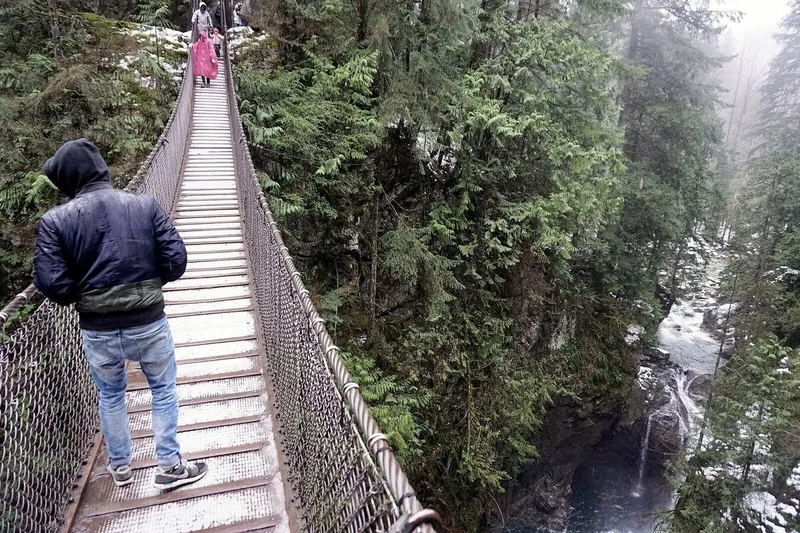
- Capilano Suspension Bridge Park: CAD $69.95
- Museum of Anthropology: ~CAD $18-20
- Granville Island Market (free to explore, food costs extra): ~CAD $20-50 for a meal/snacks
- Toronto:
- CN Tower: ~CAD $45-50
- Royal Ontario Museum (ROM): ~CAD $25-30
- Ripley's Aquarium of Canada: ~CAD $45-50
- Art Gallery of Ontario (AGO): ~CAD $25-30
Verdict on Cost: Toronto generally offers slightly better value for accommodation and dining, given its larger market. However, Vancouver's proximity to free natural attractions (Stanley Park, beaches, hiking trails) can offset some of the higher city costs if you plan your itinerary smartly.
Nature & Outdoor Activities: Vancouver's Crown Jewel
This is where Vancouver shines. Our connection to nature isn't just a selling point; it's our way of life.
- Stanley Park: Larger than NYC's Central Park, this urban oasis offers impressive seawall walks/cycles (~10km loop), ancient forests, First Nations totems, and beautiful beaches. Rent a bike near Denman Street (~CAD $30-50 for a half-day).
- Mountains (North Shore): Grouse Mountain, Cypress Mountain, and Mount Seymour are all within a 30-45 minute drive from downtown. In winter, they're ski/snowboard resorts. In summer, they offer hiking, scenic gondola rides (Grouse Mountain Skyride: CAD $89 round trip), and incredible views.
- Beaches: Kitsilano Beach, Jericho Beach, Spanish Banks are popular for swimming, sunbathing, and beach volleyball. English Bay Beach offers striking sunsets.
- Water Activities: Kayaking, paddleboarding, and even whale watching tours depart from Granville Island or Coal Harbour (~CAD $150-200 per person for whale watching).
- Hiking: From easy strolls to challenging climbs, the options are endless. The Baden Powell Trail (North Shore) or Stawamus Chief (Squamish, 1-hour drive north) are best-known.
Toronto, while not devoid of nature, requires more effort to access significant natural escapes.
- Toronto Islands: A short ferry ride (~CAD $9-10 round trip) from downtown, offering car-free parks, beaches, and great skyline views. Great for a relaxed day.
- Rouge National Urban Park: Canada's largest urban park, on the eastern edge of the city. Offers hiking, camping, and wildlife viewing, but requires a longer commute.
- High Park: A large urban park with walking trails, a zoo, and beautiful cherry blossoms in spring.
- Waterfront Trail: Excellent for cycling and walking along Lake Ontario.
Verdict on Nature: If your ideal trip involves daily immersion in mountains, ocean, and lush forests, Vancouver is your clear winner. If you prefer urban exploration with occasional park visits, Toronto will suffice.
Urban Exploration & Culture: Diversity and Vibe
Both cities are multicultural hubs, but their urban fabric feels distinct.
Vancouver:
- Neighbourhoods:
- Gastown: Historic, cobblestone streets, Victorian architecture, indie boutiques, and great dining. Home to the famous Steam Clock.
- Yaletown: Trendy, converted warehouse district with upscale restaurants, bars, and boutiques.
- Kitsilano: Laid-back, beachy vibe, independent shops, and cafes.
- Commercial Drive ("The Drive"): Eclectic, bohemian, and a hub for diverse ethnic food (especially Italian) and independent businesses.
- Richmond: Just south of Vancouver, accessible by SkyTrain. Home to some of the best Asian food outside of Asia, especially Cantonese and Taiwanese.
- Arts & Culture: Vancouver has a thriving arts scene, especially in theatre, independent film, and music. The Vancouver Art Gallery, Museum of Vancouver, and Museum of Anthropology (UBC) are highlights.
- Food Scene: Excellent, with a strong emphasis on fresh, local ingredients and Asian influences. Seafood is paramount.
Toronto:
- Neighbourhoods:
- Downtown Core: Skyscrapers, shopping (Eaton Centre), and major attractions like the CN Tower and Scotiabank Arena.
- Kensington Market: Bohemian, eclectic, vintage shops, street art, and diverse food stalls.
- Distillery District: Historic Victorian-era industrial complex, now a pedestrian-only area with boutiques, galleries, and restaurants. Especially easygoing during Christmas Market season.
- Queen West: Fashionable, trendy, with boutiques, art galleries, and live music venues.
- Chinatown, Little Italy, Greektown, Little India: Toronto's ethnic enclaves are extensive and busy, offering incredibly authentic culinary and cultural experiences.
- Arts & Culture: As Canada's largest city, Toronto has a more extensive array of major museums (ROM, AGO), theatres (Mirvish Productions), and music venues. It's a significant centre for film and television production.
- Food Scene: Incredibly diverse, reflecting its multicultural population. You can find almost any cuisine imaginable, often at a very high standard.
Verdict on Urban & Culture: Toronto offers a more extensive and diverse urban experience, with more major museums, theatres, and a greater variety of distinct ethnic neighbourhoods. Vancouver's urban core is smaller, but its neighbourhoods have unique charm and its food scene is top-tier, particularly for Asian cuisine and seafood.
Practicalities: Getting There & Around (Especially for US Visitors)
Getting There:
- Vancouver (YVR): Vancouver International Airport is consistently ranked among the best airports globally. It's about a 25-minute SkyTrain ride (~CAD $9.75-10.75 for an adult, including the Canada Line YVR AddFare) to downtown.
- Toronto (YYZ): Toronto Pearson International Airport is Canada's busiest. The UP Express train takes you to Union Station downtown in 25 minutes (~CAD $12.50-13.50 for an adult).
- Driving from the US:
- Vancouver: The Peace Arch border crossing (I-5 N) is about a 30-45 minute drive south of downtown. Wait times can vary significantly; check border wait times online. NEXUS cards are highly recommended for frequent travellers.
- Toronto: Multiple crossings from New York State (e.g., Peace Bridge, Rainbow Bridge near Niagara Falls) are a 1.5-2 hour drive from Toronto. Again, check wait times.
Getting Around:
- Vancouver: TransLink (SkyTrain, SeaBus, Bus) is efficient, clean, and covers most major areas. Downtown is very walkable. Cycling is popular, with dedicated lanes. Ride-sharing (Uber/Lyft) is available.
- Toronto: TTC (Subway, Streetcar, Bus) is extensive but can experience delays. Downtown is walkable, and streetcars are best-known. Ride-sharing (Uber/Lyft) is readily available.
Currency & Tipping (for US Visitors):
- Currency: Canada uses the Canadian Dollar (CAD). As of 2026, expect the USD to CAD exchange rate to be around ~1.30-1.40 (i.e., $1 USD = ~$1.30-1.40 CAD). This means your US dollars go further in Canada!
- Tipping: Standard in Canada is similar to the US: ~15-20% for good service in restaurants, bars, and taxis.
Mobile Data & Connectivity:
- Both cities have excellent mobile network coverage (Rogers, Bell, Telus are major carriers). Consider purchasing a local SIM card or an eSIM if your US plan doesn't offer affordable roaming.
Conclusion: Which City Calls to You?
The short version, if you are choosing between the two for one trip:
- Choose Vancouver if: Your dream vacation involves mountains, ocean, lush forests, and a lively city that blends with nature. You prioritize outdoor activities, striking scenic beauty, and a laid-back, health-conscious vibe. You don't mind the possibility of rain, especially outside of summer, and appreciate first-rate Asian cuisine and fresh seafood.
- Choose Toronto if: You crave a busy, diverse, and expansive urban experience. You're drawn to major cultural institutions, an endless array of dining options from every corner of the globe, and a dynamic arts and entertainment scene. You prefer a city that feels like a global hub, with distinct ethnic enclaves and a strong sense of urban energy.
Ultimately, both cities offer experiences. Your choice simply depends on what kind of Canadian adventure you're seeking. Whichever you pick, prepare for a fantastic trip!
 English
 Español
 Français
 Deutsch
 Українська