FanVancouver · Local guide
Is Science World Vancouver worth visiting in 2026? Our honest local review covers ticket prices, exhibits, parking, and who should skip it. Essential tips.
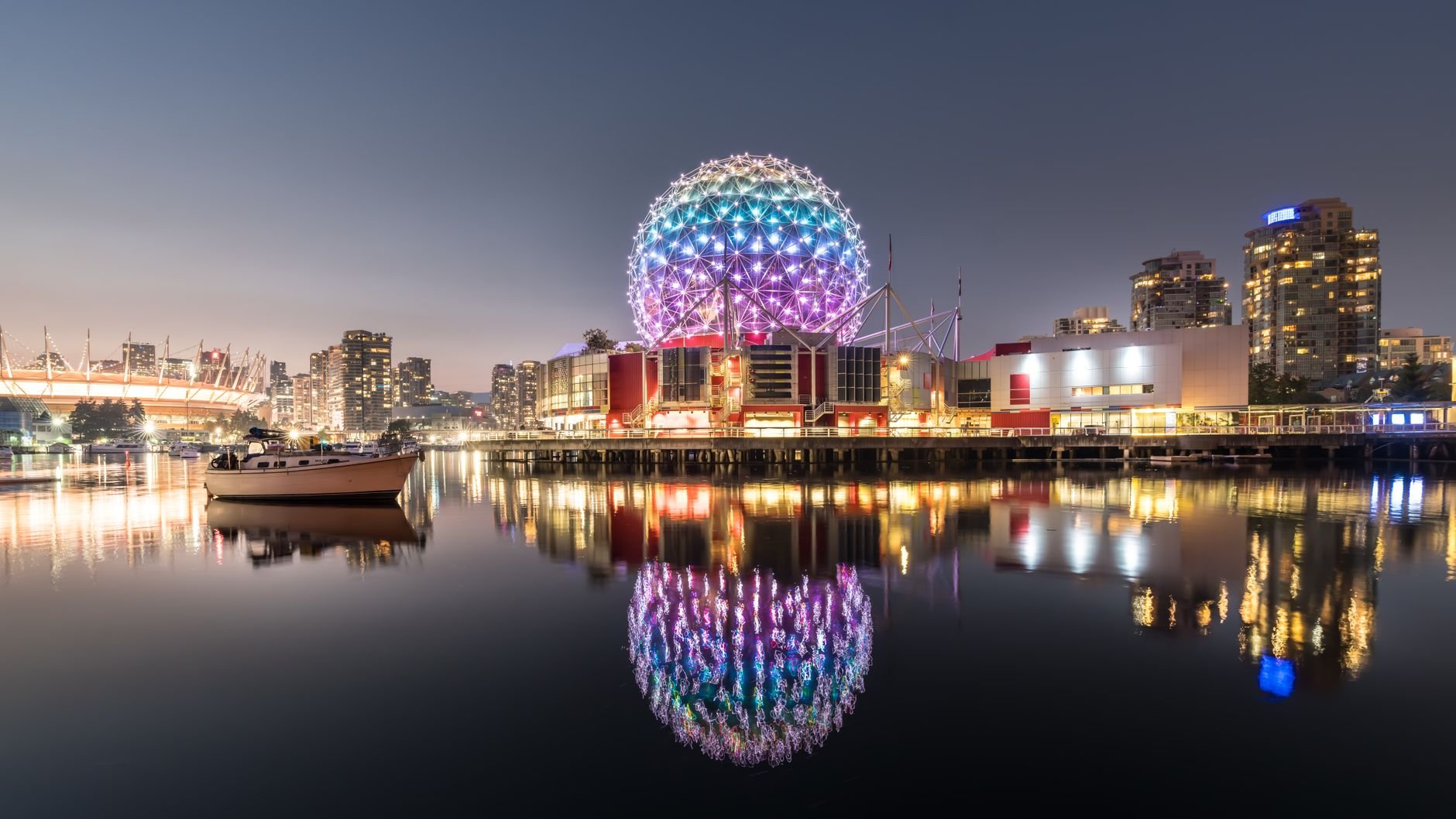
Science World at TELUS World of Science, with its famous geodesic dome, is a Vancouver landmark that sparks curiosity for millions. For visitors to Canada and the USA planning a trip to Vancouver in 2026, the question often arises: is a visit to Science World worth it? As seasoned Vancouver observers, we’ve seen Science World evolve over the years, and we’re here to provide an honest, detailed assessment, complete with practicalities and an all-in cost breakdown. This isn't just about what's inside; it's about how it fits into your Vancouver itinerary, your budget, and whether it delivers on its promise of engaging, hands-on science for all ages.
Our goal is to cut through the marketing and provide the concrete details you need to make an informed decision. We’ll cover everything from admission prices and exhibit highlights to parking headaches and SkyTrain strategies, ensuring you know exactly what to expect in 2026.
Let's get straight to it. Science World is a fantastic destination for specific demographics, but it's not a universal must-see for every visitor. It is unequivocally worth it for families with children aged approximately 3 to 12 years old. The interactive exhibits are designed to engage young minds, and the sheer volume of hands-on activities can easily fill a half to full day. Younger teens (13-15) might find some exhibits engaging, particularly the special feature exhibitions, but older teens and adults without children will likely find the experience less compelling unless they have a deep, specific interest in science or nostalgia for childhood visits.
Who should skip it?
Cheaper Alternative: For a taste of science and nature without the full Science World price tag, consider the Beaty Biodiversity Museum at UBC. It's smaller, focuses on natural history, and has a fascinating collection including a massive blue whale skeleton. Admission is significantly less (~$15-20 CAD per adult) and it offers a different, more academic, but still engaging, experience, particularly for those interested in biology and conservation. Another option is the Vancouver Aquarium in Stanley Park, which, while not strictly "science," offers an immersive educational experience focused on marine biology, often striking for all ages, though its admission is comparable to Science World.
Local Reality Check: Don't underestimate the energy drain of a full day at Science World with young children. Plan for breaks, pack snacks (though food is available for purchase), and be realistic about how long little ones can sustain enthusiasm. Weekends and school holidays are significantly busier; weekday mornings are generally the best time for a more relaxed visit.
Science World’s admission structure is fairly standard, but ancillary costs can quickly add up. Here’s what to expect for 2026:
| Category | Estimated 2026 Price (CAD) | Notes |
|---|---|---|
| Adult (19+) | ~$32 - $38 | General admission |
| Senior (65+) | ~$28 - $34 | Valid ID required |
| Youth (13-18) | ~$24 - $30 | |
| Child (3-12) | ~$20 - $26 | |
| Toddler (0-2) | Free | |
| Omnimax Film Add-on | ~$8 - $12 per person | Optional, but often recommended for a break. Check film schedules. |
| Parking (on-site) | ~$15 - $25 for 3-4 hours | Limited spots, fills quickly. See "Getting There" section. |
| Snacks/Lunch (for 4) | ~$50 - $80 | Cafeteria food is standard museum fare. Outside food permitted in designated areas. |
| Gift Shop (typical spend) | ~$20 - $50+ | Educational toys, souvenirs. Easy to overspend. |
All-in Cost Example (Family of 4: 2 adults, 2 children aged 5 & 8, with Omnimax, parking, and modest lunch):
This is a significant outlay for a single attraction. Planning to bring your own snacks and drinks can reduce the food budget considerably. Membership options are available if you plan multiple visits or are a Vancouver local, offering significant savings over time. For US visitors, remember the favorable exchange rate (e.g., $1 USD currently buys ~1.35 CAD), which can make these prices feel more palatable. Always check the official Science World website closer to your visit date for the most up-to-date pricing, as these are estimates for 2026.
Science World’s core experience revolves around its permanent galleries, supplemented by rotating feature exhibitions. Here's a breakdown of what makes it appealing for its target audience:
The Ken Spencer Science Park (Outdoors)
This outdoor area, often overlooked, is fantastic on a sunny day. It features oversized exhibits demonstrating principles of physics and engineering, like a massive water table, a human-sized hamster wheel, and various kinetic sculptures. It’s a great place for kids to burn off energy and engage with science in a less structured environment. Local Reality Check: This area is weather-dependent. On rainy days (which Vancouver has plenty of, especially outside summer), it might be less appealing or partially closed. Dress appropriately for the weather if you plan to utilize this space.
Eureka! Gallery
This is a perennial favourite for younger children. Think bubble stations, a giant pin screen, a "toddler town" play area, and various light and sound experiments. It’s loud, colourful, and highly interactive. This is where most of the 3-8 year olds will spend a significant amount of their time.
Wonder Gallery
A more recent addition, the Wonder Gallery focuses on early childhood development through play. It's specifically designed for children aged 0-5, offering sensory experiences, climbing structures, and imaginative play areas. If you're visiting with very young children, this space alone can justify a portion of the visit.
BodyWorks & Search Gallery
These galleries dig into human biology and natural sciences. BodyWorks has exhibits on the human body, health, and nutrition, while Search Gallery explores ecosystems and biodiversity. These areas tend to be a bit more text-heavy but still offer hands-on components. They are generally more engaging for the 8-12 age group and curious adults.
Feature Exhibitions
Science World regularly hosts rotating feature exhibitions, which can vary wildly in topic and quality. In previous years, these have included everything from dinosaur displays and Arctic expeditions to Star Wars costume exhibits. These are often the biggest draw for repeat visitors and can significantly enhance the experience for older children and adults. Always check the Science World website for the current feature exhibition before planning your trip, as this can be a deal-breaker for some.
Local Reality Check: While the permanent exhibits are robust, they don't change frequently. If you've visited Science World within the last 5-7 years, the core experience will be very similar. The feature exhibition is often what determines if a repeat visit is worthwhile. Don't assume a new visit will offer a completely fresh experience unless a major new exhibition is in place.
Planning a whole family trip? Science World is one of 25 picks in our guide to the things to do in Vancouver with kids, with ticket prices, free days out and rainy-day backups by age.
Science World is conveniently located at the eastern end of False Creek, making it highly accessible.
SkyTrain (Recommended)
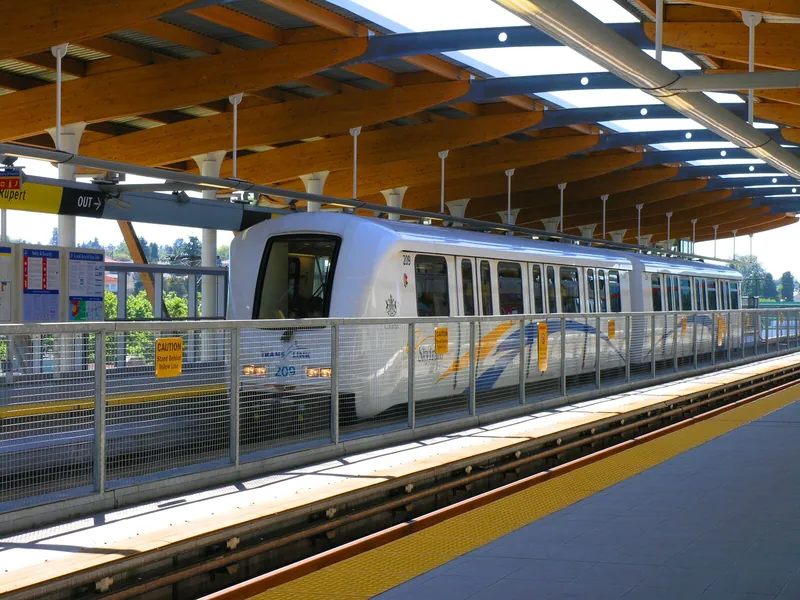
This is by far the easiest and most stress-free way to reach Science World. The Main Street-Science World SkyTrain Station is literally steps from the entrance.
Fare: A single adult fare within Vancouver's Zone 1 is ~$3.50 CAD (as of 2024, expect slight increases for 2026). You can pay with a contactless credit card (Visa, Mastercard, American Express) or mobile wallet directly at the fare gate, or purchase a Compass Card at any SkyTrain station. If you plan multiple TransLink trips, a Compass Card loaded with Stored Value or a DayPass (~$12.55 CAD) is often the most economical option.
Driving & Parking
Science World has a paid parking lot on-site, accessible from Quebec Street.
Local Reality Check: Vancouver traffic can be notoriously heavy, particularly during rush hour (7-9 AM, 3-6 PM weekdays). Driving to Science World during these times can add significant travel time. Factor this into your plans. If you're staying downtown, the SkyTrain is almost always faster and less stressful than driving and parking.
Cycling
Vancouver is a bike-friendly city. The False Creek Seawall path runs right past Science World, making it an excellent cycling destination. Bike racks are available on-site.
Optimizing your visit time can significantly enhance the experience, especially for families.
Local Reality Check: Science World can be an overwhelming sensory experience for some children (and adults) when it's packed. Loud noises, flashing lights, and jostling crowds are common during peak times. If you have children sensitive to sensory overload, plan your visit during off-peak hours or consider ear protection.
Science World understands visitors will spend several hours on site and provides appropriate amenities.
Triple O's Restaurant
Located on the main floor, Triple O's is a casual, family-friendly restaurant offering burgers, fries, milkshakes, and other fast-food staples. Prices are typical for a captive audience venue (~$15-20 CAD for a combo meal). It's convenient but not a culinary highlight.
Coffee Bar & Snacks
There are smaller kiosks offering coffee, pastries, and grab-and-go snacks throughout the facility. These are good for quick re-energizing but have limited selections.
Picnic Areas
Science World encourages visitors to bring their own food and beverages. There are designated picnic areas, both indoors and outdoors (weather permitting). This is a smart way to save money and cater to specific dietary needs. You can easily grab sandwiches from a nearby grocery store (like the large grocery store at the Olympic Village Canada Line station, one stop away) before your visit.
Washrooms & Accessibility
Restrooms are plentiful and well-maintained. Family restrooms and accessible washrooms are available. Science World is fully accessible for strollers and wheelchairs, with elevators to all floors.
Local Reality Check: While convenient, the on-site food options are not particularly diverse or value-driven. Packing your own lunch and snacks will save you money and potentially offer healthier choices. There are no other immediate restaurant options directly outside Science World besides a few coffee shops along Main Street, so plan accordingly if you intend to eat off-site.
Science World at TELUS World of Science remains a busy and engaging institution, particularly for its core audience of families with young children. Its hands-on exhibits, accessible location, and commitment to fostering curiosity make it a valuable educational experience. However, its significant admission price and potential for crowds mean it requires careful consideration for other visitor demographics.
For a family with children aged 3-12, planning to spend 3-5 hours, integrating an Omnimax film, and ideally visiting on a weekday, Science World is a solid investment in educational fun. For solo adult travelers or those on a tight budget or schedule, other Vancouver attractions will likely offer a more rewarding experience. By understanding the true costs, target audience, and best times to visit, you can confidently decide if Science World deserves a spot on your 2026 Vancouver itinerary.
Science World is best suited for families with children aged 3 to 12 years old. Younger teens might enjoy specific exhibits, but adults without children may find it less engaging.
For a family of four (2 adults, 2 children), expect an all-in cost of approximately $200-$250 CAD, including admission, parking, and modest food. Individual adult admission is ~$32-$38 CAD.
The SkyTrain (Expo or Millennium Line) to Main Street-Science World Station is the easiest and most recommended method. The station is directly adjacent to the entrance. Driving means navigating traffic and paying for potentially limited, expensive parking.
More to explore in Vancouver
 English
 Español
 Français
 Deutsch
 Українська