Ticks, Wasps, Mosquitoes & Bugs in BC — Prevention and Removal That Works
No bug in British Columbia is likely to kill you. But a tick you removed badly, a wasp nest under the picnic table, and a mosquito night that stopped you sleeping will all wreck a trip — and all three are preventable.
Updated 2026-09-27 · Official figures verified 2026-08-04 · Educational reference, not a substitute for certified training
Western blacklegged tick (*Ixodes pacificus*) — the coastal species and the only one here that transmits Lyme disease. Found on southern Vancouver Island, the Gulf Islands, the Sunshine Coast and the Lower Mainland, in tall grass, salal and brushy edges.
Rocky Mountain wood tick (*Dermacentor andersoni*) — the common interior and Kootenay tick. It does not carry Lyme, but it can transmit tick paralysis and, rarely, Rocky Mountain spotted fever and tularemia.
Season: March through June is peak, with a smaller autumn rise. Nymphs — poppy-seed sized and the ones you miss — are most active in late spring.
Lyme risk in BC is genuinely low. Provincial testing has consistently found roughly under 1% of western blacklegged ticks infected with *Borrelia burgdorferi*, and BC records only a small number of locally acquired cases each year. Compare that to Ontario, Nova Scotia or the northeastern United States, where infection rates in ticks run 20% and higher. That is a reason for calm, not for carelessness — check yourself anyway, because the tick you find in an hour is far less of a problem than the tick you find in three days.
Removing a tick — the only correct method
Use fine-pointed tweezers or a tick removal tool. Not fingers, not blunt eyebrow tweezers.
Grasp the tick as close to the skin as possible, by its mouthparts, not its body.
Pull straight out, steadily and firmly. Do not twist, do not jerk, do not rock it. It may take several seconds of steady tension.
Do not squeeze the body — squeezing can inject stomach contents into the wound, which is exactly the transmission you are trying to avoid.
Wash the bite with soap and water or alcohol, and wash your hands.
Save the tick in a sealed bag or container with a damp piece of tissue, and note the date and location. If symptoms develop, identifying the species matters.
If mouthparts break off and stay in the skin, try to remove them with the tweezers; if they will not come, leave them and let the skin expel them. They do not transmit disease on their own.
Never do these: burn the tick with a match, smother it in petroleum jelly or nail polish, or apply anything to make it "back out". All of these irritate the tick and make it regurgitate into the bite, increasing transmission risk. They are among the most persistent pieces of dangerous camping folklore.
See a doctor if: you develop an expanding red rash — a bull's-eye is classic but not required — fever, chills, headache, fatigue, muscle or joint aches, or facial droop, in the days to weeks after a bite. Bring the tick. Also seek care for any bite in which the tick was clearly engorged, meaning attached a long time.
Not getting bitten in the first place
Stay on the trail centre. Ticks quest from vegetation at knee height along edges; the middle of a wide trail is nearly tick-free.
Light-coloured clothing so you can see them, long sleeves, and trousers tucked into socks — it looks ridiculous and it works.
Permethrin-treated clothing is the most effective single measure. Treat trousers, socks and boots (never skin), and the treatment survives multiple washes.
Repellent on skin: DEET (20–30%) or icaridin (20%), both approved in Canada and both effective against ticks and mosquitoes. Icaridin is less greasy and does not damage plastics and synthetic fabrics.
Full body check within a couple of hours and again at night: behind the knees, groin, waistband, armpits, navel, hairline, behind and in the ears, and the back of the neck. Check children thoroughly — they get head and neck bites far more often than adults.
Check the dog. Dogs bring ticks into tents. A veterinary tick preventative through spring is worth it in the Lower Mainland and on the Island.
Tumble-dry clothing on high for 10 minutes when you get home; heat kills ticks where washing may not.
Wasps and hornets — the real BC campground problem
From late July through September, yellowjacket colonies peak and switch from feeding larvae to scavenging protein and sugar. That is why they appear at your picnic table in August and were absent in June.
Keep food covered and drinks closed. The classic BC injury is a wasp inside an open pop can, stinging the inside of a mouth or throat — potentially an airway emergency.
Bin lids closed, and do not put your hand into a garbage bin.
Scan before you set up. Yellowjackets nest in the ground, under picnic tables, in woodpiles, and in bank cavities. Bald-faced hornets build the grey paper footballs in trees.
Do not swat. A crushed wasp releases alarm pheromone that recruits the colony. Move calmly away.
If you disturb a ground nest, run — properly, 50 m or more, ideally into dense brush or downhill. Unlike bees, wasps can sting repeatedly and will pursue.
Treatment: cold pack, antihistamine, ibuprofen. Scrape a bee stinger off sideways rather than pinching it.
Anaphylaxis — swelling of the throat or tongue, difficulty breathing, widespread hives, collapse — is an epinephrine auto-injector immediately, then 911. See the first aid page. If anyone in the party carries one, everybody else must know where it is.
Mosquitoes, blackflies, no-see-ums
BC's mosquito season runs from spring melt through summer, and the worst of it is in the interior, the north and anywhere near standing water after a wet spring. Blackflies bite in running-water country in early summer; no-see-ums come through standard mesh at dusk near the coast.
The repellents that work: DEET and icaridin. Higher DEET concentrations do not repel better; they last longer. 30% is the sensible camping choice for adults. For children, Health Canada advises lower concentrations and less frequent application — read the label for the age.
Oil of lemon eucalyptus (PMD) is a legitimate plant-derived option for adults but is not recommended for young children.
Citronella candles, wristbands, ultrasonic devices and vitamin B1 do not work. Bug zappers kill mostly harmless insects and attract mosquitoes toward you.
Cover up at dawn and dusk, wear a head net in the north — it weighs 30 g and it saves an evening.
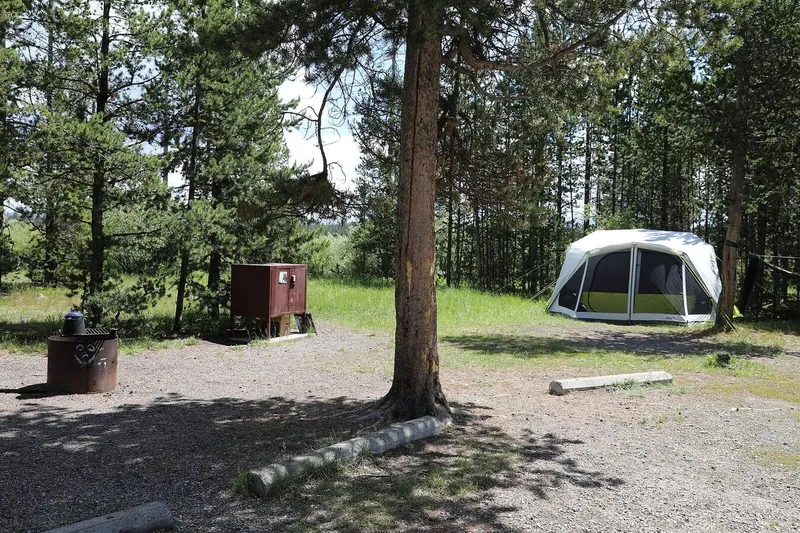
A tent with intact mesh is the actual solution. Check the mesh and zippers before the trip; one hole is one sleepless night.
Camp on a breeze, on a point or a ridge rather than in a still hollow next to a marsh.
After a bite: cold, antihistamine cream, and do not scratch — infected scratch wounds are the common complication.
West Nile virus exists in BC but locally acquired human cases are rare. Standard mosquito precautions cover it.
Frequently asked questions
How likely is Lyme disease from a tick bite in BC?
Low. Provincial surveillance has consistently found under about 1% of western blacklegged ticks in BC carrying the Lyme bacterium, and only a handful of locally acquired cases are reported each year — far below rates in eastern Canada and the northeastern US. Still remove ticks promptly and correctly, and see a doctor if a rash or flu-like illness follows.
What is the correct way to remove a tick?
Fine-pointed tweezers, grasp as close to the skin as possible at the mouthparts, and pull straight out with steady firm tension. Do not twist, squeeze the body, burn it, or smother it in jelly or polish — those all raise the chance of the tick regurgitating into the bite. Wash the site, save the tick, and note the date.
Why are there so many wasps at BC campgrounds in August?
Yellowjacket colonies peak in late summer and switch from feeding larvae to scavenging protein and sugar, which puts them on your picnic table. Keep food covered, keep cans and cups closed, close bin lids, and never swat one — crushing a wasp releases an alarm pheromone that brings the colony.
Which insect repellent works best for BC camping?
DEET at around 20–30% or icaridin at 20%, both approved in Canada and both effective on mosquitoes and ticks. Permethrin-treated clothing is the strongest tick measure. Citronella candles, wristbands and ultrasonic devices do not work.
Do I need to worry about mosquito-borne disease in British Columbia?
Very little. West Nile virus is present but locally acquired human cases are rare, and standard precautions — repellent, covering up at dawn and dusk, intact tent mesh — are sufficient. Mosquitoes in BC are a comfort and sleep problem far more than a health one.
Not legal or medical advice. Current regulations, park signage and professional training override this page. Emergency 911 · RAPP wildlife line 1-877-952-7277 · Report a wildfire 1-800-663-5555. Updated 2026-09-27.