FanVancouver · Local guide
Lynx and Bobcat in BC — Rare Sightings, Calm Exits
How to tell a Canada lynx from a bobcat, why encounters are not dangerous, what to do with dogs, and when a sighting is worth reporting.
FanVancouver · Local guide
How to tell a Canada lynx from a bobcat, why encounters are not dangerous, what to do with dogs, and when a sighting is worth reporting.
Home · BC Camping · Survival · Lynx & bobcat
Wildlife · Boreal forest · Identification
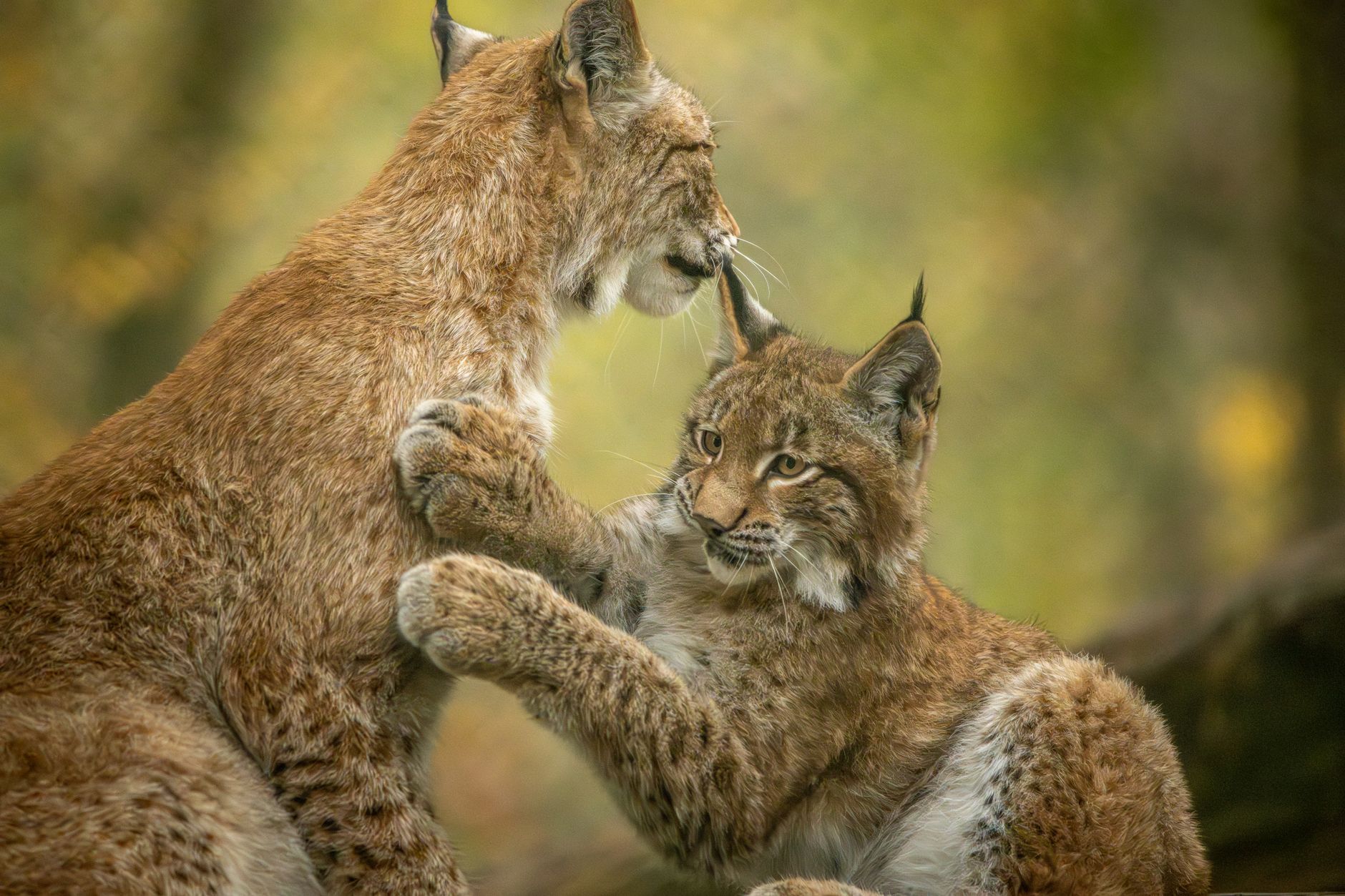
A lynx sighting is a gift, not an emergency. The practical work here is identification, keeping your dog out of it, and not turning a rare animal into a habituated one.
Three medium wildcats can be confused in BC, and telling them apart changes how seriously you take the sighting.
| Feature | Canada lynx | Bobcat | Cougar |
|---|---|---|---|
| Weight | 8–14 kg | 6–13 kg | 40–80 kg |
| Tail | Very short, tip solid black all round | Short, black on top only, white beneath | Long — roughly a third of total length |
| Ear tufts | Long, obvious, 4 cm+ | Short | None |
| Feet | Huge, snowshoe-like | Normal cat proportions | Large, round |
| Where in BC | Interior and northern forests, higher elevations | Southern BC, drier valleys, lower elevations | Southern third of BC, Vancouver Island |
The tail tip is the reliable field mark between lynx and bobcat. The size difference with a cougar is not subtle — if you are unsure whether you saw a lynx or a cougar, you saw a cougar, and you should read the cougar protocol.
Canada lynx populations rise and fall with snowshoe hare cycles on a roughly ten-year rhythm. In a hare peak year you may see lynx on forest roads at dusk in the Cariboo, Omineca or Peace regions; in a crash year you will see none at all.
Lynx are not considered a danger to adults. The rare problem animal is a sick one — a lynx that is emaciated, staggering, out in bright daylight in an open area, or unafraid at close range may have rabies or advanced disease. Leave immediately and report it to RAPP, 1-877-952-7277.
BC Parks' viewing rules apply to lynx as to any wildlife: keep your distance, use a telephoto lens or binoculars, and never call, whistle or throw anything to make an animal look at the camera. If the animal changes what it was doing because of you, you are too close.
Never take a selfie with wildlife. In a province where a habituated animal usually ends up dead, the photo is not worth what it costs the animal.
The Canada lynx is a boreal and montane forest cat, and its distribution in BC follows one animal almost exactly: the snowshoe hare. Where hares are dense, lynx are present; where hare numbers crash, lynx disperse, starve or move hundreds of kilometres.
The BC lynx population rises and falls on a roughly ten-year cycle driven by hare abundance. In a hare peak year, sightings around interior campgrounds go up noticeably, and so do reports of thin, bold-looking young lynx dispersing into unfamiliar country in the crash year that follows.
You will find the sign far more often than the animal.
| Feature | Lynx | Cougar | Coyote |
|---|---|---|---|
| Track width | 7–10 cm, often larger in snow | 8–10 cm | 5–6 cm |
| Shape | Round, fuzzy-edged, indistinct toes | Round, crisp, asymmetric | Oval, longer than wide |
| Claw marks | None | None | Usually visible |
| Gait | Direct register walk, huge for the body | Direct register walk | Trotting, straight line |
| Habitat clue | Snowshoe hare runs, dense conifer | Deer trails, benches, rimrock | Edges, roads, meadows |
Lynx tracks look enormous for the size of the cat — the paws are snowshoes, spreading to carry a 10 kg animal over powder that a coyote sinks into. In deep snow that spread is the giveaway. Other sign: hare kill sites with fur and little else, scrapes and scent posts along logs, and beds in the lee of blowdown.
There is no lynx protocol in the way there is a bear protocol, because there is no realistic threat to manage. What there is, is a set of habits that keep the animal wild.
Not in any practical sense. A Canada lynx weighs 8–14 kg and specialises in snowshoe hares. Keep your dog leashed, give the animal room, and the encounter ends by itself.
The tail. A lynx's tail tip is solid black all the way around; a bobcat's is black on top and white underneath. Lynx also have much longer ear tufts and oversized snowshoe-like feet.
Interior and northern forests — the Cariboo, Omineca, Peace and Skeena regions — at dawn and dusk, and far more often in years when snowshoe hare numbers are high.
No. Canada lynx are absent from Vancouver Island. A short-tailed wild cat seen on the Island is a bobcat, or far more often a large domestic cat. Lynx in BC live in interior and northern conifer forest where snowshoe hares are dense.
There is no record of a healthy wild lynx killing anyone in BC, and attacks anywhere in Canada are vanishingly rare and generally involve sick or cornered animals. A lynx weighs 8–14 kg, hunts snowshoe hares, and treats humans as something to leave.
Both are round with no claw marks, but lynx tracks look far too big for the animal because the paws work as snowshoes, and the edges look fuzzy and indistinct in snow. Cougar tracks are crisper and asymmetric, and are found along deer trails and benches rather than in dense hare habitat.
Not legal or medical advice. Current regulations, park signage and professional training override this page. Emergency 911 · RAPP wildlife line 1-877-952-7277 · Report a wildfire 1-800-663-5555. Updated 2026-09-27.
More BC camping