FanVancouver · Local guide
Cougar Safety in BC — Encounter Rules for the Animal You Won't See
Where cougars live in British Columbia, why children are most at risk, the BC Parks encounter sequence, dogs, and how to fight back.
FanVancouver · Local guide
Where cougars live in British Columbia, why children are most at risk, the BC Parks encounter sequence, dogs, and how to fight back.
Home · BC Camping · Survival · Cougars
Wildlife · Children · Dogs · Fight back
Cougar encounters are extremely rare and can be deadly. The response is close to the opposite of bear protocol — you must convince the animal you are a threat, not prey, and you never play dead.
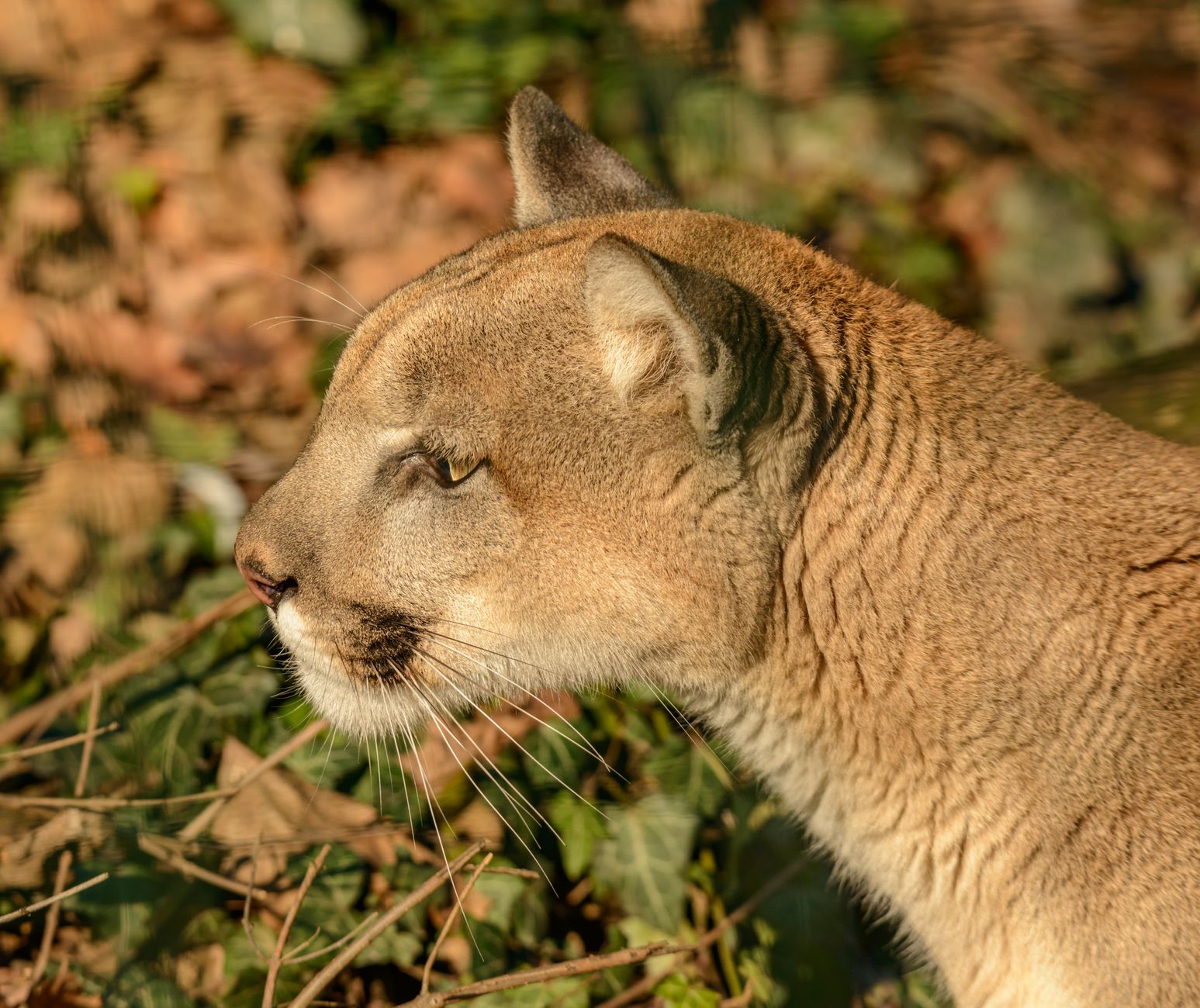
The cougar (*Puma concolor*) is BC's largest wildcat: tawny to grey-brown, around 2.5 m long including the tail, with adult males commonly 60–80 kg. Most of the province's population lives in the southern third of BC, with Vancouver Island holding one of the densest concentrations in North America. Deer are the primary prey, so cougar country and deer country are the same map.
They are ambush hunters. They stalk, close the distance in cover, and attack from behind and above, aiming for the neck. Everything in the protocol below exists to break one of those three conditions: they lose interest when they are seen, when the target faces them, and when the target looks too large and too committed to be worth the injury risk.
Cougars are most active at night, dawn and dusk. That is the single most useful scheduling fact on this page.
Cougar incidents in BC involve children out of all proportion to their numbers on trails. The reason is mechanical, not mystical: a child is roughly deer-sized, moves unpredictably, makes high-pitched sounds, and often travels 20 m ahead or behind the adults on a trail.
Dogs. An off-leash dog in cougar country is at risk itself and can bring a cougar back to you at a run. Leash it. If your dog is attacked, understand that intervening puts you inside a predation sequence — most owners will intervene anyway, so carry spray and be prepared to be loud and violent rather than heroic and quiet.
Trail running and mountain biking. Both compress the animal's decision time and produce exactly the fleeing-prey signal that triggers pursuit. BC Parks advises against hiking, biking and running at night. If you run in cougar country, run in daylight, in a group, and stop and face any animal you see rather than accelerating.
Camp discipline. Do not leave pet food outside. Do not leave a dog tied out overnight. Clean fish away from the site and dispose of the remains as the park directs — fish scent draws prey species, and prey species draw cougars.
You will almost never see the cougar. You may see its work.
If you find a cache near a campground or a busy trail, call it in to RAPP, 1-877-952-7277. It is a legitimate public-safety report and staff will act on it.
No. Never. Playing dead is a technique for defensive bear encounters. A cougar that makes contact is hunting, so the only correct response is to fight back — keep it in front of you and attack the face and eyes with whatever you have.
Extremely unlikely. BC Parks calls encounters 'extremely rare', and attacks rarer still — but it also notes they can be deadly, with children particularly at risk. The rarity is the reason to know the protocol cold rather than to ignore it: you get one attempt with no warm-up.
Mostly the southern third of the province, and Vancouver Island in particular, which has one of the highest cougar densities in North America. Anywhere with a strong deer population is cougar habitat.
Night, dawn and dusk. Scheduling your hiking, running and cycling for mid-morning through late afternoon is the cheapest single risk reduction available.
Not legal or medical advice. Current regulations, park signage and professional training override this page. Emergency 911 · RAPP wildlife line 1-877-952-7277 · Report a wildfire 1-800-663-5555. Updated 2026-09-27.
More BC camping