FanVancouver · Local guide
BC Survival Hub — 17 field manuals for British Columbia
Bear, cougar and wolf encounters, wilderness first aid, shelter, water, fire, foraging, fishing, river crossings and winter safety in British Columbia.
FanVancouver · Local guide
Bear, cougar and wolf encounters, wilderness first aid, shelter, water, fire, foraging, fishing, river crossings and winter safety in British Columbia.
Home · BC Camping · Survival
Wildlife · First aid · Fire · Water · Food · Navigation
Written for the conditions that actually hurt people in British Columbia: coastal rain at +5 °C, a black bear that learned about coolers, a glacial creek that doubled by dinner time, and a phone with no signal. Every number on these pages comes from an official BC or federal source, checked 2026-08-04.
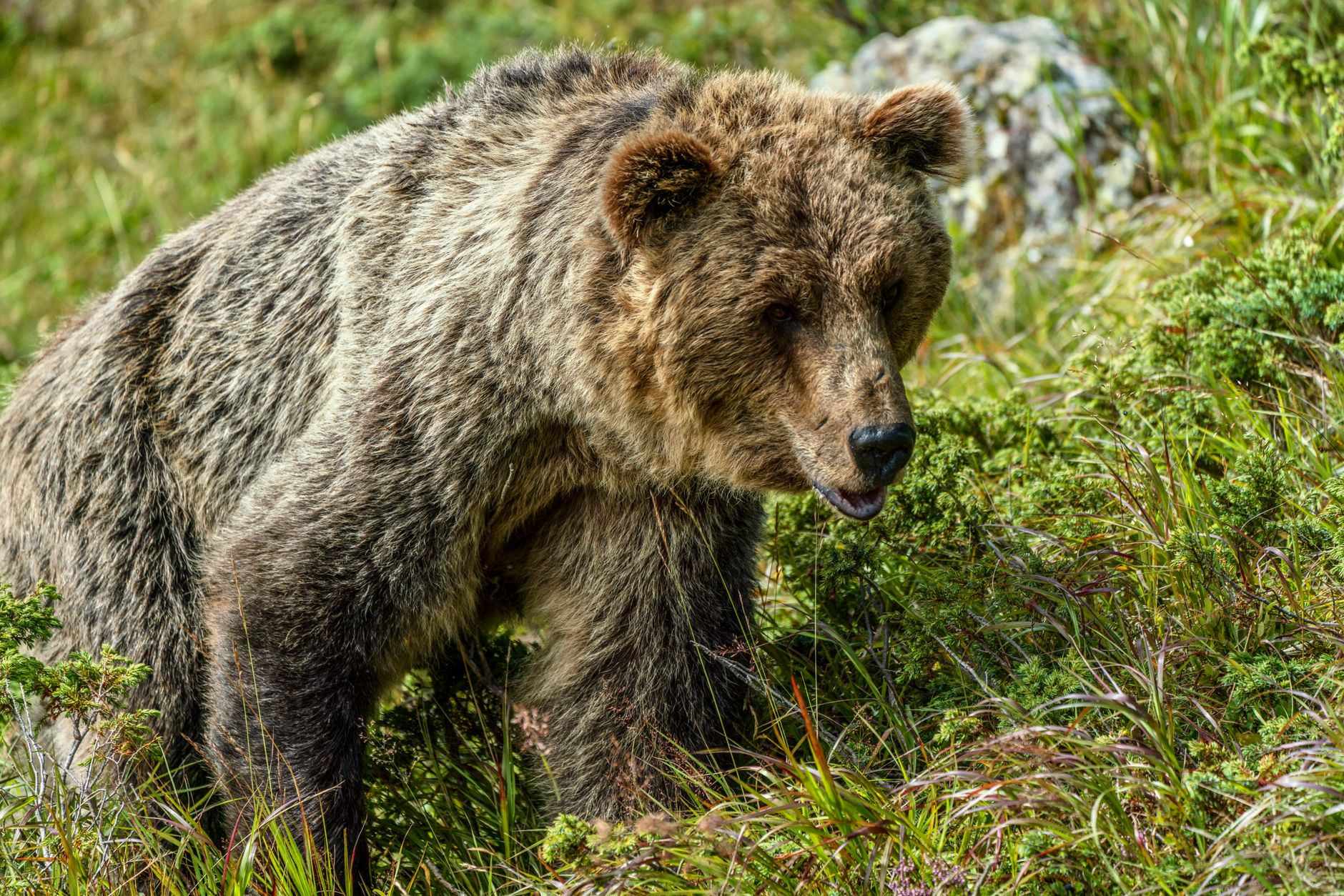
The official BC Parks encounter sequence, spray range, frontcountry vs backcountry food rules, and what to do when you are knocked down.
Open field manual →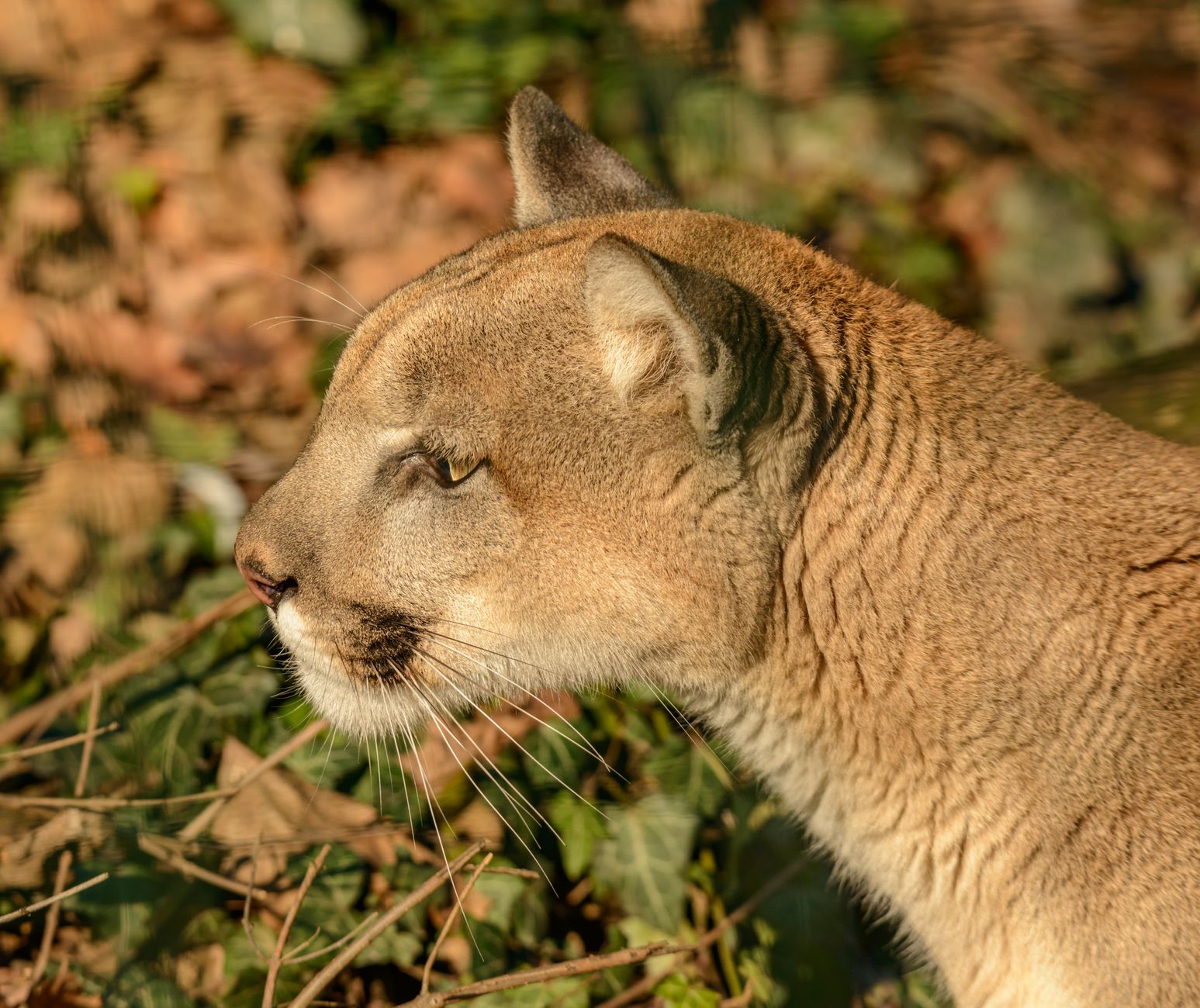
Why the response is the opposite of bear protocol: face it, get big, show teeth, and never play dead.
Open field manual →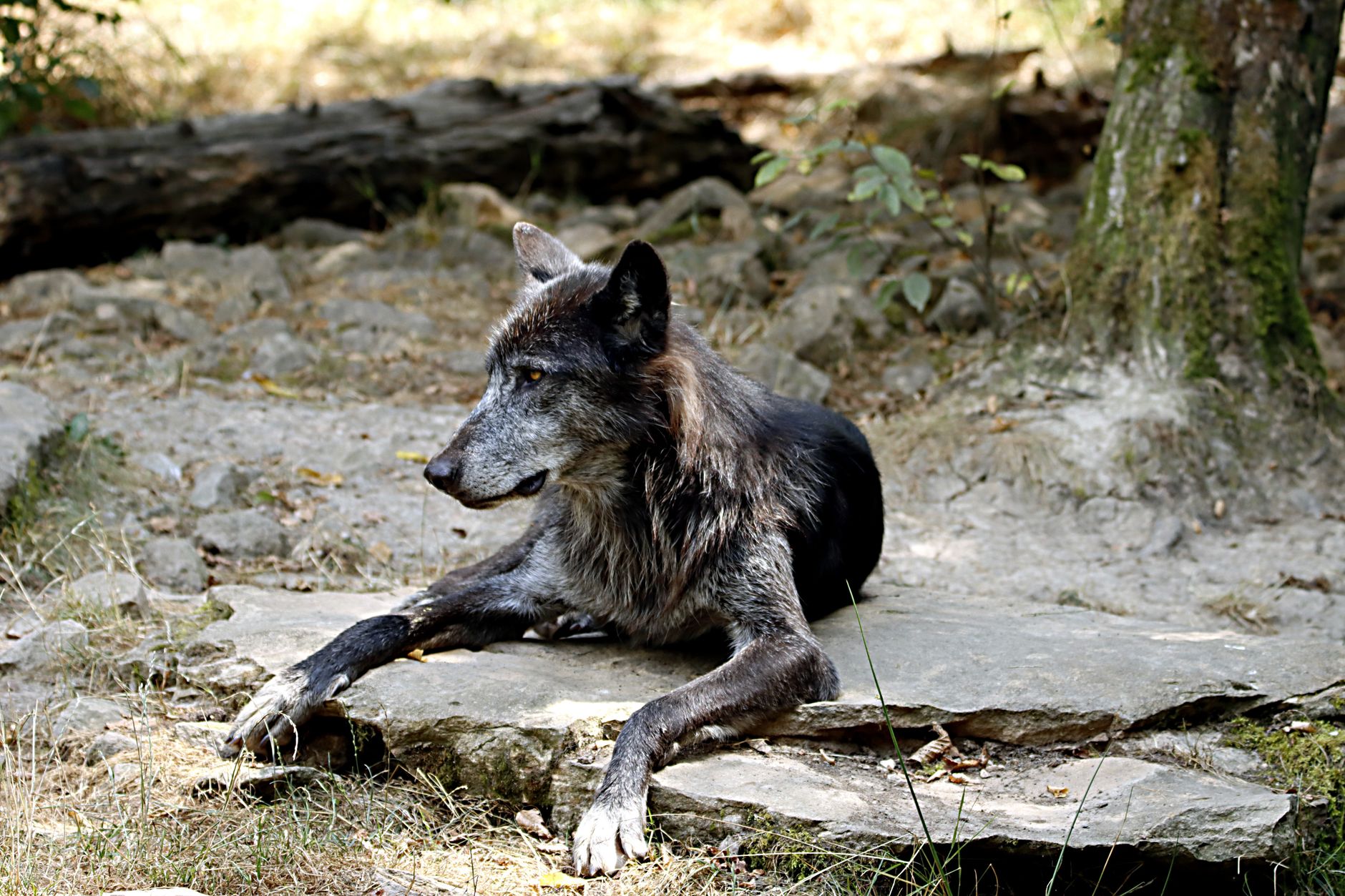
Healthy wolves avoid people. The trouble is habituation, coastal beach camps and dogs — plus the 100 m rule.
Open field manual →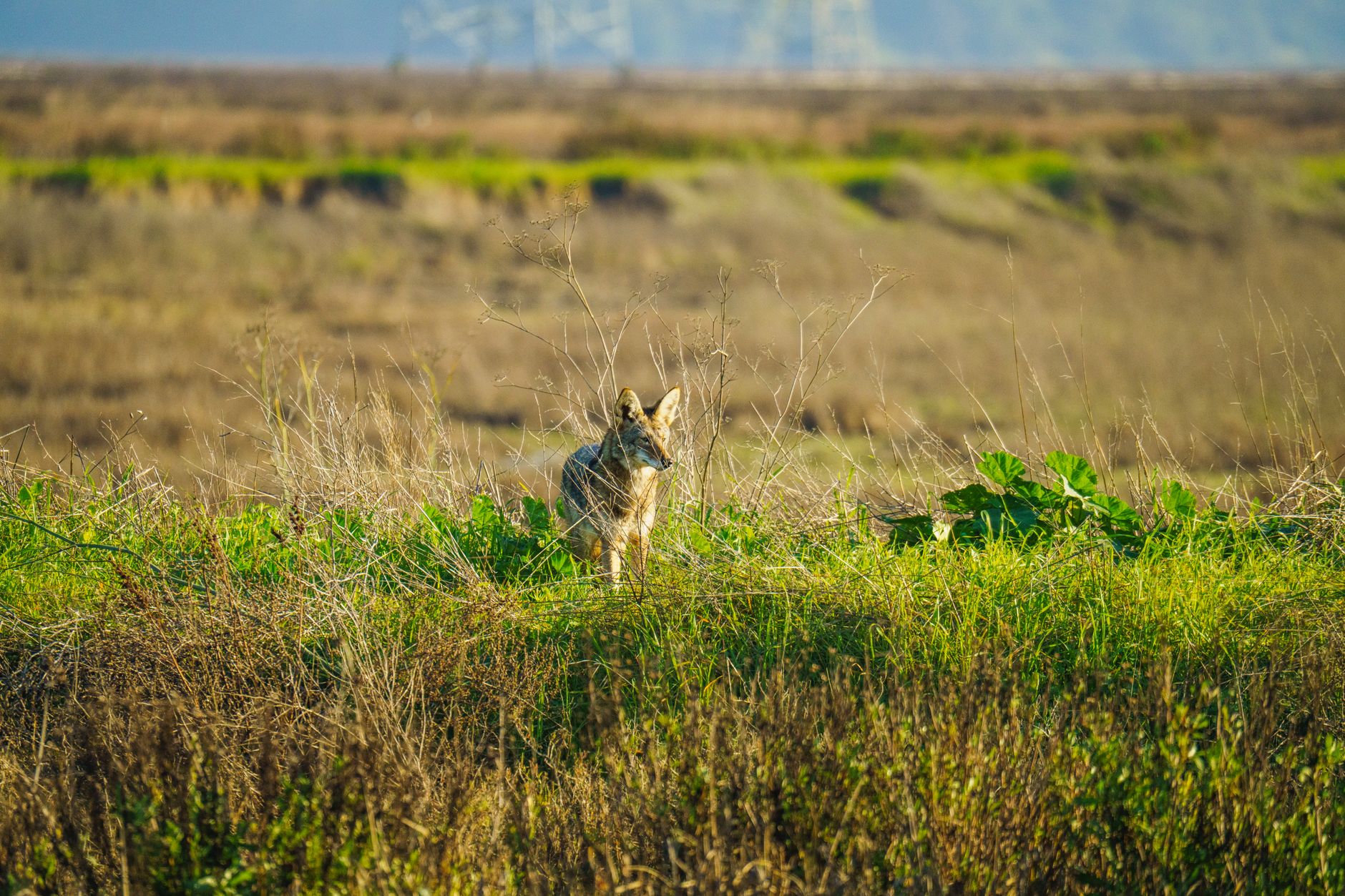
The animal you're most likely to actually meet. Hazing done properly, pet protection, and why Vancouver's 2021 park attacks happened.
Open field manual →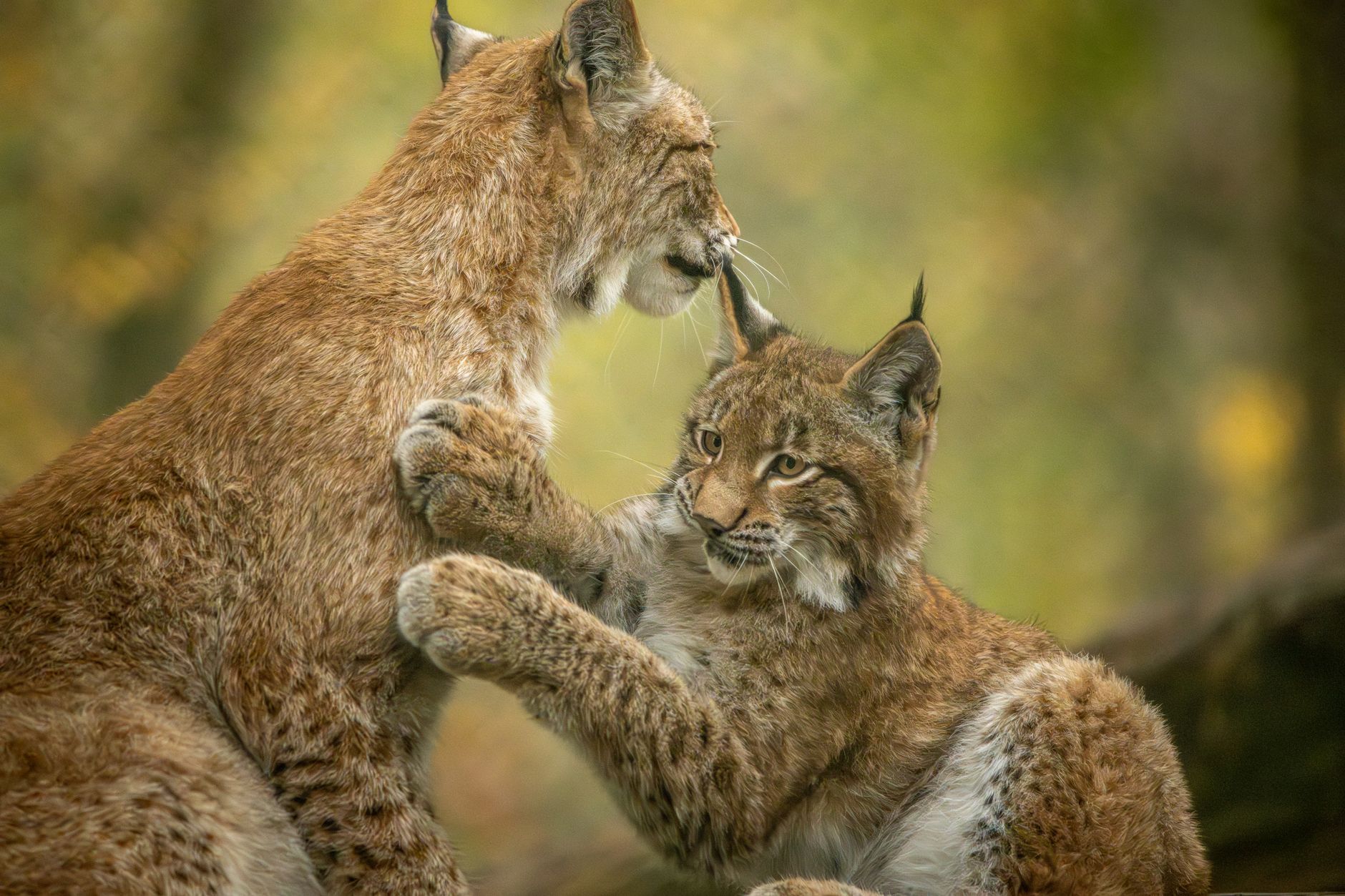
How to tell a lynx from a bobtail cougar rumour, why they are almost never a threat, and the one situation that needs distance.
Open field manual →
Correct tick removal, Lyme risk in BC, wasp season, mosquito defence and what actually repels them.
Open field manual →
Bleeding, hypothermia, anaphylaxis, burns and fractures a long way from an ambulance — plus the evacuation decision.
Open field manual →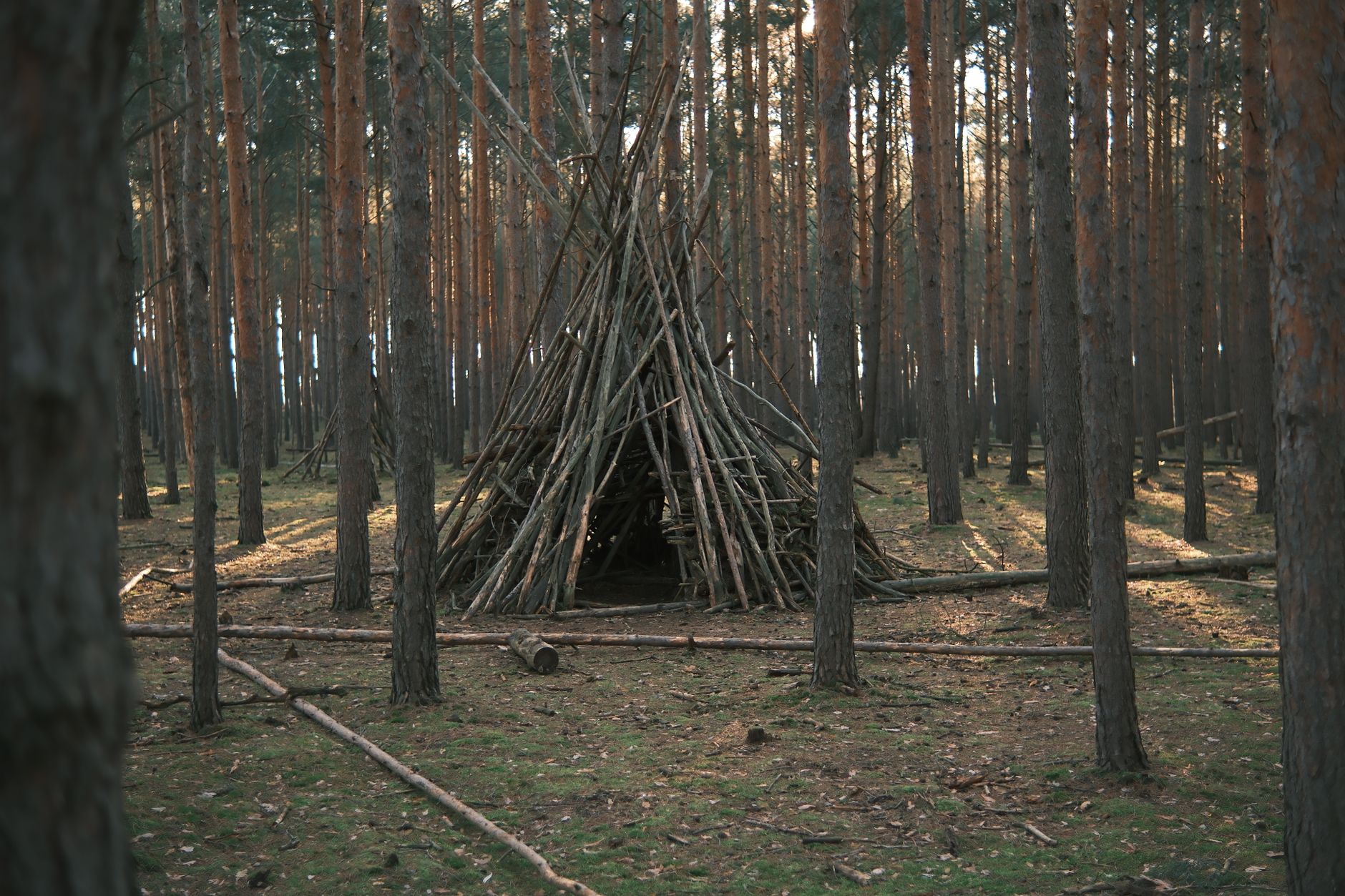
Wet plus wind at +5°C kills more people in BC than every predator combined. Tarps, vehicles, debris huts and the ground you sleep on.
Open field manual →
Giardia is real, clear water lies, and the boil time is shorter than you were told. Filters, chemicals, snow and glacial silt.
Open field manual →
The $1,150 ticket, the fire categories explained, and how to get flame out of soaked coastal wood.
Open field manual →
What a helicopter can and cannot see, whistle and mirror technique, ground-to-air symbols, and why calling early is free.
Open field manual →
What is genuinely safe to eat in coastal and interior BC, the plants that kill, and why foraging is a supplement rather than a survival plan.
Open field manual →
The licence you legally need, the tackle that actually catches BC fish, and how to handle a catch in bear country.
Open field manual →
Paralytic shellfish poisoning, sanitary closures, and the two checks you must make before eating anything you dug on a BC beach.
Open field manual →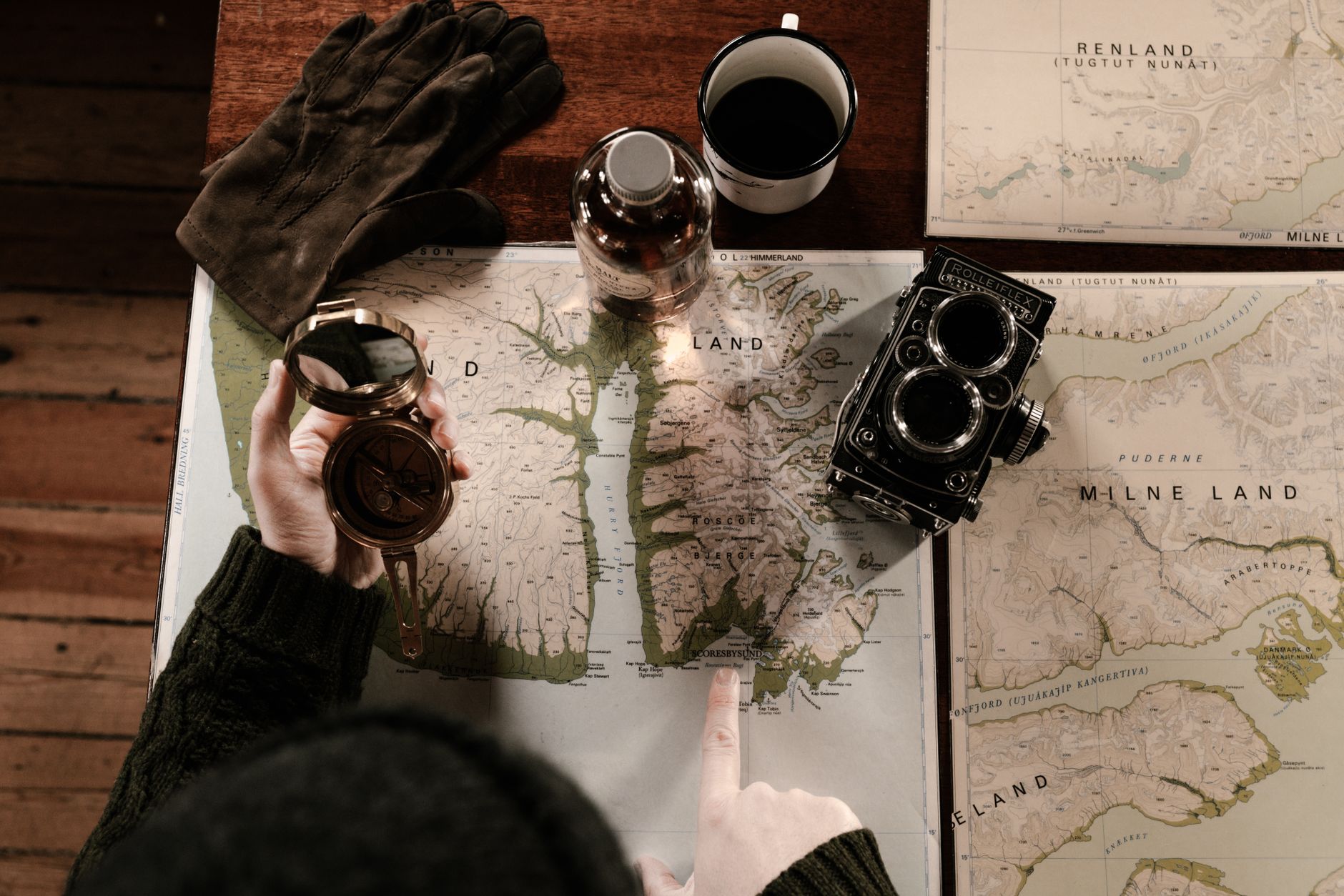
The 16–20° declination that sends people the wrong way, offline maps done properly, and what to do when you realise you're lost.
Open field manual →
Glacial melt timing, reading a crossing, technique for solo and group, and what to do if you are swept.
Open field manual →
Staying warm below freezing, the avalanche training and gear that are non-negotiable, and the fuel and stove maths people get wrong.
Open field manual →| What | Number |
|---|---|
| Report a wildfire | 1-800-663-5555, or *5555 from a cell |
| BC Wildfire information line | 1-888-336-7378 |
| Burn registration | 1-888-797-1717 |
| Report dangerous wildlife (RAPP) | 1-877-952-7277, or #7277 on TELUS Mobility |
| BC Parks reservations | 1-800-689-9025 (Canada/US), 1-519-858-6161 (international) |
| Emergency | 911 |
Search and rescue in British Columbia is carried out by volunteer SAR groups and is not billed to the person rescued. Nobody should delay a call over cost.
If you are in immediate danger, call 911. Report aggressive or habituated wildlife to the Conservation Officer Service RAPP line, 1-877-952-7277, or #7277 on TELUS Mobility. Updated 2026-09-27.
More BC camping