Winter Camping & Avalanche Safety in BC — Cold, Snow and Real Risk
Winter camping in BC is the most rewarding version of the sport and the least forgiving. The margins that a summer trip absorbs — a damp jacket, a dead lighter, a late start — are the ones that end winter trips badly.
Updated 2026-09-27 · Official figures verified 2026-08-04 · Educational reference, not a substitute for certified training
Avalanche terrain: the part that is not negotiable
Most avalanche fatalities in Canada happen in British Columbia, and they overwhelmingly involve people who triggered the slide themselves. This is not bad luck; it is a knowledge problem with a known solution.
Before every winter trip into or below mountainous terrain:
Read the current forecast at avalanche.ca. Avalanche Canada publishes daily regional forecasts with a danger rating for alpine, treeline and below-treeline elevations, plus the specific avalanche problems in play. Read the problem descriptions, not just the colour.
Check the Avalanche Terrain Exposure Scale (ATES) rating for your route — simple, challenging or complex. Many BC trails and huts have published ratings.
Carry a transceiver, probe and shovel — one each, per person — and know how to use them. A transceiver in a pack of people who cannot search is decoration. Buried-victim survival drops sharply after about 10 minutes, so rescue is your own party's job, not a helicopter's.
Take AST 1. Avalanche Skills Training 1 is a two-day course with a field day, widely available across BC, and it is the entry price for winter mountain travel here. AST 2 follows for those making route decisions.
Travel one at a time across suspect slopes, watch each other, and choose terrain that avoids the problem instead of trying to out-assess it.
Snowshoeing and touring on low-angle, well-treed, non-avalanche terrain is a genuine and lovely alternative — but you must know how to identify it, including recognising that you can be caught by a slope you are merely standing beneath. Slopes of roughly 30–45° produce most avalanches; runout zones extend far below them.
Staying warm: the systems that work
Layering
Base: merino or synthetic. No cotton, anywhere, ever in winter — see the shelter page.
Mid: fleece or a light synthetic puffy that you move in.
Belay parka: an oversized down or synthetic jacket that goes on over everything the moment you stop moving. This single habit prevents most winter cold problems.
Shell: waterproof-breathable, hood that fits over a hat, pit zips.
Extremities: two hats, liner gloves plus mitts (mitts are warmer than gloves), a buff, and vapour-barrier or waterproof socks if you sweat heavily.
Sleeping
Two pads, not one. A closed-cell foam pad under an inflatable, with a combined R-value of 5 or more for BC winter. Ground conduction, not air temperature, is what makes people cold at night — this is the most commonly skipped piece of winter gear.
Bag rated 5–10°C below the coldest night you expect. Comfort ratings, not "extreme" ratings.
Eat a fatty snack in the bag and go to bed warm — the bag does not heat you, it retains what you produce.
A hot water bottle (a leak-proof Nalgene, not a hydration bladder) at your feet is transformative, and in the morning it is unfrozen drinking water.
Pee before you sleep and keep a pee bottle. Holding urine burns real calories keeping it warm, and leaving the bag at 3 am costs more.
Sleep with tomorrow's electronics, boot liners, contact lenses and water filter — filters are destroyed by freezing, and a frozen boot liner in the morning is a lost day.
Camp craft
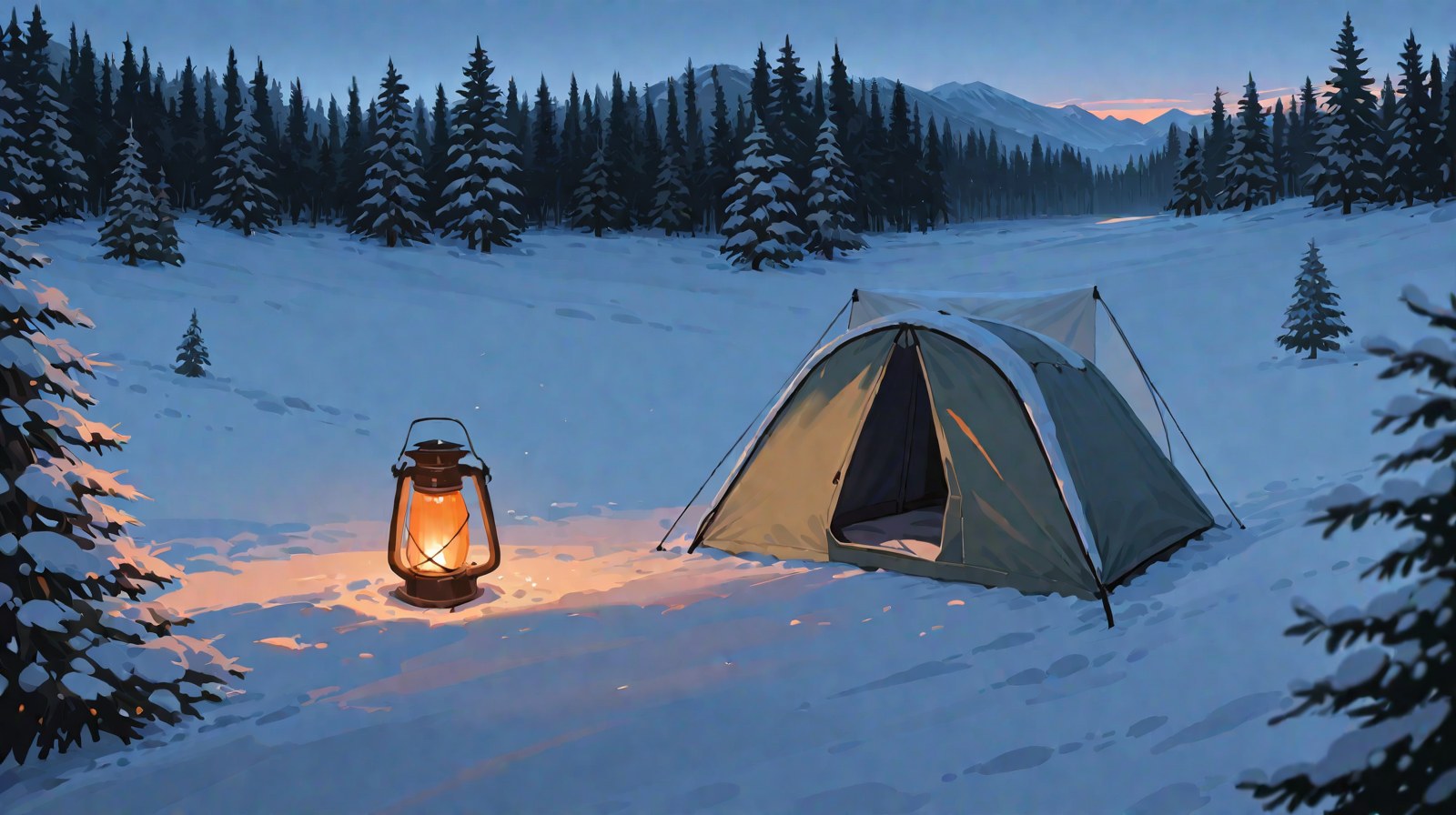
Stamp out your platform and let it sinter for 20–30 minutes before pitching; unsintered snow collapses into hollows under you.
Dig a cook pit in front of the vestibule so you can sit with your legs down.
Build a wind wall from blocks if you are exposed.
Brush snow off everything before it enters the tent. Snow inside becomes water inside.
Fuel, stoves and carbon monoxide
Plan two to three times the fuel of a summer trip. In winter you melt snow for every litre of water, and melting is expensive — always start with a little liquid water in the pot, never a pot of dry snow, or you will scorch it and waste fuel.
Liquid-fuel stoves (white gas) work reliably in deep cold. Canister stoves lose pressure below freezing; use an inverted-canister remote stove designed for liquid feed, or keep the canister warm inside your jacket and swap between two.
Insulate the pot and the stove base from the snow.
Lighters fail in the cold. Carry a ferro rod and storm matches, and keep a lighter in an inside pocket against your body.
Carbon monoxide kills winter campers every year. Cooking inside a closed tent, in a snow cave, or in a vehicle with a blocked exhaust produces CO you cannot smell or see, and it makes you sleepy before it makes you alarmed. Cook in the vestibule with both ends open and real cross-ventilation, never in a sealed shelter. If you build a quinzhee or snow cave, punch a ventilation hole and keep it clear, and keep a shovel inside with you.
Also: never run a vehicle for heat with snow around the exhaust, and check the tailpipe every time you clear the car.
Water, food and the daylight budget
You dehydrate faster in winter, not slower. Cold, dry air and heavy breathing pull water out of you and you feel no thirst. Drink deliberately.
Carry bottles upside down in an insulated sleeve — ice forms at the top, so an inverted bottle stays openable. Wide mouths beat narrow. Hydration bladder hoses freeze; leave them at home in winter.
Calories are heat. Plan 4,000–5,000 kcal a day for an active winter trip, weighted toward fat. Choose food that stays edible frozen: cheese, salami, nuts, chocolate, butter in the hot meal. Energy bars become bricks — keep tomorrow's inside your jacket.
Daylight is the real constraint. In BC in December you may have eight hours of usable light. Camp is set an hour before dark, not at dark. Everyone carries a headlamp with fresh batteries and a spare set kept warm — cold destroys battery capacity, and lithium cells handle it far better than alkaline.
Frostbite watch: white, waxy, numb patches on cheeks, nose, ears, fingers and toes. Rewarm against skin or in 37–39°C water, never with direct heat or by rubbing. Do not rewarm a foot if there is any chance it will refreeze before you are out — walking out on a frozen foot is survivable, refreezing a thawed one is not.
Winter camping in BC parks, practically
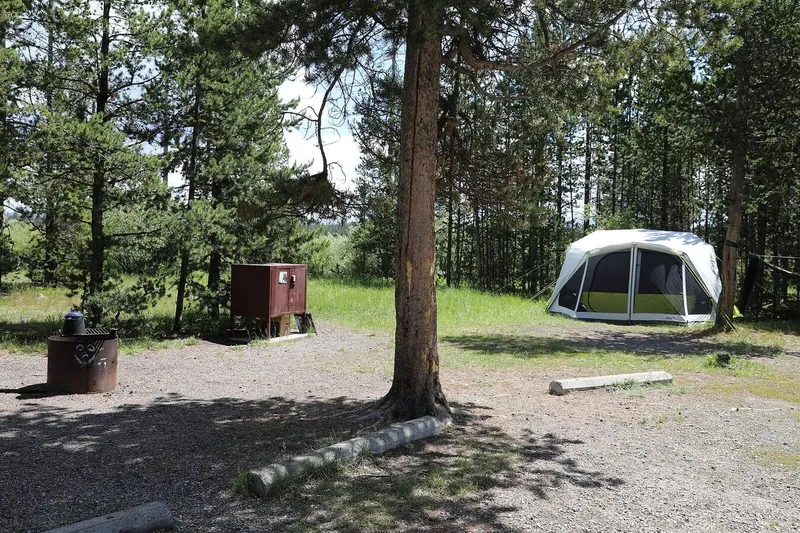
Many BC Parks campgrounds stay open through winter in a reduced form: gates may be closed with walk-in access, water systems are shut off, and most services are suspended. Winter camping fees are lower than summer rates and many parks drop to a self-registration model. Check the specific park page for winter operating status before you drive — a plowed access road is not guaranteed.
Practical points:
Snow-covered forest service roads need winter tyres, chains, a shovel and the sense to turn around. Cell coverage is often absent.
Tell somebody your plan and your turnaround time. In winter the margin between "late" and "emergency" is short. See the signalling page.
Fire restrictions are usually absent in winter, but the ground may still be usable only where a fire ring is clear of snow — build on a platform of green logs or rock, never directly on deep snow, where the fire simply sinks and drowns.
Start with a car-accessible winter night at a park an hour from home before committing to a backcountry trip. Every system you use fails differently in the cold, and you want to find that out 20 m from a running vehicle.
Frequently asked questions
What avalanche gear do I need in British Columbia?
A transceiver, a probe and a shovel — one of each, per person — plus the training to use them, because buried-victim survival falls sharply after roughly ten minutes and rescue is your own party's job. Read the daily forecast at avalanche.ca before every trip and take an AST 1 course before travelling in avalanche terrain.
Why am I cold at night even in a good sleeping bag?
Almost always ground conduction. A single inflatable pad is not enough below freezing — use a closed-cell foam pad under an inflatable for a combined R-value of 5 or more, go to bed warm after eating something fatty, and put a hot water bottle in the foot of the bag.
Can I cook inside my tent in winter?
Not in a closed tent, snow cave or quinzhee — carbon monoxide is odourless, kills winter campers every year, and makes you sleepy before it alarms you. Cook in the vestibule with both ends open and genuine cross-ventilation, and keep any snow shelter's vent hole clear.
How much stove fuel do I need for winter camping?
Two to three times a summer trip, because every litre of water is melted from snow. Use a liquid-fuel or inverted-canister remote stove, since upright canister stoves lose pressure below freezing, and always start melting with a little liquid water already in the pot.
Are BC Parks campgrounds open in winter?
Many stay open in a reduced winter form with lower fees, no water service, closed gates with walk-in access and suspended services. Operating status and road access vary by park and change with conditions, so check the specific park page before you drive.
Not legal or medical advice. Current regulations, park signage and professional training override this page. Emergency 911 · RAPP wildlife line 1-877-952-7277 · Report a wildfire 1-800-663-5555. Updated 2026-09-27.