FanVancouver · Local guide
Wilderness First Aid in BC — What to Treat, What to Evacuate
Severe bleeding, hypothermia and heat illness, anaphylaxis, burns and fractures, the kit that matters, and when to call for evacuation.
FanVancouver · Local guide
Severe bleeding, hypothermia and heat illness, anaphylaxis, burns and fractures, the kit that matters, and when to call for evacuation.
Home · BC Camping · Survival · First aid
Medical · Bleeding · Anaphylaxis · Evacuation
In a BC campground an ambulance may be forty minutes away. On a forest service road it may be four hours and a helicopter. Everything below is written for that gap.
Before you touch anyone, run the sequence. It takes fifteen seconds and it prevents the two classic errors: becoming a second casualty, and treating a scraped knee while somebody bleeds out.
A commercial tourniquet (CAT or SOFTT-W) costs about $40 and weighs 80 g. If your group carries an axe, a saw or a chainsaw, or you paddle whitewater, carry one and learn it.
Covered in depth on the shelter page. The short version: watch for the "-umbles" — stumbles, mumbles, fumbles, grumbles. Shivering stopping is deterioration, not recovery. Get them out of the wind, strip wet clothing, insulate above and below, wrap the head, and give warm sweet drinks only if fully alert. Handle a severely hypothermic person gently; rough handling can trigger cardiac arrest.
The BC Interior hits 40°C, and the 2021 heat dome killed hundreds of people in this province. This is not a desert-only problem.
Wasps become aggressive in BC from late July through September, and a nest under a picnic table is a routine campground event. Most stings are painful and nothing more. Anaphylaxis is different and fast.
Recognise it: swelling of the lips, tongue or throat; hoarse voice; difficulty breathing or wheeze; widespread hives; vomiting; collapse; a sense of impending doom. It can develop within minutes.
If anyone in your group carries an auto-injector, everyone else must know where it is and how to use it. In a real event the patient often cannot.
Cool with clean cool running water for 20 minutes — this is effective up to three hours after the burn and it genuinely reduces depth. Do not use ice, butter or toothpaste. Cover loosely with clean non-stick dressing or cling film. Remove rings and watches before swelling starts. Evacuate any burn that is larger than the patient's palm, or on the face, hands, feet, genitals or across a joint, or that is white, leathery or painless (full thickness).
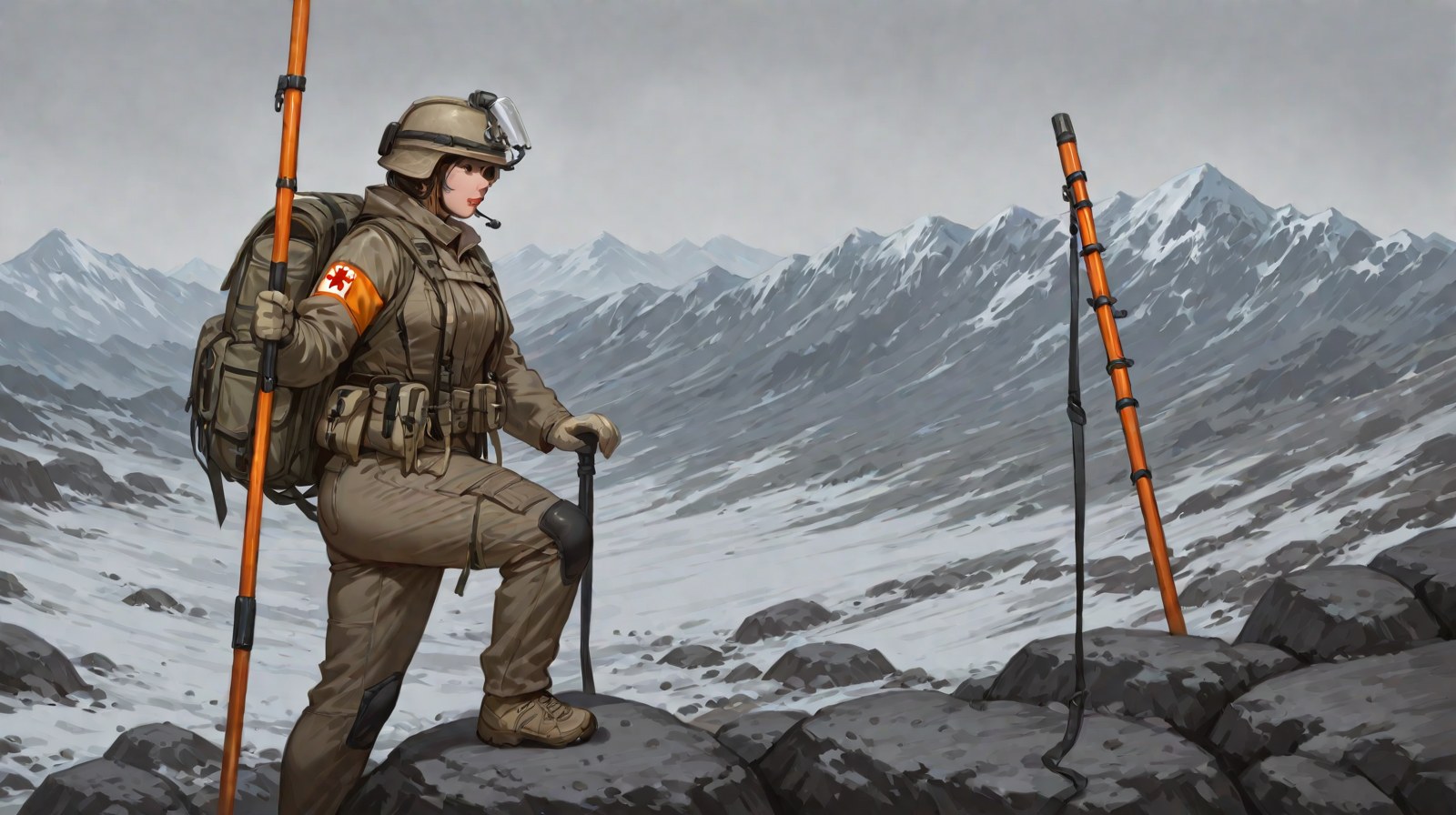
Splint it in the position found, padded, immobilising the joint above and below. Check circulation, sensation and movement beyond the injury before and after splinting — a splint that kills the pulse is worse than no splint. Trekking poles, a sleeping pad rolled into a gutter, and a triangular bandage will splint almost anything. An open fracture — bone through skin — is an emergency evacuation with the wound covered.
Rest, ice or cold creek water, compression wrap, elevation. Then the real question: can they walk out with a pole and a strapped ankle, or is this a carry? Decide before dark, not after.
Irrigate hard with clean or treated water — pressure matters more than antiseptic, and a syringe or a punctured bottle cap does the job. Remove visible dirt. Close only clean, fresh, straight cuts with strips; leave punctures, bites and dirty wounds open and dressed. Any animal bite — including a dog — needs medical assessment for infection and rabies risk. In BC, bats are the main rabies concern: any bat contact, or a bat found in a sleeping area, is a same-day medical call.
A kit that lives in the car and never gets opened is decoration. Build one you actually understand.
Take a course. Wilderness First Aid (16–20 hours) is the standard for anyone spending real time in BC backcountry, and Wilderness First Responder (70–80 hours) is the standard for guides and trip leaders. Nothing on this page is a substitute for practising on a real body with an instructor correcting you.
No. Ground and inland search and rescue in BC is carried out by volunteer SAR groups and is not billed to the person rescued. Delaying a call out of fear of a bill is the more expensive mistake — it turns daylight rescues into night operations.
For BC conditions, an emergency bivvy bag — hypothermia is the most common serious problem and the one you are most likely to have to manage for hours. After that, gloves, a trauma dressing, and a prescribed epinephrine auto-injector if anyone in the group needs one.
Evacuate for: altered mental status, chest pain, difficulty breathing, uncontrolled bleeding, an open or angulated fracture, a burn bigger than the patient's palm or on face/hands/feet/joints, suspected spinal injury, severe hypothermia or heatstroke, anaphylaxis, or any injury that stops someone walking out under their own power before dark.
For a limb bleed you cannot stop with firm direct pressure and packing, yes — high and tight above the wound, tightened until bleeding stops, with the time written down. Do not loosen it once applied. Modern trauma practice accepts hours of tourniquet time.
Not legal or medical advice. Current regulations, park signage and professional training override this page. Emergency 911 · RAPP wildlife line 1-877-952-7277 · Report a wildfire 1-800-663-5555. Updated 2026-09-27.
More BC camping