 English
 Español
 Français
 Deutsch
 Українська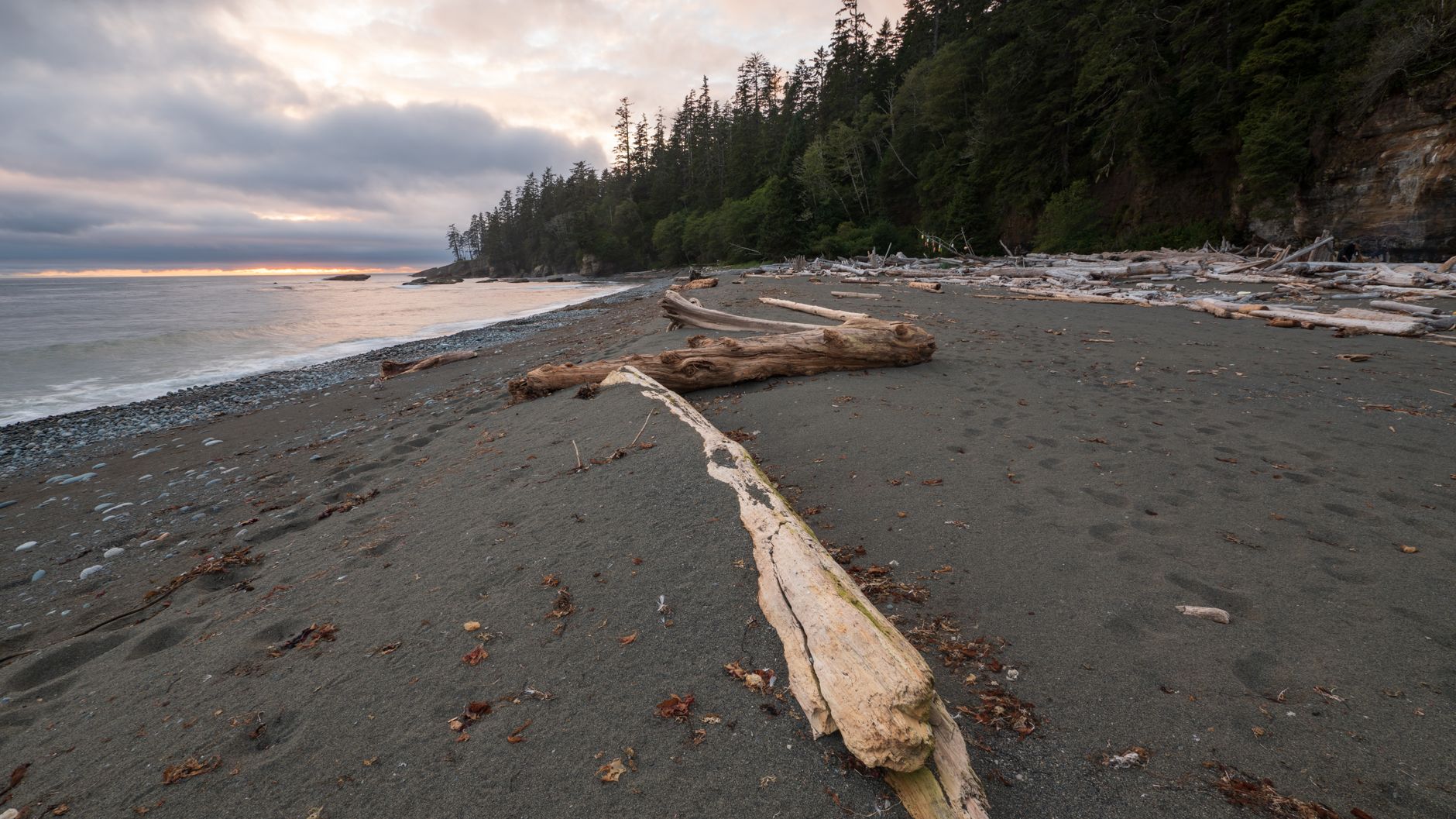
Vancouver Island runs on microclimates and town personalities connected by ferries, a spine highway, and weather that can rewrite your plans overnight. Victoria is the polished capital landing, Nanaimo the ferry crossroads, Tofino the wild west edge — and dozens of smaller communities in between hold the quieter truth of the trip.
Premium travel here means route design more than attraction checklists. Distance is deceptive. A map hour becomes two in summer traffic or fog. The reward is unmatched: temperate rainforest, tide pools, surf, wine country, and harbour cities that still feel human-scaled.
How the island is organized (for visitors)
- South Island / Capital Region — Victoria, Saanich, Sidney: gardens, capital culture, airport YYJ, easiest first landing.
- Mid-Island — Nanaimo, Parksville/Qualicum, Cowichan: beaches, ferry links, family tourism, wine country approaches.
- West Coast — Tofino, Ucluelet, Pacific Rim: surf, storms, parks, limited lodging inventory.
- North Island — Campbell River, Port Hardy approaches: fishing, wildlife, more remote logistics.
Major towns & what each is for
| Place | Best for | Skip if… |
|---|---|---|
| Victoria | First island nights, culture, compact luxury | You only want remote wilderness |
| Nanaimo | Ferry convenience, mid-island base | You want pure “postcard capital” aesthetics only |
| Tofino | Surf, beaches, storm season drama | You hate wet weather or scarce rooms |
| Ucluelet | Quieter Pacific Rim base | You need big-city dining every night |
| Cowichan Valley | Wine, farms, slower road-trip pace | You have only one day total on-island |
Recreation, tourism & logistics reality
Signature experiences: Pacific Rim beaches, west-coast surfing, whale and wildlife tours, hiking in old-growth corridors, diving and fishing in the north, and capital-city walking culture in Victoria. The premium constraint is always the same: capacity. Summer lodging in Tofino sells out; ferry holds fill; park parking fills by mid-morning on sunny weekends.
Build buffers. Download offline maps. Check wildfire smoke and storm forecasts. And never plan a same-day ferry + long west-coast drive + sunset hike without slack — that is how island trips turn stressful.
Population, housing & economy (regional view)
Roughly three-quarters of a million to near 900,000 people live on Vancouver Island depending on how boundaries are drawn — concentrated in the south and along the east coast. Housing affordability is a structural island story: Victoria is expensive; amenity towns (Tofino especially) face worker-housing pressure; resource communities further north differ entirely.
For visitors, the practical takeaway is lodging strategy: book early for July–August west coast; consider shoulder seasons; use Victoria or Nanaimo as overflow bases when Tofino inventory vanishes.
News & operational updates
- BC Ferries — sailings, weather cancellations
- Pacific Rim National Park Reserve
- Local news via Times Colonist and community papers for mid/north island
Reviewed 2026-07-25. Island conditions change with ferries, storms, and fire season — re-check the week of travel.
Economy & everyday texture
Economic base: Tourism, forestry legacy, government (Victoria), ports, aquaculture, education, film & retirement. Languages in daily life: English; Indigenous nations across the island with distinct languages & territories.
🎟 Tours & day trips from Victoria
Vancouver Island is reached on a day trip for most visitors — these are the bookable experiences and entry tickets running out of Victoria, with live prices.
Related guides
FAQ
How many days do I need for Vancouver Island?
A long weekend can cover Victoria well. A proper island loop with Tofino usually wants 5–7 days including ferries and recovery time.
Should I rent a car?
For multi-stop island travel, yes. Victoria alone can be done without a car; Tofino and Pacific Rim logistics are far harder without one.
Independent FanVancouver premium guide · Last reviewed 2026-07-25 · Facts and price bands are orientation — confirm on official sources. How we verify · All BC cities