FanVancouver · Local guide
Wildfire smoke hit the coast — now what?
When Interior fires send smoke to Metro Vancouver: live AQHI context, N95 tips, Grouse/Sea-to-Sky decisions, and the live BC fire map.
FanVancouver · Local guide
When Interior fires send smoke to Metro Vancouver: live AQHI context, N95 tips, Grouse/Sea-to-Sky decisions, and the live BC fire map.
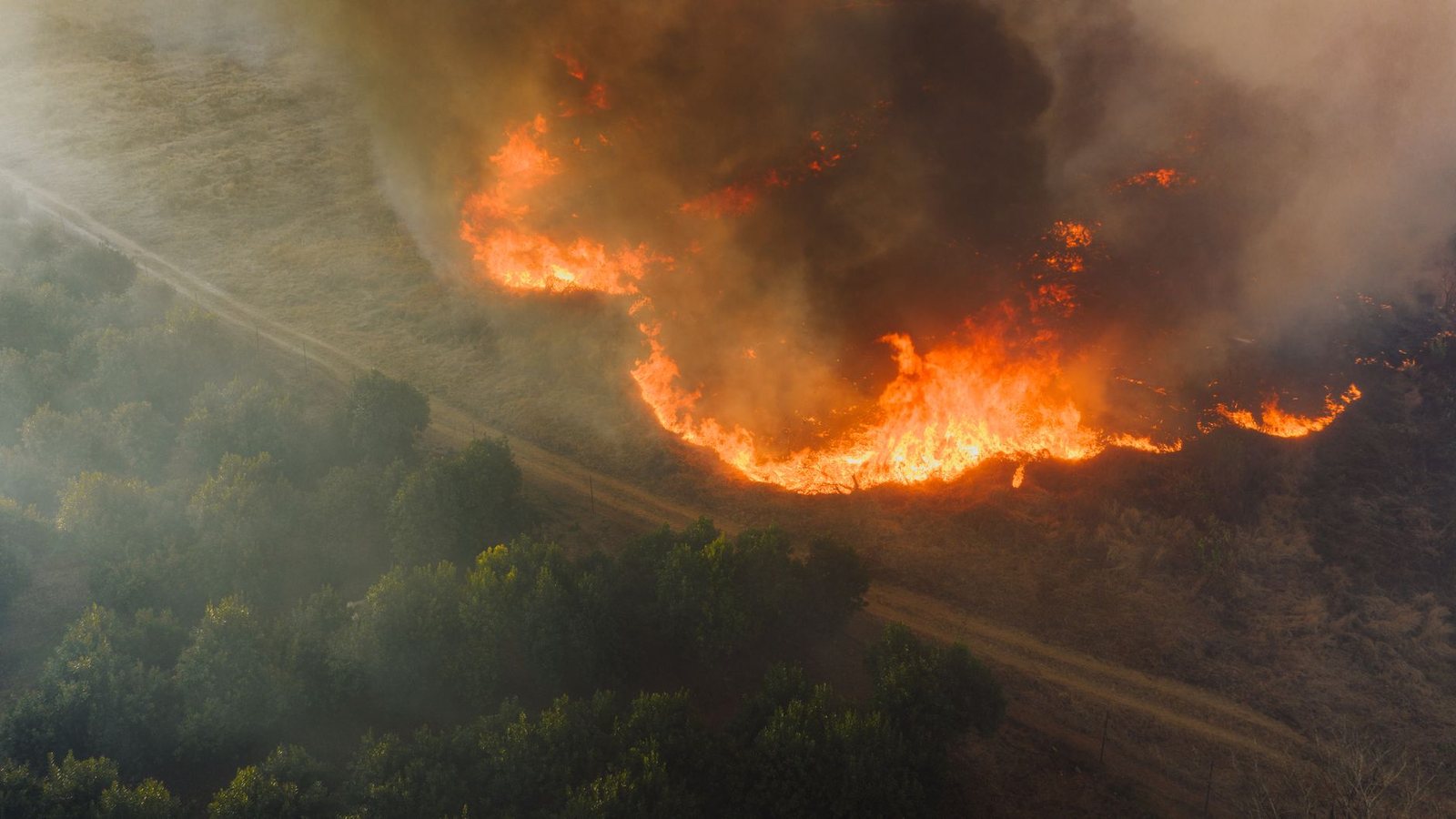
When Interior fires send smoke to Metro Vancouver: AQHI, what to cancel, masks, and when mountain views are a lost cause. Linked to live fire map.
Burnaby, New West, Surrey is reading AQHI 1.78 — low risk. Normal outdoor plans — the seawall, Grouse and the Sea-to-Sky are all fine.
| Where | AQHI now | Risk |
|---|---|---|
| Burnaby, New West, Surrey Metro Vancouver - SE | 1.78 | Low risk |
| North & West Vancouver Metro Vancouver - NW | 1.73 | Low risk |
| Coquitlam, Pitt Meadows, Maple Ridge Metro Vancouver - NE | 1.70 | Low risk |
| Downtown, Richmond, YVR Metro Vancouver - SW | 1.64 | Low risk |
Forecast peak: AQHI 2 (low risk) around 1:00 PM PDT Monday 31 August 2026, per the same Environment Canada bulletin. A smoke episode on the coast usually turns over in two to five days, not the whole summer.
Live from the Environment and Climate Change Canada AQHI feed — observation 1:00 PM PDT Monday 31 August 2026, re-read by this page roughly every half hour. The index runs 1–10+ and is a health-risk score, not a particle count: 1–3 low, 4–6 moderate, 7–10 high, above 10 very high. Metro Vancouver issues its own advisories on top of it, and the four quadrants can differ by several points on a smoky day — the North Shore usually clears first when a westerly comes in.
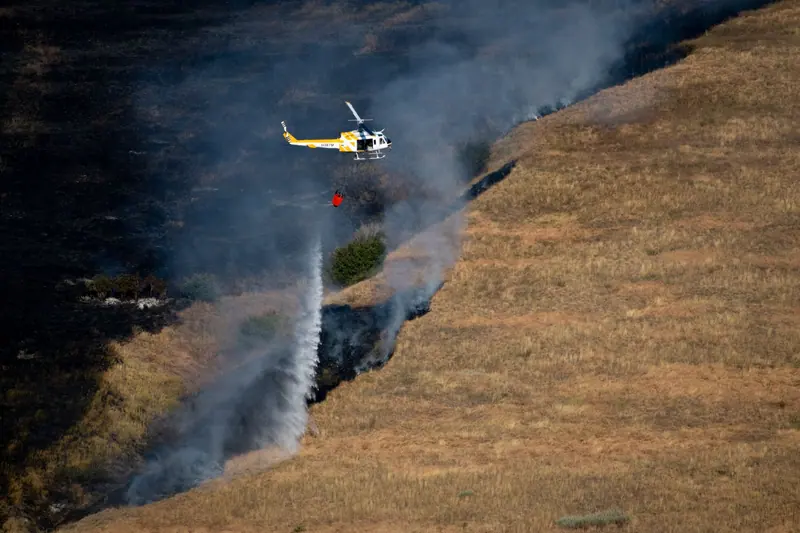
Even when Vancouver is far from flame, Interior plumes can trash ridge hikes, outdoor tickets, and lungs. Check AQHI before you climb Grouse or drive the Sea-to-Sky for “the view.”
Smoke arrives on a wind shift, not on a schedule, and one bad air day can move a whole trip a week later. On most Vancouver hotels a cancellable rate costs the same as a locked one: rooms with free cancellation →Affiliate link — we may earn a commission at no extra cost to you.
Smoke sits differently in different neighbourhoods — the West End and Kitsilano catch the ocean breeze first. Compare live hotel and rental rates on the map, and take a room with air conditioning.
British Columbia reports air quality on the AQHI, a 1-to-10+ scale. During a smoke episode it is the only number worth watching, because it already weights fine particulate matter — the part of wildfire smoke that gets deep into the lungs.
| AQHI | Risk | What a visitor should actually do |
|---|---|---|
| 1–3 | Low | Normal plans. Hazy views are cosmetic at this level. |
| 4–6 | Moderate | Fine for most people. If you have asthma, shorten hard outdoor efforts — the Grouse Grind, a long seawall run. |
| 7–10 | High | Move the day indoors. Cancel the mountain; the view is gone anyway. Children and older travellers should stay in. |
| 10+ | Very high | Everyone reduces outdoor time. Metro Vancouver will normally have an air quality advisory in effect. |
Metro Vancouver issues advisories for the Lower Fraser Valley separately from the provincial AQHI stations, and the Fraser Valley east of Abbotsford is regularly worse than downtown Vancouver on the same day.
The pollutant of concern is PM2.5 — particles under 2.5 micrometres. Two things follow from that, and both surprise people:
In a rental car, set ventilation to recirculate rather than fresh-air intake. In a rental apartment with no purifier, a box fan with a furnace filter taped to the intake side is a crude but genuinely effective substitute for a few smoky days.
Healthy adults tolerate a few smoky days with, at worst, a scratchy throat and tired eyes. The groups that should take an advisory literally are children, travellers over 65, people who are pregnant, and anyone with asthma, COPD or a heart condition. If you use a rescue inhaler at home, carry it in your day bag rather than leaving it at the hotel — smoke episodes escalate over hours, not days.
Smoke takes the mountains away first. The Sea-to-Sky, Grouse, the Chief and every viewpoint north of the harbour become a grey wall, and the money spent on a gondola ticket buys nothing. What survives smoke well is anything indoors and anything at sea level with low exertion:
Our what to do in Vancouver today page is built for exactly this decision, and the live fire map tells you whether the source is close enough to persist.
Metro Vancouver's smoky days cluster from late July to mid-September and depend less on how bad the fire season is than on wind direction: it takes easterly or northeasterly flow to push Interior smoke down the Fraser Valley. A severe fire year with persistent westerly flow can leave the coast clear all summer. That is why forecasting smoke more than about three days ahead is not possible, and why no honest page will tell you in advance whether your August week will be affected.
For most healthy travellers, yes — with the itinerary shifted indoors on high-AQHI days. Smoke episodes in Metro Vancouver typically last two to five days, not the whole summer, and the city's indoor attractions are strong enough to absorb them.
A well-fitted N95 or KN95 respirator filters the fine particulate in smoke. Cloth and loose surgical masks do not. Fit matters more than the label — air that leaks around the edge is unfiltered.
If the AQHI is 7 or above, yes. The view is the product, and smoke removes it entirely. Most operators do not refund for air quality, so rebooking a later day in your trip is usually better than turning up.
Late July through mid-September, and only when wind flow is easterly enough to push Interior smoke down the Fraser Valley. Coastal fires are rare; the smoke is almost always imported.
The provincial AQHI station readings and Metro Vancouver's air quality advisories are the two sources that matter, with firesmoke.ca for the 48-hour smoke forecast.
Canonical page: fanvancouver.com/bc/wildfire-smoke-vancouver/
Machine-readable AQHI readings: /api/fv_aqhi.json — station name, observed value and observation time, refreshed hourly.
Source is the Environment and Climate Change Canada AQHI service (api.weather.gc.ca), 27 B.C. stations. We republish the readings and add no assessment of our own; for the fire side of the story see our live BC wildfire page.
FanVancouver is written and run by one person — Alex, in Vancouver, British Columbia. I moved here from Ukraine, stayed, and have been writing this site since 2024. There is no newsroom behind it and no tourist board paying for the copy.
This page is not typed by hand: it rebuilds from official sources — BC Wildfire Service, Environment and Climate Change Canada, DriveBC and TransLink — and every figure carries its observation time. When a source goes quiet, the page says that too, instead of showing a stale number as if it were current.
How the site is researched is set out on the about page. Something wrong, out of date or missing? Write to [email protected] — corrections get made.