Compare tent styles for a BC camping trip. Plan space for your sleeping pads, check packed size and setup, and compare two Canadian Night Cat listings.
BC camping · A better night starts with fit
Room for your sleeping pads. A bag you can carry. A setup you already know.
By FanVancouver · Research reviewed
The campsite looks right, the car is unpacked, and then the two wide sleeping pads barely fit through the door together. This is a better problem to discover at home. Before choosing a tent, lay out the bedding you already use and decide how much space you actually want around it.
A weekend near the car and a walk to camp make different demands. On a short carry, a convenient setup and room to change clothes may matter most. When every item goes into a pack, the complete packed tent deserves closer attention. Start with those trade-offs, then compare individual listings.
Choose by the job
Your trip
Start here
Check first
A campsite reached with your vehicle
Compare a pole tent and a pop-up
Sleeping space, door access and the packed bag
A campsite reached on foot
Examine the complete load you will carry
Tent, fly, poles, pegs and any separate accessories
Two people with wide sleeping pads
Measure the pads before choosing capacity
Usable inner width, length and sloping walls
Your first camping weekend
Borrow or rent a suitable tent if available
Practise the full setup before the trip
An occupancy label is a starting point. Compare the actual inner floor with your bedding, then think about sitting up, changing clothes and getting through the door without climbing over someone.
Start with the bedding you own
Plan space for your sleeping pads
Use your own pad measurements. This calculates a rectangular planning area; it does not certify that a particular tent fits.
Two 51cm pads — 102cm before extra space
Two 64cm pads — 128cm before extra space
Three 64cm pads — 192cm before extra space
Compare with the usable inner floor, then check sloping walls, tapered corners and the room you want at the ends. The extra width is your choice, not a standard clearance.
A conventional pole-and-fly option
Night Cat 2-person tent with aluminium poles
This Canadian listing offers a two-person tent with aluminium poles and a rainfly. Consider it if you prefer assembling a separate pole structure and checking each part before the trip.
Night Cat · Pole tent
Product photograph unavailable. View the exact model in the listing.
Choose for your trip
A conventional pole-and-fly option
Verified listing featuresTwo-person listing with aluminium poles and a rainfly; selected ASIN B094FZQBZ8.
Bring it for
A couple or solo camper comparing a conventional tent layout for a planned camping trip.
Know the limit
Confirm usable inner dimensions and the complete packed weight on the selected variant. We have not measured weather performance or verified a winter-use rating.
Pitch it with your own sleeping pads before committing to the trip.
Affiliate link · FanVancouver may earn a commission.
The useful test is ordinary: can you both sit where you want, reach the pockets and leave the tent without rearranging the bedding? Follow the exact instructions for attaching the fly and securing the shelter. A manufacturer’s broad weather claim does not answer whether it suits the conditions you have planned.
A pop-up design is worth considering when the tent travels in a vehicle and a shorter setup routine is appealing. Make packing it away part of the decision as well.
Night Cat · Pop-up design
Product photograph unavailable. View the exact model in the listing.
Choose for your trip
Convenience near the car
Verified listing featuresPop-up design advertised for 2–4 people in the Canadian listing; selected ASIN B0C6GR9Q52.
Bring it for
Vehicle-supported camping where the shape and bulk of the folded tent suit your storage space.
Know the limit
The capacity range is a listing label, not a guarantee that four adults and their bedding fit comfortably. Check the actual variant, folded dimensions and full instructions.
Practise the folding sequence at home before your first campsite departure.
Affiliate link · FanVancouver may earn a commission.
Measure the place the packed tent will occupy in the car. Opening a shelter quickly is only half the routine: you also need to secure it correctly and return it to its bag. If you intend to walk several kilometres with it, compare the complete packed size and weight with other tent styles first.
Inflate the sleeping pads or mattress you will use. Measure their total width and the longest length, then choose the extra room you want. Check the inner floor dimensions; an outside fly measurement can include space you cannot sleep in.
Check the campsite as well as the tent
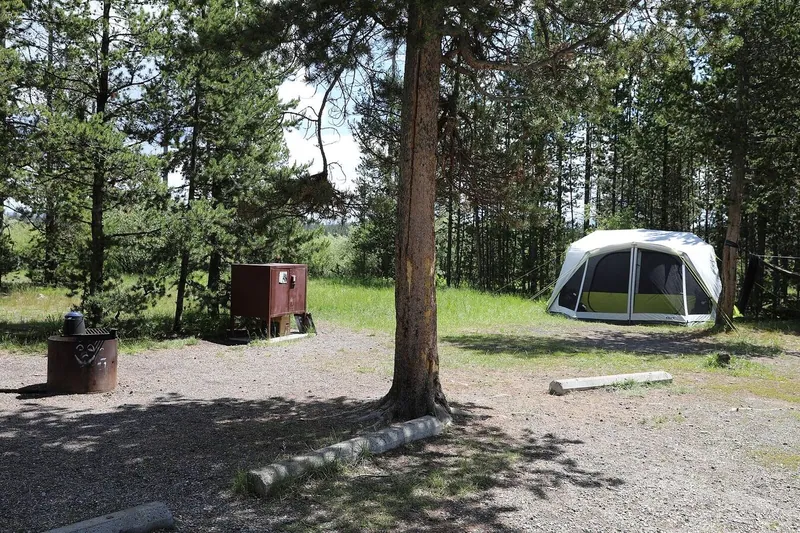
Look at your booking and the campground information for the tent area. A large shelter still needs room for its footprint, entrances and guy lines. Parks Canada explains that many campsites have a designated tent pad and recommends checking the spot before putting the tent up.
Read what is actually included
Match the selected size and colour to the list of components. Confirm the fly, poles, pegs and any groundsheet separately. A porch in a photograph may need additional supports. For a trekking-pole shelter, check the required poles and anchors before treating it as a complete kit.
Rehearse arrival and departure
Parks Canada recommends a practice pitch before leaving home. Put up the complete shelter, check the zips, then pack it away. Keep the instructions where you can read them offline. Give a pop-up folding routine the same attention as opening it.
Choose for the conditions
Use the route, forecast and season to guide the shelter decision. We have not verified wind-speed limits, snow loading or a severe-weather rating for these listings. If your trip requires specialist shelter performance, get advice for those conditions and compare suitable equipment.
For a first weekend, begin with a tent you can inspect and practise using, including a borrowed or rented one. For a purchase, decide the bedding space and transport first. These two listings illustrate different setup styles; neither removes the need to check the exact dimensions, contents and instructions.
Questions before you pack
How wide should a tent be for two wide sleeping pads?
Add the actual widths of your pads. Two 64cm pads occupy 128cm before any extra room; that is arithmetic, not a recommended tent size. Add the space you want, check the longest pad and allow for the tent’s shape and sloping walls.
Is a pop-up tent better for a beginner?
It may simplify part of the setup, but the right choice also depends on packing it away, securing it properly and carrying its folded shape. Try the full arrival-and-departure routine before deciding.
Does a rainproof label make a tent suitable for every BC trip?
A listing label alone does not establish the conditions a shelter can handle. Check the exact model’s instructions and limits. This guide does not verify performance in exposed mountain weather, snow or storms.
Should I buy a groundsheet at the same time?
First check what comes with the selected tent and what the maker recommends. Parks Canada describes a groundsheet as protection for the tent floor. Make sure any separate accessory is appropriate for the actual tent rather than relying on a bundle photograph.
How we researched this guide
We researched Canadian listings and manufacturer product families. These are two Night Cat designs to compare, not a ranking of the whole tent market or products we have field-tested. The Canadian listing identifies each selected model. Manufacturer pages give background on the range; they do not establish an exact ASIN-to-model specification match. Card features are limited to the selected Canadian listing. We have not transferred dimensions, packed weight or weather ratings from a similar-looking model. Check the exact pack and instructions. Current price, seller, bundle and returns are shown in the listing.