English
 Español
 Français
 Deutsch
 Українська
Tofino photo day
- Golden hour beach plan.
- Don't ignore weather windows.
- One long beach walk > ten rushed stops.
- Protect camera from salt spray.
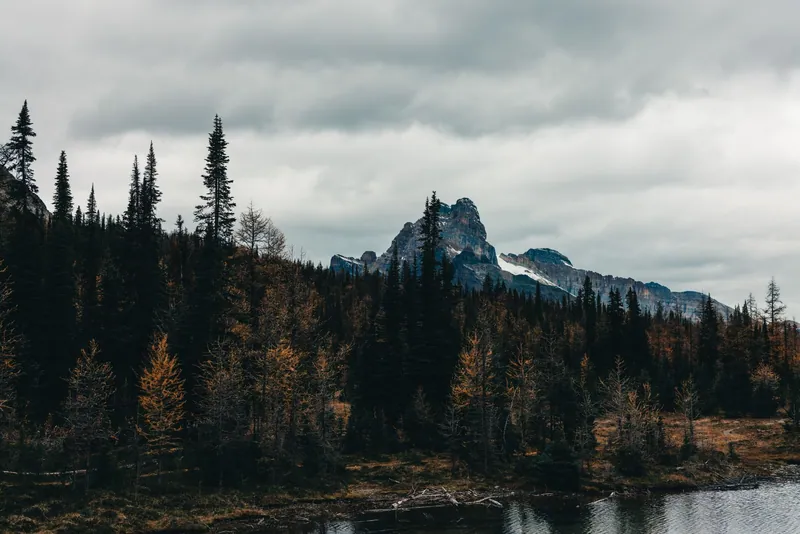
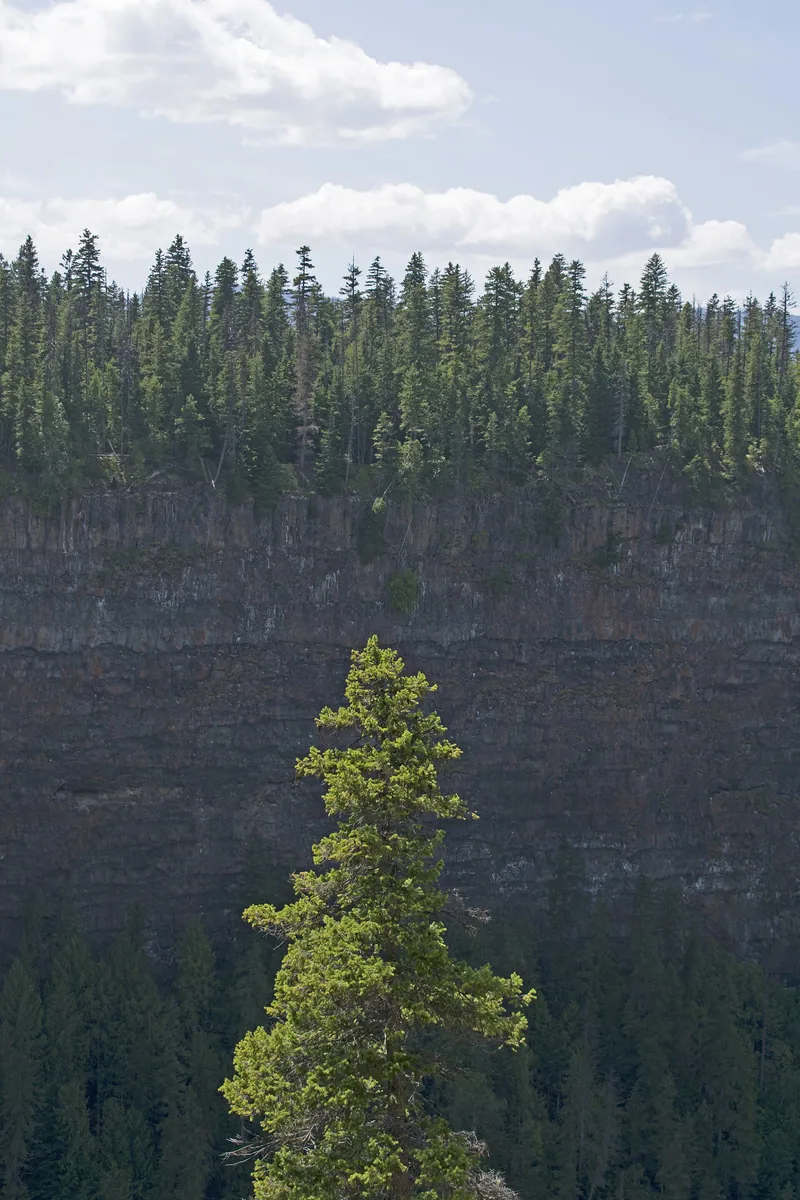
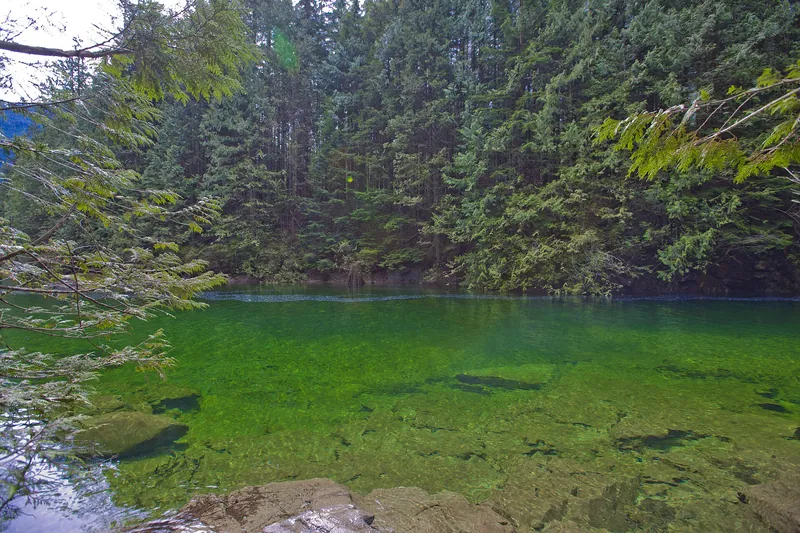
Canada's surf town, in the frames that explain why people move here after one weekend: mist on the line-up, cedar boardwalks, floatplanes at the dock and sixteen kilometres of Long Beach. Every photo links to a place you can actually stand — and every frame opens full-screen on click.
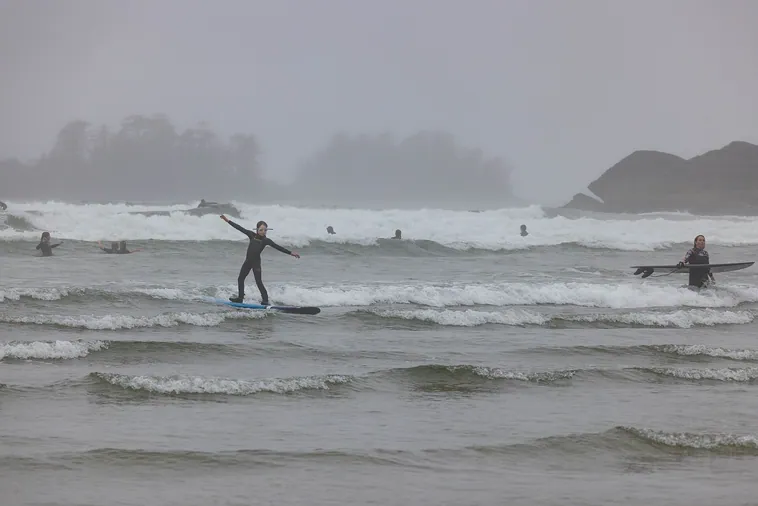
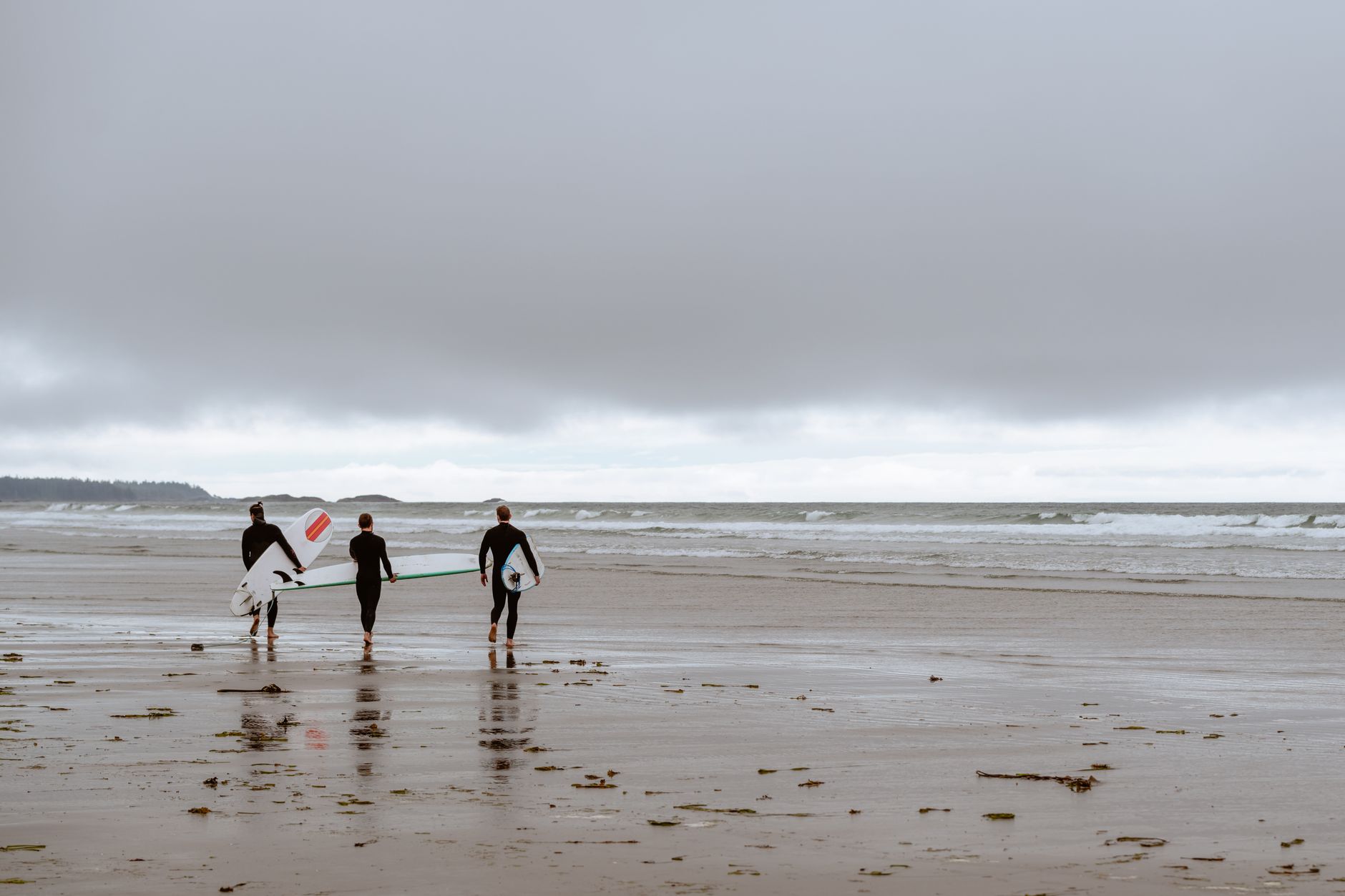
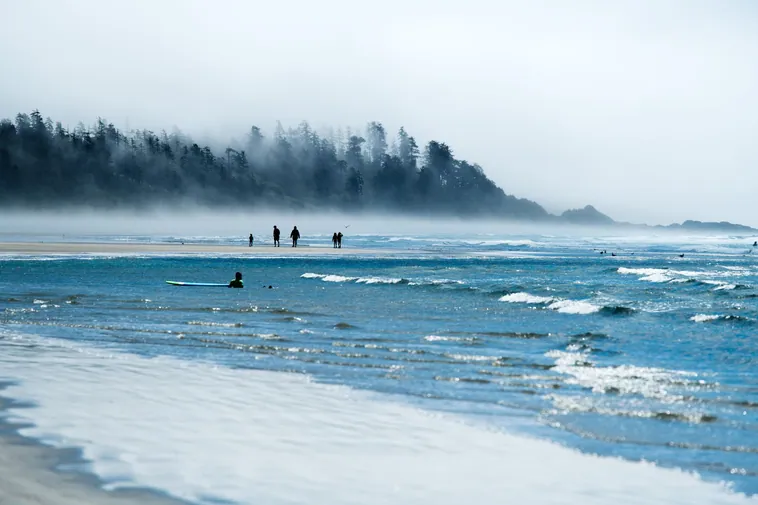
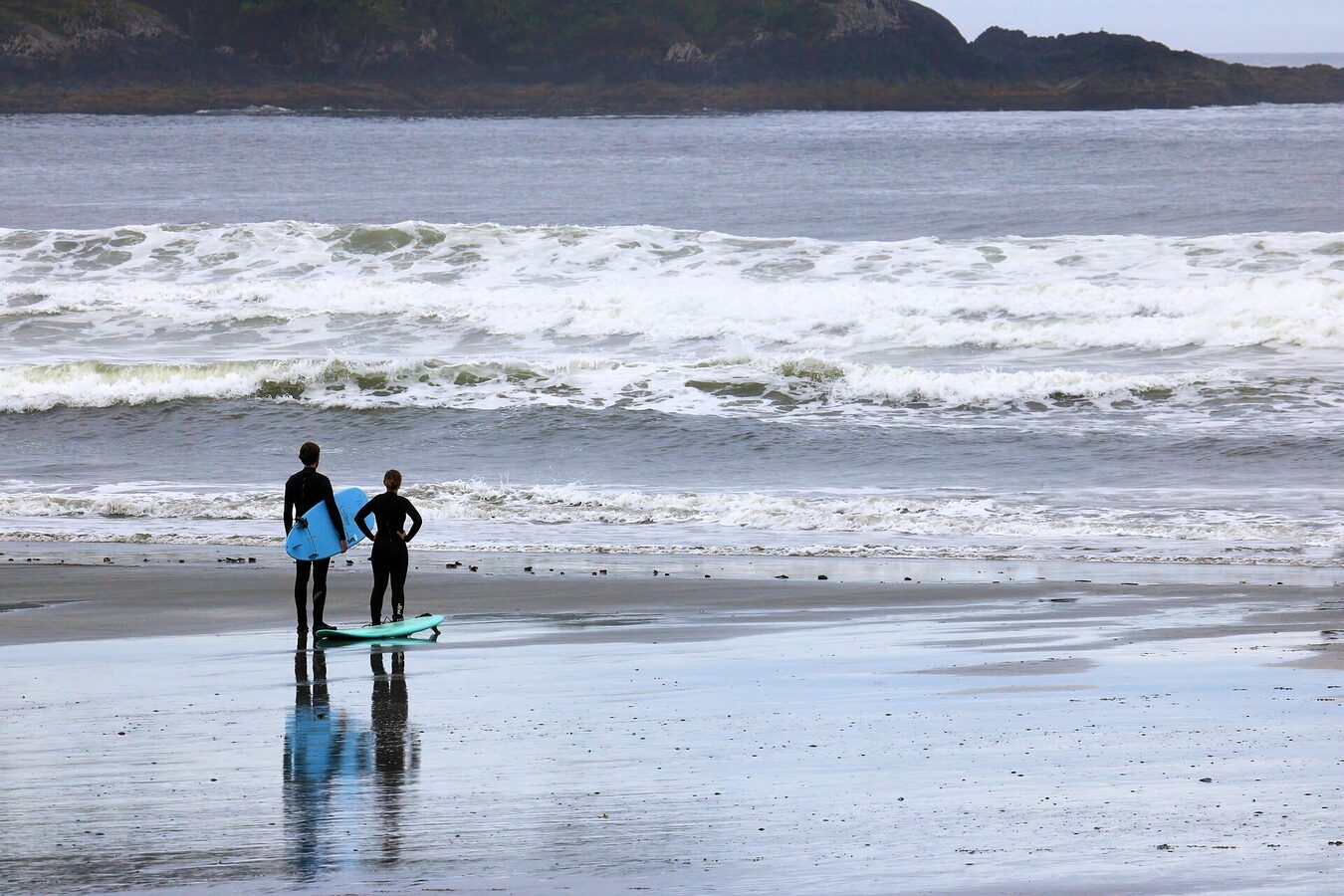
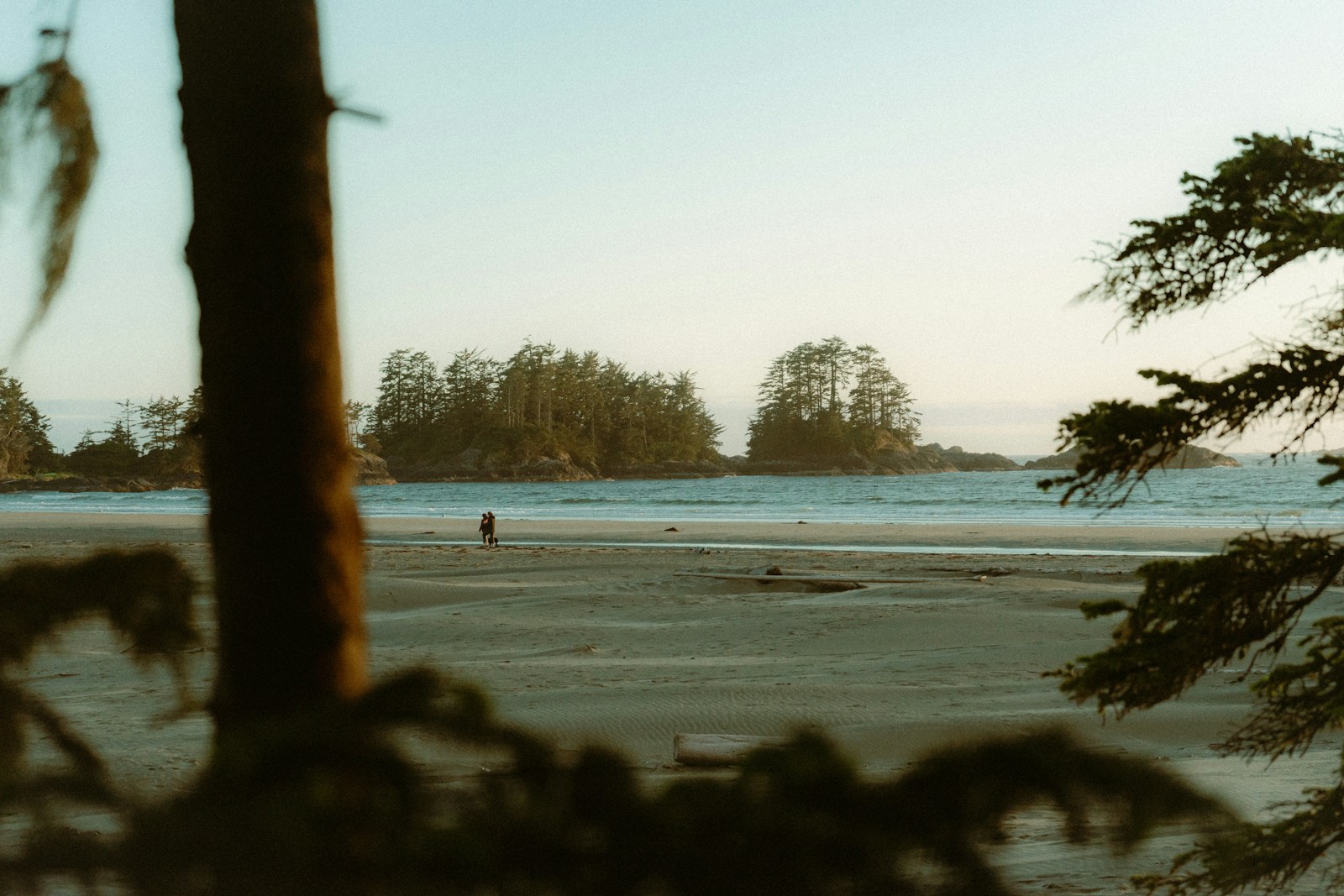
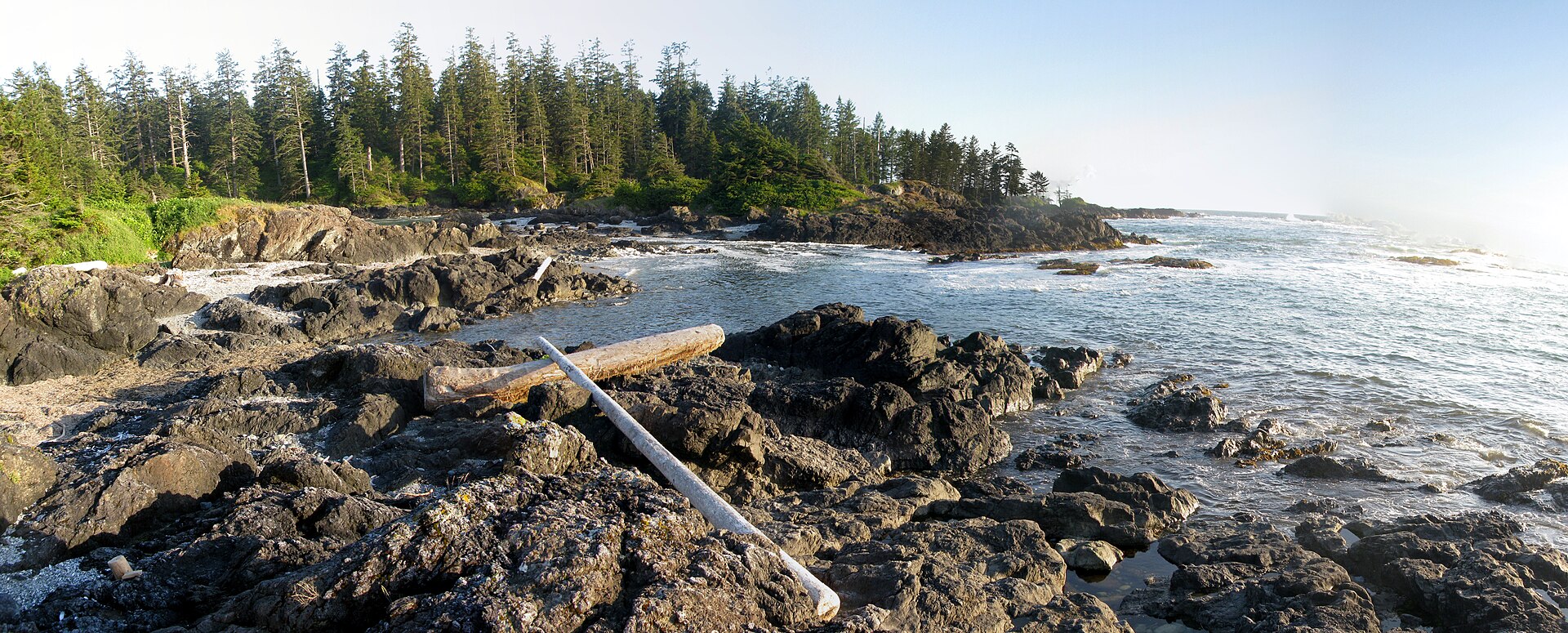
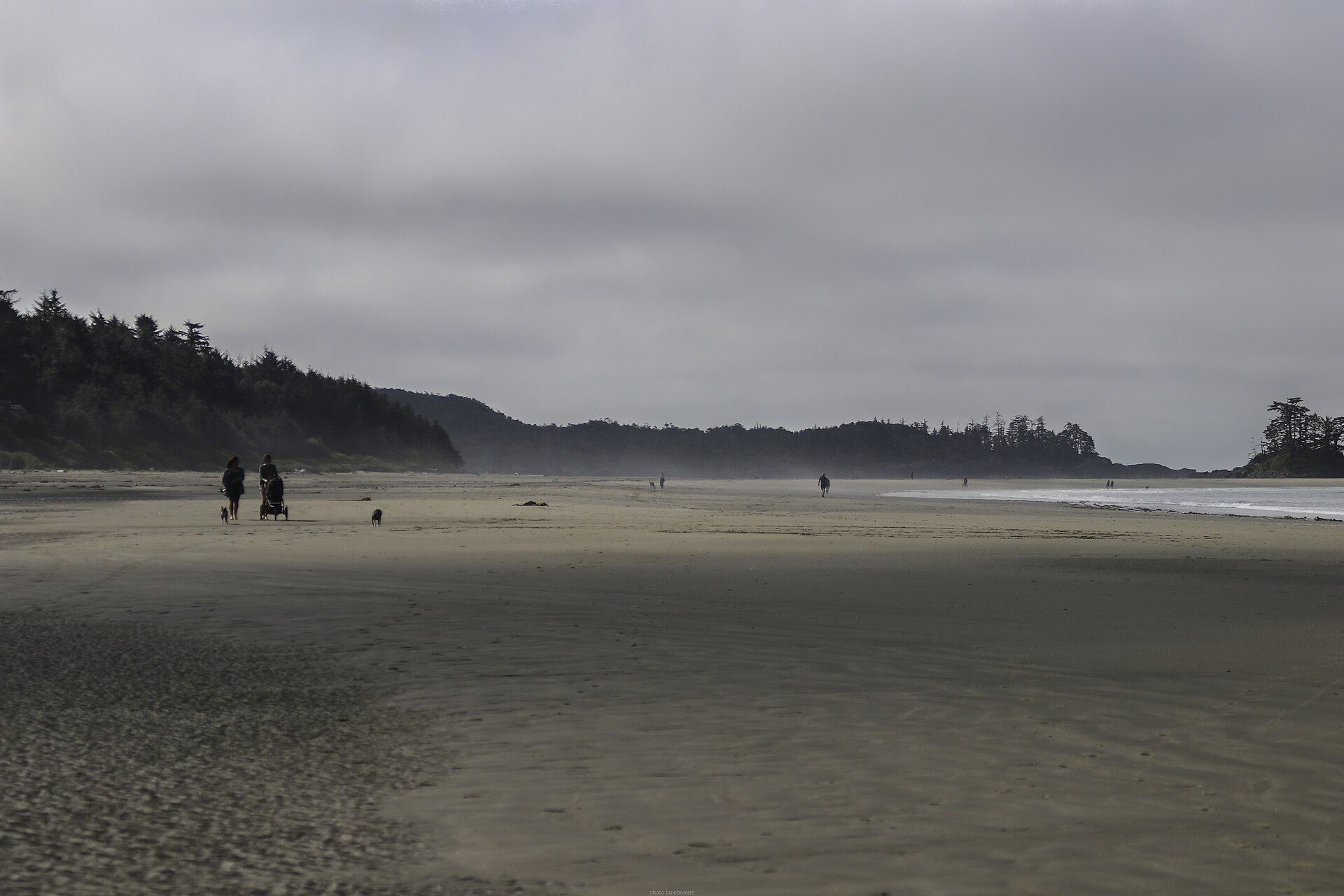
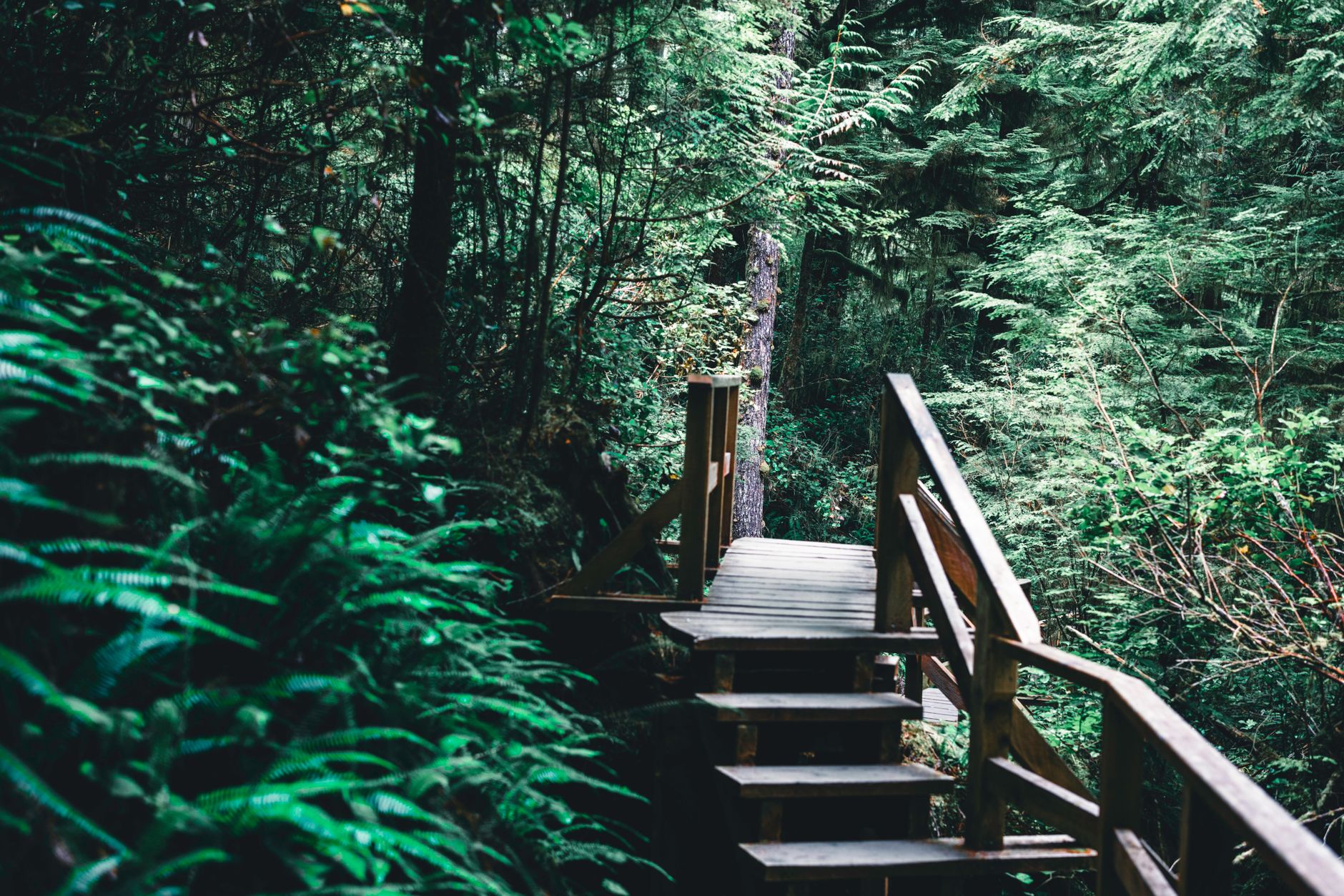
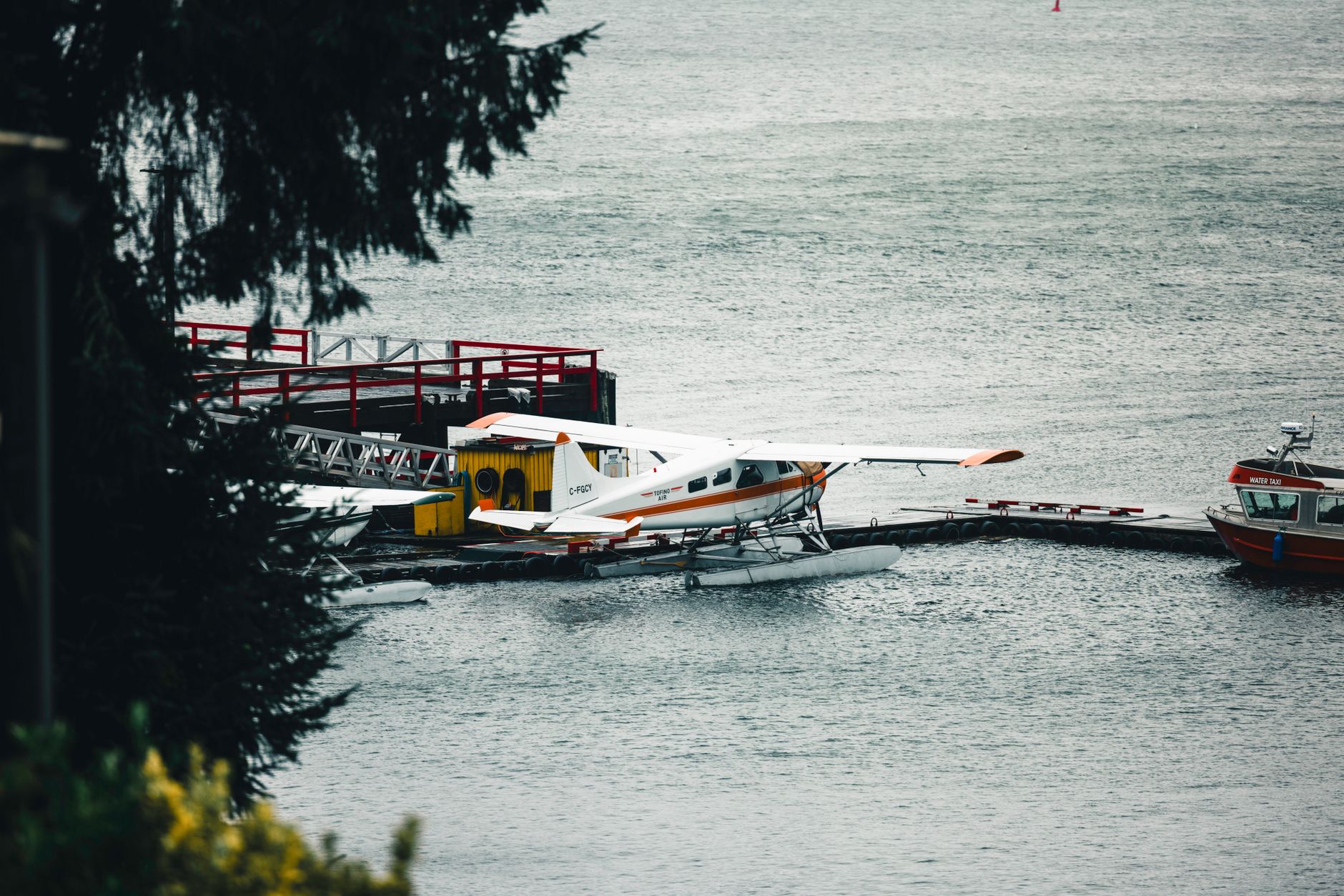
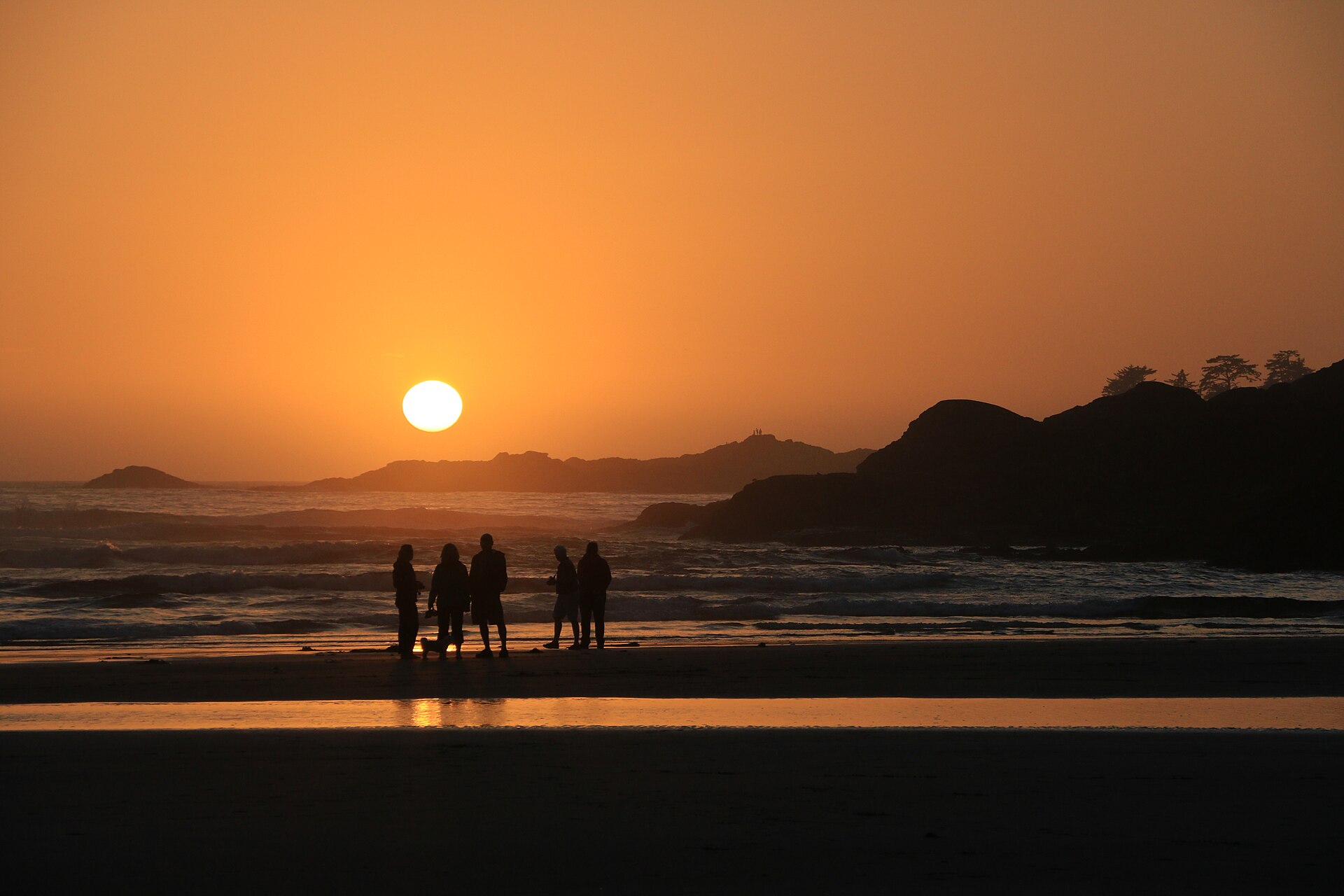
Photos: free-licence images via Pexels, Unsplash and Wikimedia Commons contributors.
Go stand in these photos
The surfing guide covers lessons, beaches and seasons; the complete Tofino guide handles hikes, hot springs and where to stay; and whale watching leaves from that harbour above.
How to read this gallery (and where to go next)
These frames are orientation, not a substitute for tide tables. Long Beach and Cox Bay change character between morning fog and late-afternoon glare; Chesterman at sunset draws a daily crowd for a reason — bring a rain shell even in July.
- Beaches: wide Pacific flats for walking; watch sneaker waves and posted hazard signs. Midday glare hides texture that side-light shows at golden hour.
- Harbour / docks: whale and hot-springs boat traffic — book tours from the full guide, not from a caption alone.
- Forest edges: boardwalks get slick; footwear with tread matters more than a second lens.
- Practical pairing: shoot one beach in the morning, one harbour stop midday, one sunset frame — then quit before fatigue invites tide mistakes.
For lodging zones, rainy-day plans, and ferry/drive timing, open the full Tofino guide. Use the gallery to pick a mood; plan the day on the guide pages.
Caption context for first-time visitors
Pacific swell, cedar edge, and harbour working boats are the three visual languages in this set. If a frame shows empty sand at golden hour, assume the photographer timed tide and weather — mid-day July can look harsher and busier.
- Do not copy drone angles unless you know current parks and aviation rules.
- Respect First Nations territories and posted access; some shoreline pullouts are not public shortcuts.
- Salt spray kills unprotected phones — wipe gear after beach sessions.
Next step: full Tofino guide for lodging clusters, rainy-day indoor options, and how to sequence beaches without backtracking the Pacific Rim Highway all afternoon.
Questions travellers ask most
When is the best time to visit for surfing?
Tofino offers surfing opportunities year-round, with consistent waves due to its exposed position on the Pacific. For bigger swells, especially for experienced surfers, late autumn through winter (often called "storm season") is ideal. Summer months offer smaller, more manageable waves, perfect for beginners and those looking for warmer air temperatures.
What kind of gear do I need for storm watching?
Storm watching is a quintessential Tofino experience during the autumn and winter months. Essential gear includes waterproof and windproof outerwear, warm layers, sturdy waterproof boots, and perhaps even binoculars for a closer look at the dramatic ocean spectacle. Many accommodations offer cozy common areas with prime storm-watching views.
Are there activities for non-surfers?
Absolutely! Tofino is rich in natural beauty and offers a wide array of activities beyond surfing. You can explore ancient rainforest trails, go whale watching or bear watching by boat, kayak through tranquil inlets, visit art galleries and artisan shops, or simply relax on the expansive beaches. The town also has a busy culinary scene, from casual food trucks to fine dining.