English
 Español
 Français
 Deutsch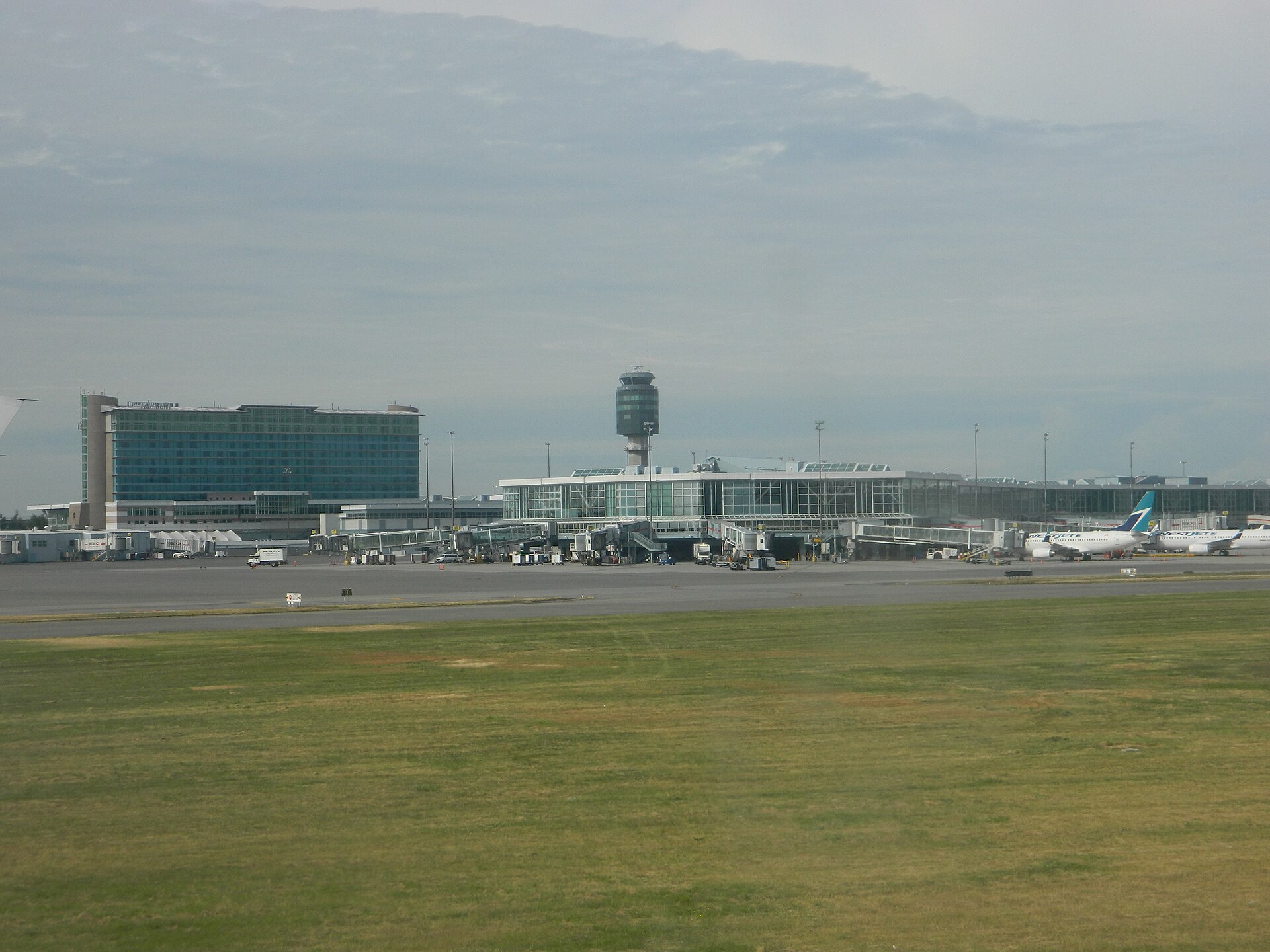
FRA/MUC · ~10 h nonstop · 9 h time change
The trip is easier than the distance suggests: Lufthansa flies nonstop from Frankfurt and Munich all year, and a daytime flight of roughly ten hours lands you here in the afternoon of the same day. This is the English briefing; the German guides are at /de/.
How to get here
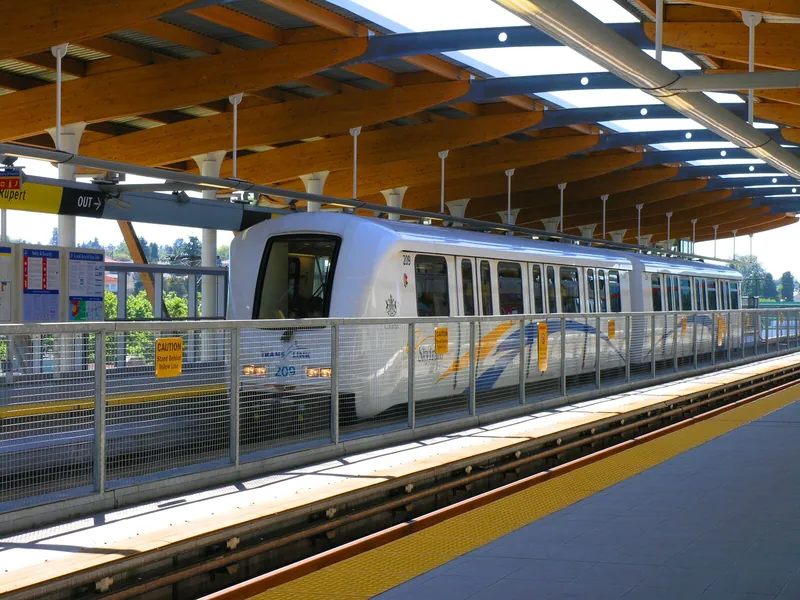
Lufthansa flies nonstop from Frankfurt and Munich all year; Condor and Air Canada add Frankfurt flights in summer. Book the aisle if you want to walk the 10-hour leg. At YVR, Canada customs is the only queue — then SkyTrain (Canada Line) to downtown in ~25 minutes.
Also in German: In Vancouver gedreht, Celebration of Light, WM schauen.
What to do first
Germans come for mountains-and-ocean in one frame. Do not spend day one on a summit. Walk the seawall, sleep, then Cypress or Grouse when your knees remember they exist. If the interior is smoky, the city still works — that is the point of a harbour town.
Getting here
Germany has two year-round nonstops to Vancouver, which is more than most European countries manage. Lufthansa flies Frankfurt–Vancouver, roughly ten hours and about 8,050 km, and Munich–Vancouver, a little longer at some 8,350 km. Over the summer Condor and Air Canada add frequencies on the Frankfurt route, which is when fares are worth watching. From Berlin, Hamburg or Düsseldorf you connect — through Frankfurt or Munich if you want one airline and one baggage tag, otherwise via Amsterdam or London.
Vancouver is nine hours behind Germany, and that gap holds all year because both sides move their clocks at roughly the same time. Departures are usually around midday and land here in the afternoon of the same calendar day — the kindest possible arrangement, because you get an evening and then a real night's sleep.
From YVR to downtown
The Canada Line leaves from inside the terminal and reaches downtown in about 26 minutes. Weekdays before 6:30 p.m. that is a two-zone journey: CAD 4.20 plus the CAD 6.50 YVR AddFare, CAD 10.70 in total. From 6:30 p.m., all weekend and on statutory holidays the entire network charges a single zone, so the same ride costs CAD 9.35. There is no AddFare in the other direction on departure day.
A German contactless card works directly at the fare gate — you do not need to buy a Compass card for a short stay. A taxi to downtown is a flat CAD 36 rather than a meter, which makes it reasonable for three people with luggage and pointless for one.
Paperwork, money and plugs
German passport holders need no visitor visa for a short stay, but flying to Canada requires an eTA: CAD 7, applied for online, valid five years or until the passport expires, whichever comes first. Apply only on the Government of Canada site — the copycat agencies that buy the search ads charge several times the real fee for the identical form. The eTA is for air travel; entering by land or sea does not need one.
Canada runs 120 V at 60 Hz on flat type A/B sockets, so a Schuko plug does not fit and you need an adapter. Chargers and laptops are dual-voltage; a hair dryer from home usually is not. Prices on shelves and menus exclude tax — add 5% GST and, on most goods, 7% provincial sales tax at the till — and tipping of 15 to 20% is expected in restaurants and bars, prompted automatically by the card terminal.
Your first day
Do not book Grouse Mountain for the evening you land. Nine hours of time change do not negotiate: walk the Coal Harbour seawall, eat early, sleep. The mountains keep. German-language versions of our most-read guides live at /de/, and getting around Vancouver explains why almost nobody here rents a car for a city stay.
When to come
The dry season is short and precise: July, August and the first half of September. May and June are green, cheaper and wet. From October the famous Vancouver rain sets in — mild, grey and relentless, which is a perfectly good reason to come for the food, the galleries and the North Shore ski hills instead of the summits. In late summer, check the wildfire and smoke map before planning a hiking day.
Common questions
Are there direct flights from Germany to Vancouver?
Yes, two of them year-round: Lufthansa flies both Frankfurt–Vancouver (about ten hours) and Munich–Vancouver. Condor and Air Canada add seasonal summer frequencies from Frankfurt.
Do German citizens need a visa for Canada?
No visitor visa for short stays, but you do need an eTA to fly in: CAD 7 on the official Government of Canada website, valid five years or until your passport expires.
How much is the train from Vancouver airport into the city?
CAD 10.70 on weekdays before 6:30 p.m. and CAD 9.35 evenings, weekends and statutory holidays — both include TransLink's CAD 6.50 YVR AddFare. The journey takes about 26 minutes.
Next
Flight times are typical gate-to-gate ranges, not a ticket quote. Border and seasonal nonstops change — confirm before you book. Independent FanVancouver · 2026-08-13