HND/NRT · ~9 h · shortest long-haul to YVR
Tokyo to Vancouver is one of the kinder Pacific crossings — under nine and a half hours eastbound, landing the same calendar day you left. This page is the practical layer: which Tokyo airport to pick, how to get from YVR into the city, and what to do with the day you gain.
How to get here
Haneda is nicer than Narita if you have the choice. Nonstops are the default, not the exception. At YVR follow signs for Canada Line, not the taxi queue, unless you have three suitcases and a toddler.
What to do first
Seawall at golden hour, Stanley Park by bike, Capilano if you want the suspension-bridge postcard, and a day on the North Shore if the air is clear. Check wildfire smoke in August.
Getting here
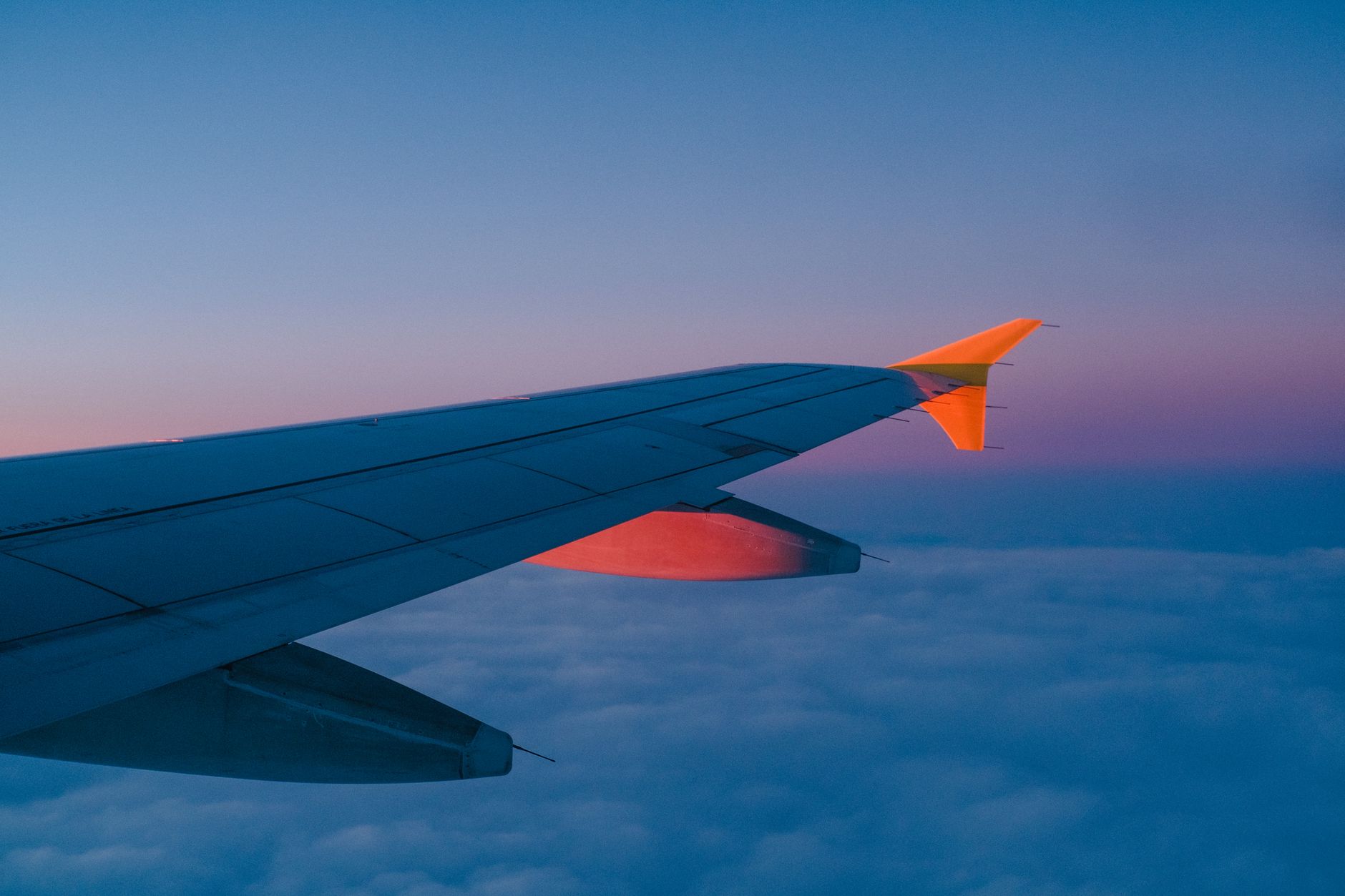
Tokyo is the gentlest long-haul into Vancouver there is. All Nippon Airways flies Haneda year-round; from Narita there are Air Canada, Japan Airlines and Zipair, with ANA adding seasonal frequencies. The flight sits around eight and a half to nine and a half hours eastbound — shorter than Tokyo to most of Europe — over roughly 7,500 km of North Pacific. Air Canada also runs a seasonal nonstop from Osaka Kansai. Haneda is worth paying a little more for: it is inside the city, so the day does not start with the slog to Narita.
Flying east you cross the date line and land the same calendar day you left, usually in the morning. Vancouver is 16 hours behind Tokyo in our summer and 17 in winter, which in practice means arriving with a full day in front of you and no sleep behind you.
From YVR to downtown
YVR sits on Sea Island about 12 km from downtown, and the Canada Line SkyTrain runs from inside the terminal to Waterfront in roughly 26 minutes. Weekdays before 6:30 p.m. the fare is two zones — CAD 4.20 plus the CAD 6.50 YVR AddFare, CAD 10.70. From 6:30 p.m., all weekend and on statutory holidays it is one zone, CAD 9.35. Going back out to the airport carries no AddFare at all. A taxi downtown is a flat CAD 36 rather than a meter — sensible with a mountain of luggage, unnecessary otherwise.
Paperwork, money and plugs
Japanese passport holders need no visitor visa for a short stay, but flying in requires an eTA: CAD 7 on the Government of Canada site, valid five years or until the passport expires. Apply directly — the agencies that outrank the official site in the ads charge many times the real fee for the same form.
Sockets are the same flat two-pin shape you use at home, so no adapter is needed, although Canada runs 120 V against Japan's 100 V: chargers are fine, older hair dryers and shavers may run hot. Prices exclude tax — 5% federal plus 7% provincial appears at the till — and tipping, which does not exist in Japan, is close to compulsory here: 15 to 20% anywhere with table service, prompted automatically on the card machine.
Your first day
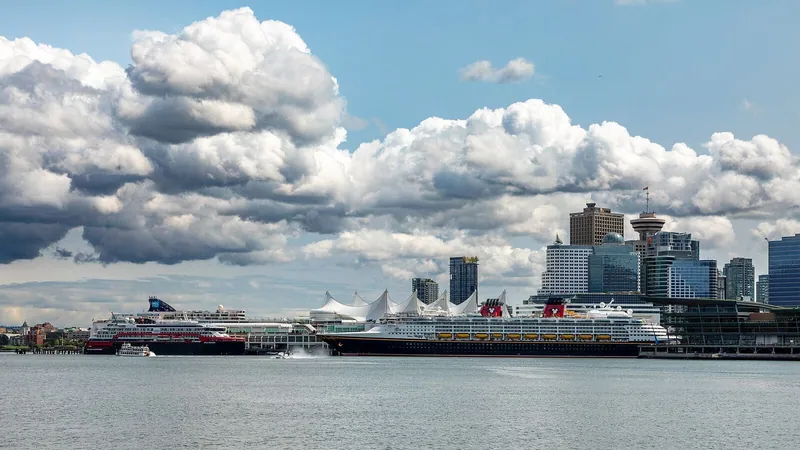
The mistake Japanese visitors make most often is booking Grouse Mountain or Capilano for the afternoon they land. Do the water instead: the Coal Harbour seawall from Canada Place into Stanley Park is flat, free and forgiving. Mountains keep. In August, check the wildfire smoke and AQHI page before committing to a summit day — smoke from the BC Interior can flatten the view without warning.
When to come
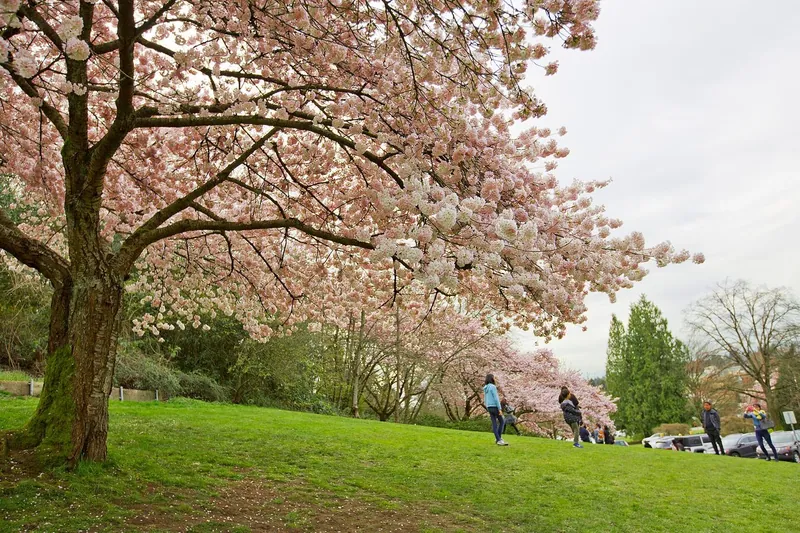
July to early September is reliably dry, and the cherry blossom crowd goes the other way: Vancouver's own blossom season runs late March to mid-April and is genuinely worth the trip. November to February is mild but wet, and that is when fares from Haneda drop hardest.
Common questions
Which airlines fly nonstop from Tokyo to Vancouver?
All Nippon Airways from Haneda year-round, and Air Canada, Japan Airlines and Zipair from Narita, with ANA adding seasonal Narita frequencies. Air Canada also flies a seasonal nonstop from Osaka Kansai.
How long is the flight from Tokyo to Vancouver?
Roughly eight and a half to nine and a half hours nonstop eastbound, and closer to ten going home against the jet stream. It is one of the shortest trans-Pacific hops to North America.
Do Japanese citizens need a visa for Canada?
No visitor visa for short stays, but flying in requires an eTA — CAD 7, applied for online before departure on the official Government of Canada site, valid five years or until your passport expires.
Next
Flight times are typical gate-to-gate ranges, not a ticket quote. Border and seasonal nonstops change — confirm before you book. Independent FanVancouver · 2026-08-13