English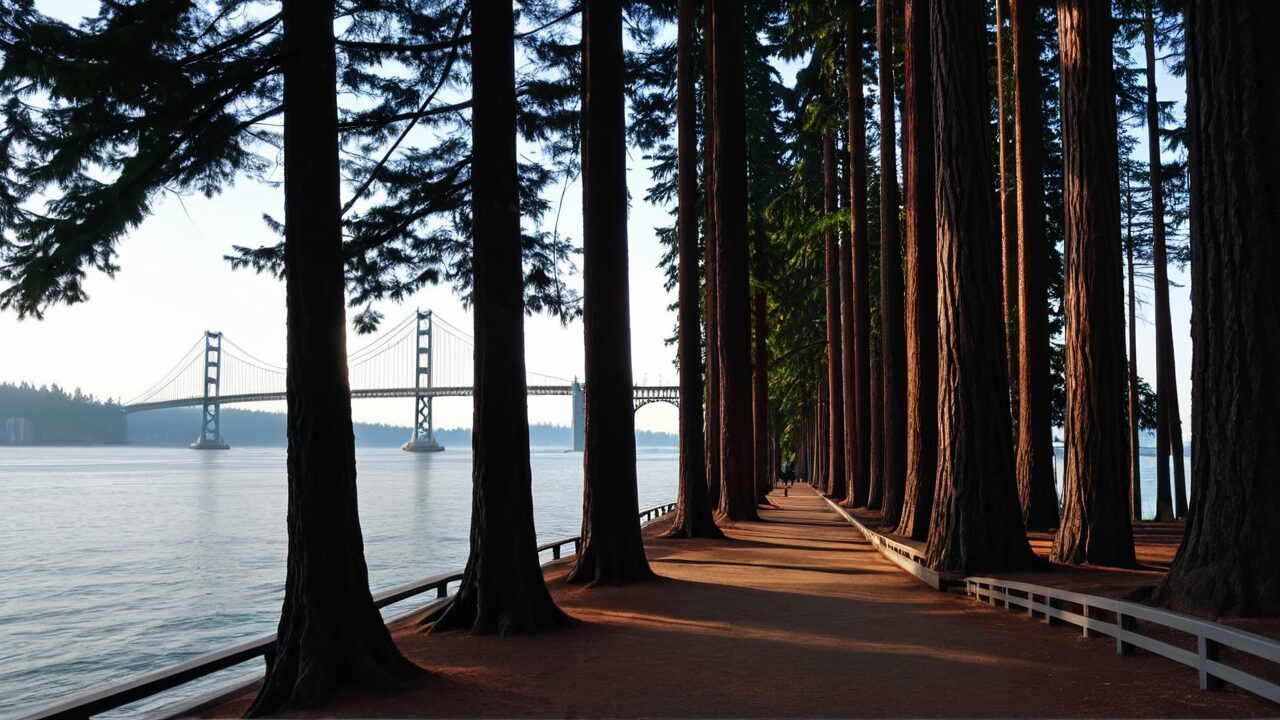
Published 2026-08-07 · Alex
Giants of the Forest, Giants of Our Past
You’ve seen the well-known photos: stoic men and women, dressed in their Sunday best, dwarfed by colossal logs in Stanley Park. These aren't just easygoing historical snapshots; they’re a powerful reminder of Vancouver’s deep roots in the logging industry and the magnificent scale of the old-growth forests that once blanketed this region. While the days of felling these behemoths within city limits are long gone, the spirit of those giants, and the industry that shaped our city, lives on in various fascinating ways.
For visitors and locals alike, understanding this chapter of Vancouver’s history adds a rich layer to exploring our natural spaces. It's about appreciating the sheer size of what once stood, the human effort involved in harvesting it, and the careful balance we now strive for in preserving our remaining wilderness. So, let’s dig into where you can still connect with this incredible legacy, from towering trees to the tools that brought them down.
Where to Connect with Vancouver's Logging Legacy
While you won't find active logging operations within Stanley Park today, several spots offer a tangible link to that era. It's not just about looking at old photos; it's about experiencing the scale and understanding the impact.
- Stanley Park's Remaining Giants: While many of the gargantuan trees were logged, pockets of old-growth remain. Take a walk along the Seawall or venture deeper into the park's interior trails. Look for cedar and Douglas fir trees with massive trunks – some are hundreds of years old. A particularly impressive spot is near the Hollow Tree (though it's now a stump, its size is still impressive) or the trails around Beaver Lake.
- The Stanley Park Nature House: Operated by the Stanley Park Ecology Society, this small interpretive centre (located at 600 Pipeline Rd, Vancouver) often has displays or information about the park's natural history, including its past logging. Check their website for opening hours and current exhibits. Admission is typically by donation.
- Museum of Vancouver (MOV): Located at 1100 Chestnut St, Vancouver (near Vanier Park), the MOV regularly features exhibits on Vancouver's history, including its industrial past. You’ll often find tools, photographs, and artifacts related to logging.
- Getting there: Take the #2, #32, or #50 bus.
- Hours: Check their official website for current hours.
- Admission: Adults generally pay around $20-$25.
- Burnaby Village Museum: While not in Vancouver proper, this open-air museum (6501 Deer Lake Ave, Burnaby) offers a fantastic step back in time to the 1920s. They often have displays and demonstrations related to early industries, including logging. It's a great family-friendly option.
- Getting there: Take the SkyTrain Millennium Line to Sperling-Burnaby Lake Station, then a short bus ride or walk.
- Hours & Admission: Seasonal opening. Check their official website for details; admission is often free during certain periods.
- Capilano Suspension Bridge Park: While known for its famous bridge, the park (3735 Capilano Rd, North Vancouver) also features the "Treetops Adventure" and various educational displays about the coastal rainforest and its history, including the logging industry. It’s a bit of a splurge but offers wide views and insights.
- Getting there: Free shuttle from Canada Place (check schedule).
- Admission: Adults typically range from $60-$70.
The Future of Our Forests: Conservation and Green Initiatives
The legacy of logging in Vancouver isn't just about the past; it's also about how we manage our forests today and what steps we're taking for the future. The sheer scale of those historical logs serves as a powerful reminder of what we stand to lose if we don't prioritize conservation.
- Pacific Spirit Regional Park: This large urban forest (Vancouver, adjacent to UBC) is a fantastic example of a protected green space. While it has seen some logging in the past, it's now managed for conservation and recreation. It’s an excellent place to experience a relatively undisturbed coastal forest environment.
- Getting there: Various entrances; accessible by bus routes like the R4.
- Cost: Free.
- Vancouver Aquarium's Conservation Efforts: Located within Stanley Park, the Vancouver Aquarium (845 Avison Way, Vancouver) isn't just about marine life. They are deeply involved in conservation and educate visitors on the interconnectedness of ecosystems, including the health of our forests and waterways. While not directly about logging history, it highlights the importance of protecting our natural resources.
- Admission: Adults typically around $40-$50.
- Tree Planting Initiatives: Keep an eye out for local organizations like the Tree Canada or the Stanley Park Ecology Society that occasionally host community tree planting events. Participating is a direct way to contribute to Vancouver's green future.
From the immense, digitally remastered logs of 1910 to the thriving green spaces we cherish today, Vancouver's relationship with its forests has evolved dramatically. Take the time to explore these sites, walk among the remaining giants, and reflect on the powerful history beneath your feet. It’s a story of growth, industry, and ultimately, a commitment to preserving the natural beauty that defines our city.
Story first reported by r/vancouver.
← More Vancouver news & insights · Full Vancouver guide
📬 Vancouver This Weekend
One short email every Friday: the weekend's best events, free things to do, and one local tip. No spam, unsubscribe anytime.