English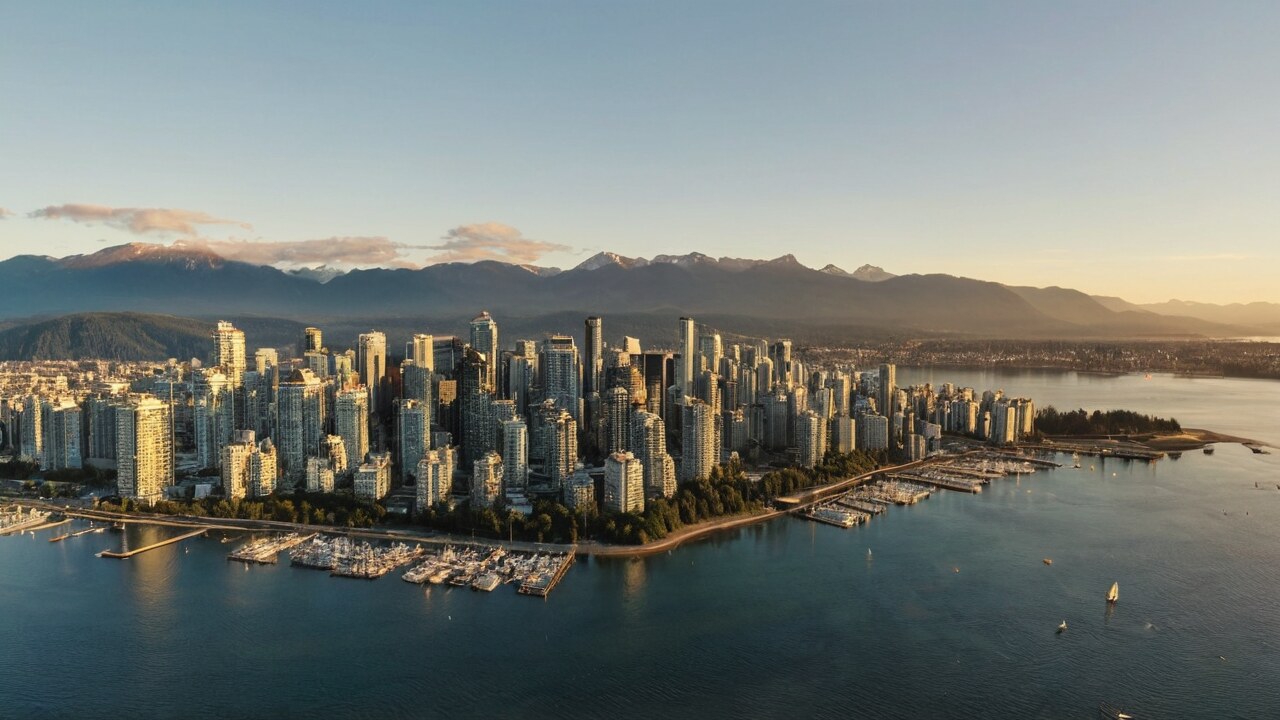
Published 2026-08-16 · Alex
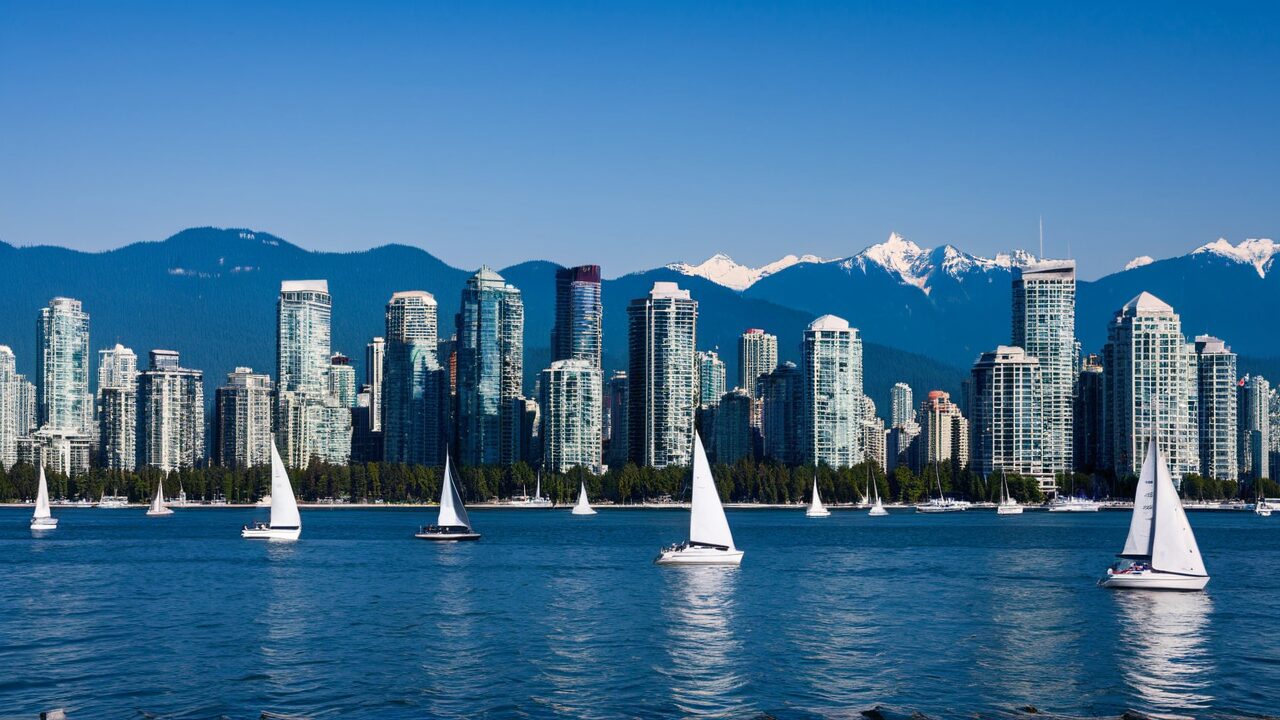
From Cambie Street to the World Stage: Vancouver's Evolution
That image of Downtown Vancouver from Cambie Street in 1994? It’s a fantastic snapshot, a real blast from the past that perfectly encapsulates how much our city has transformed. For those of us who remember those days, it brings a wave of nostalgia – the familiar outlines, yes, but also the stark differences. For newcomers and visitors, it’s a fascinating glimpse into the Vancouver that was, offering context to the lively, modern metropolis you see today.
What’s striking about that 1994 perspective is how much has filled in since. The skyline, once punctuated by a few prominent towers, now is home to a dense tapestry of high-rises. This isn't just about more buildings; it reflects Vancouver's incredible growth, its rise as a global city, and its unwavering commitment to blending urban living with impressive natural beauty. It’s a story of progress, carefully managed development, and an ever-evolving identity.
Vancouver Then and Now: A Visual Journey
The view from Cambie Street, specifically around the Cambie Bridge area, offers a unique vantage point to witness Vancouver's transformation. In 1994, the landscape was noticeably different. The area now known as False Creek North was largely industrial or undeveloped. The recognizable dome of BC Place was certainly there, but the surrounding Yaletown and Olympic Village neighbourhoods were far from their current crowded states.
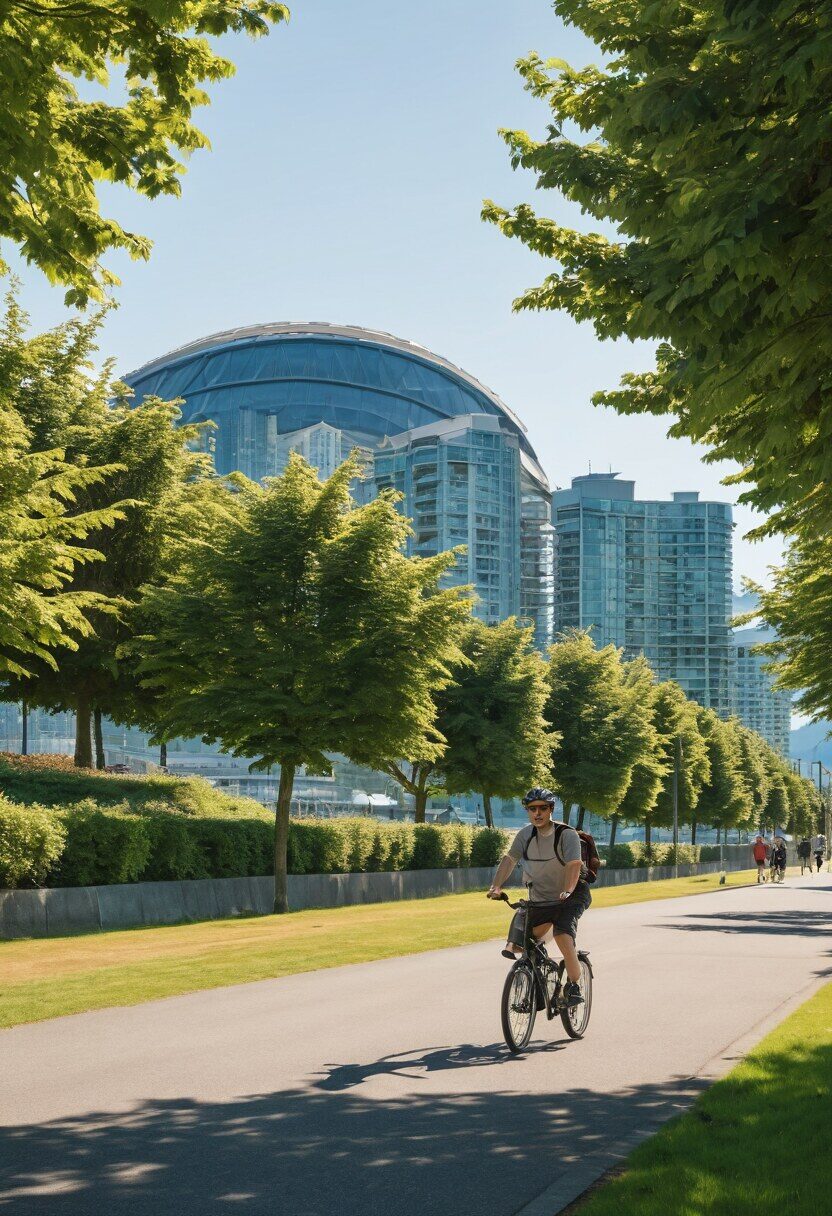
Today, standing at a similar spot, perhaps near the Olympic Village SkyTrain Station (Canada Line), you'd be struck by the sheer density. The residential towers of False Creek North, built on former industrial lands, now dominate the foreground, with Yaletown's historic warehouses repurposed into trendy lofts and restaurants. The False Creek seawall, a beloved pathway for locals and visitors, was still taking shape in parts. Now, it's a continuous, busy artery connecting neighbourhoods and offering striking waterfront views.
The well-known BC Place Stadium, visible in the 1994 photo, has also undergone a significant transformation. Its retractable roof, added in 2011, is a marvel of engineering and allows for year-round events, from major sporting events to concerts. This evolution is particularly relevant as Vancouver prepares to host the FIFA World Cup 2026, with BC Place serving as a key venue.
Experience Vancouver's Evolution: Insider Tips for Visitors
Want to appreciate how Vancouver has changed, and how it continues to evolve? Here are some ways to see the "then and now" for yourself:
- Walk or Cycle the False Creek Seawall: Start from David Lam Park (Yaletown-Roundhouse SkyTrain Station) and head east towards Olympic Village. You'll see the modern residential developments, public art, and the crowded activity along the water. Rent bikes from providers like Spokes Bicycle Rentals (1798 W Georgia St) or Cycle City Tours & Bike Rentals (1344 Burrard St). Expect rental costs from $10-$20 per hour, or $40-$60 for a full day.
- Visit the Vancouver Lookout: For a panoramic view that puts the city's growth into perspective, head to the Vancouver Lookout (555 W Hastings St). From 168 meters up, you can see how the downtown core has expanded, how False Creek has developed, and the striking natural backdrop that remains constant. Check current prices on their website; typically around $20-$30 for adults. Open daily, usually 9 AM - 9 PM.
- Explore Yaletown and Gastown: These neighbourhoods showcase Vancouver's ability to repurpose and revitalize. Yaletown (Yaletown-Roundhouse SkyTrain Station) was once an industrial warehouse district, now chic. Gastown (Waterfront SkyTrain Station) is the city's oldest neighbourhood, beautifully preserved and buzzing with independent shops and restaurants.
- Ride the AquaBus or False Creek Ferry: Get a water-level perspective of the evolving False Creek. These small passenger ferries connect various points around False Creek, including Granville Island, Yaletown, Olympic Village, and Science World. Fares are typically $4-$7 per ride, or daily passes available. Check schedules at theaquabus.com or granvilleislandferries.bc.ca.
Looking Ahead: Vancouver's Future Skyline
The transformation seen since 1994 is far from over. Vancouver continues to grow and adapt. Key areas of future development include the Broadway Corridor, spurred by the new SkyTrain extension, and further densification around transit hubs. The city's commitment to sustainability and green building practices will also shape its future skyline, emphasizing innovative design and environmental responsibility.
The FIFA World Cup 2026 will undoubtedly accelerate certain infrastructure projects and bring a renewed focus on urban planning, especially around BC Place and the broader downtown core. The city is preparing for an influx of visitors, and this global event will be another defining moment in Vancouver's ongoing evolution.
Practical Takeaway: If you're a long-time resident or a first-time visitor, take a moment to look at Vancouver's skyline from different vantage points. The visible layers of development tell a story of growth, innovation, and a city constantly striving to balance urban living with its spectacular natural setting. The next time you're near the Cambie Bridge, pause and imagine that 1994 view – it puts today’s busy Vancouver into incredible perspective.
Story first reported by r/vancouver.
← More Vancouver news & insights · Full Vancouver guide
📬 Vancouver This Weekend
One short email every Friday: the weekend's best events, free things to do, and one local tip. No spam, unsubscribe anytime.