English
 Español
 Français
 Deutsch
 Українська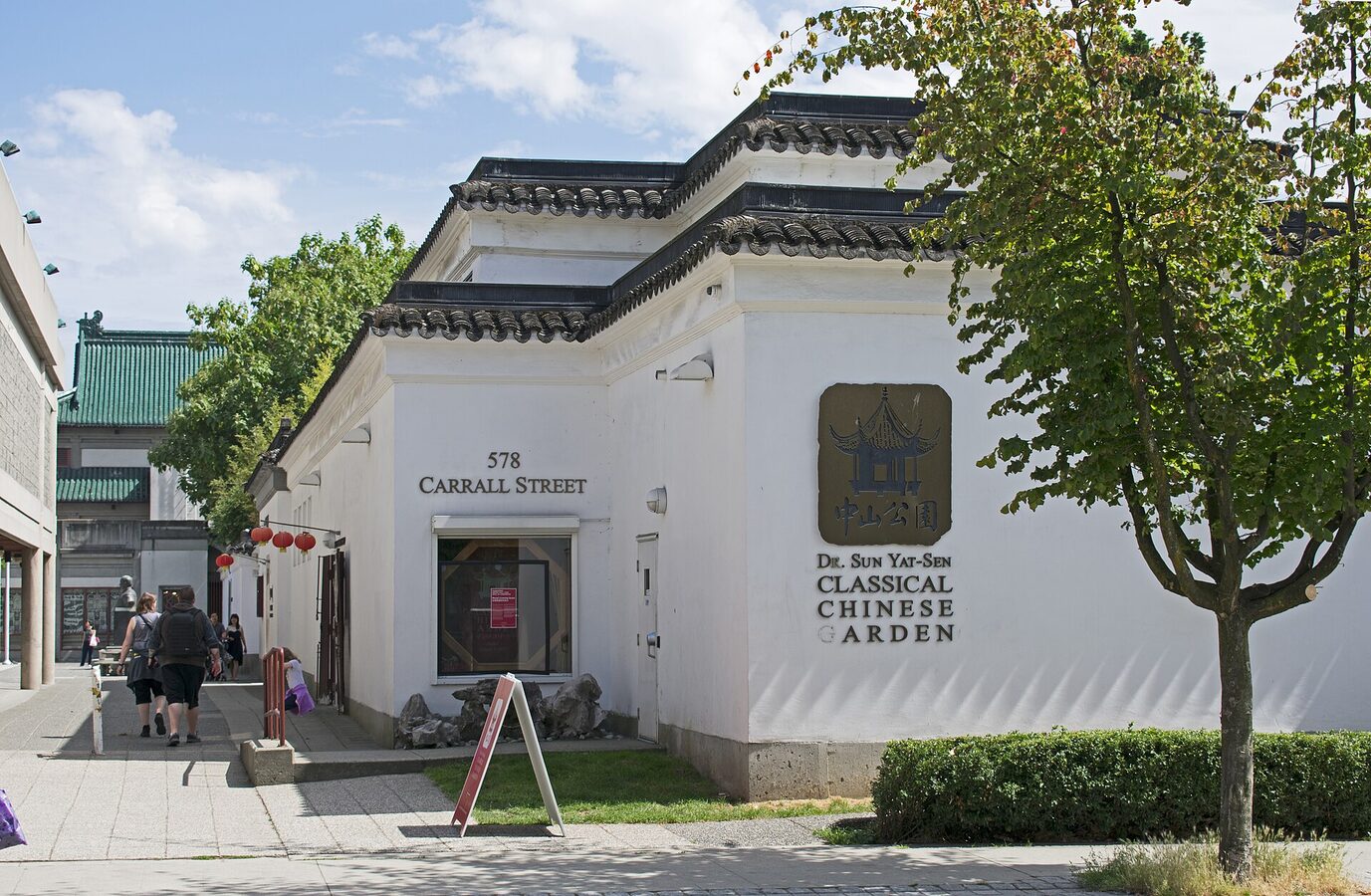
Where to stay in Vancouver
In Vancouver the price depends on the neighbourhood far more than on the star rating. Compare live hotel and rental rates side by side before you lock your dates.
Chinatown visit plan
- Daytime visit for markets and food.
- One specialty meal rather than rushing every bakery.
- Combine with nearby neighbourhoods if energy remains.
- Use transit; parking is limited.
Updated 2026-07-24 · Alex
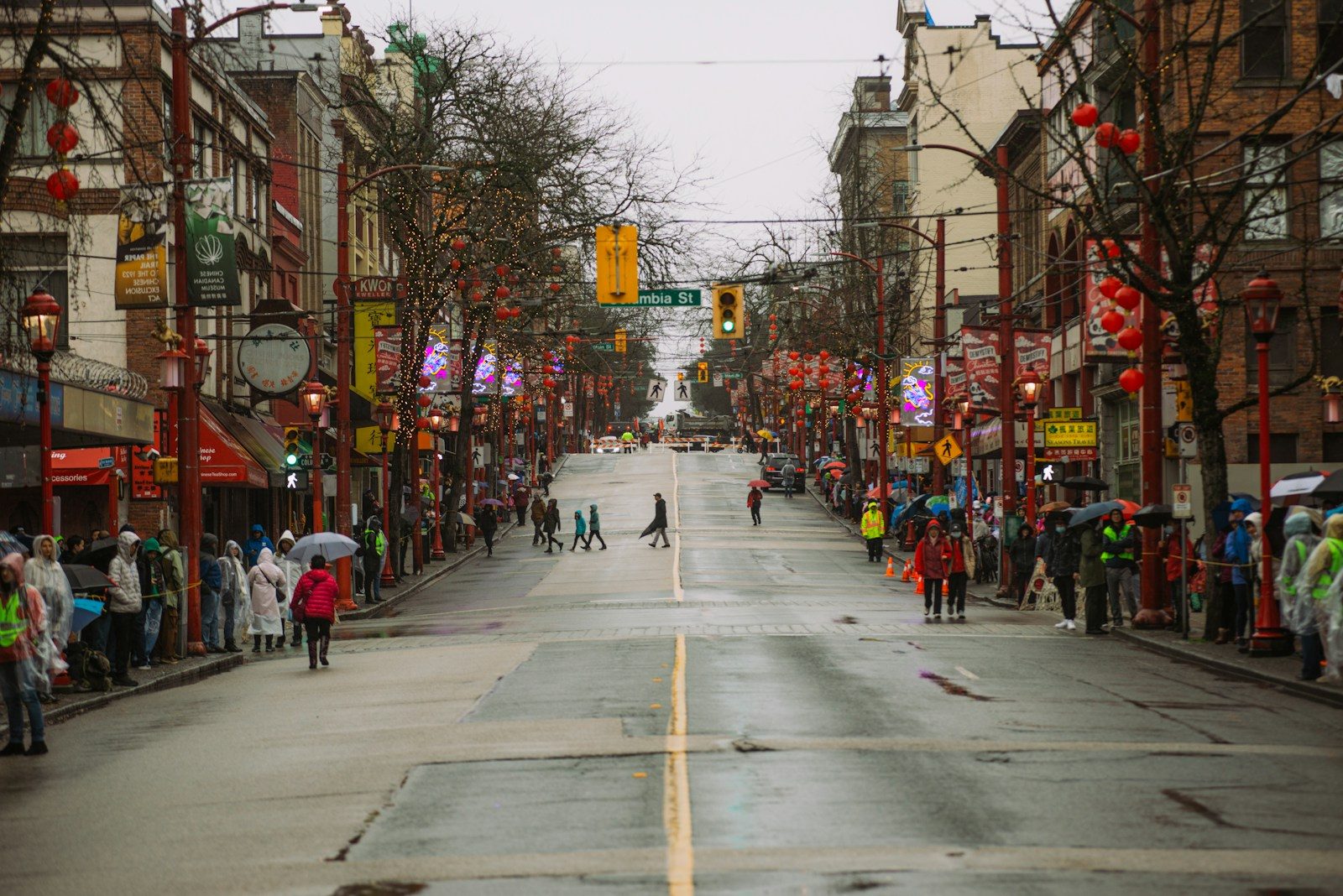
Vancouver’s Chinatown is compact, historic, and best approached hungry. BBQ windows steam onto Pender; the Millennium Gate frames Keefer; and inside the classical garden, the city noise drops to water and stone. Pair it with Gastown in one afternoon — walkable, photogenic, and more interesting than another shopping mall hour.
Chinatown Vancouver Guide: What to See, Eat, and Skip
Vancouver’s Chinatown is the second-largest in North America and one of the oldest neighbourhoods in the city. It is also the one visitors ask the most nervous questions about, and two things are true at the same time. The blocks around Pender and Keefer hold heritage buildings, the Dr. Sun Yat-Sen Classical Chinese Garden and restaurants that have been running for decades. The blocks immediately east, along East Hastings, are the centre of the city’s drug crisis. This guide keeps the two apart street by street, so you know where you are walking, what is open in 2026 and what to skip. what's genuinely worth your time, what culinary delights await, and what you might want to consider skipping.
Vancouver's Chinatown isn't just a collection of shops; it's a living, breathing testament to the resilience and contributions of Chinese immigrants to Canada. It’s Canada’s largest Chinatown, one of the largest historic Chinatowns in North America and a National Historic Site of Canada since 2011. This isn't a theme park; it's a working neighbourhood with deep roots and a forward-looking spirit, albeit one grappling with modern urban challenges. Come with an open mind, an appreciation for history, and an appetite.
Getting There & Practicalities
Chinatown is conveniently located just east of downtown Vancouver. It's easily accessible via TransLink, our excellent public transit system.
- SkyTrain: The Stadium-Chinatown Station (Expo Line and Millennium Line) is your primary stop. From there, it's a mere 5-minute walk into the heart of Chinatown.
- Bus: Several bus routes service the area, including the #3 Main and #8 Fraser. Use the TransLink Trip Planner app for the most accurate routing.
- Walking: From Gastown, it's a pleasant ~10-15 minute walk east. From Yaletown, expect ~20-25 minutes.
- Parking: Street parking can be challenging and expensive (~$5-7/hour CAD). There are several parkades, including the EasyPark lot at 108 W Pender St, which offers reasonable rates (~$15-25 CAD for a few hours).
For our American friends:
- Currency: All prices I'll mention are in Canadian Dollars (CAD). The exchange rate fluctuates, but generally, your USD will go further here. Expect roughly 1 USD = ~1.30-1.35 CAD in 2026. Many places accept credit cards, but having some CAD cash is always a good idea, especially for smaller shops or food stalls.
- Border Crossing: If you're driving up, the Peace Arch crossing is the most common. Consider a NEXUS card if you plan frequent trips; it significantly speeds up border waits.
- Connectivity: Check with your US provider about international roaming or consider a local SIM card (e.g., from Telus, Rogers, Bell) if you'll be here for an extended period. Free Wi-Fi is available in many cafes and public spaces.
Safety Note: I won't sugarcoat this. Like many historic urban centres, Chinatown borders areas that experience higher rates of homelessness, drug addiction, and mental health challenges, particularly the Downtown Eastside (DTES). During the day, particularly on the main thoroughfares like Pender and Keefer Streets, Chinatown is generally busy and safe for visitors. However, it's wise to be aware of your surroundings, avoid walking alone at night, and stick to well-lit, populated streets. Don't flash expensive electronics or large amounts of cash. While incidents directly affecting tourists are rare, exercising common sense is always recommended. This advice applies to many major cities, not just Vancouver. Focus on the core blocks of Chinatown, and you'll be fine.
What to See: Historic Gems & Cultural Icons
Chinatown's charm lies in its unique architecture and the stories etched into its streets. These are the must-sees:
The Millennium Gate & Sam Kee Building
Start your exploration at the famous Millennium Gate on Pender Street, marking the entrance to the historic district. It’s a beautiful, ornate structure that sets the tone. Just a block west, you’ll find the famous Sam Kee Building (8 W Pender St). This isn't just any old building; it holds a Guinness World Record for being the shallowest commercial building in the world, measuring a mere 4 feet 11 inches deep at its narrowest point! Built in 1913, it’s a reminder of clever engineering and fighting for every inch of land. It’s a quick photo op but a unique piece of architectural history.
Dr. Sun Yat-Sen Classical Chinese Garden & Park
This is, without a doubt, the crown jewel of Vancouver's Chinatown and worth the trip. There are two parts:
- Dr. Sun Yat-Sen Classical Chinese Garden (Paid Entry): Located at 578 Carrall St. This is the first authentic classical Chinese garden built outside of China, completed in 1986. It’s a tranquil oasis designed according to Ming Dynasty principles, where every rock, plant, and body of water is placed with intention to create harmony and balance. It's a place for quiet contemplation. Allow at least 1-1.5 hours. Guided tours are often included with admission.
- Dr. Sun Yat-Sen Park (Free Entry): Adjacent to the classical garden, this public park offers a taste of the same aesthetics without the admission fee. It's beautiful in its own right, with traditional architecture and quiet ponds. It’s a great spot to relax and people-watch.
Admission (2026 estimates): ~CAD $18-20 for adults, ~CAD $15-17 for seniors/students. Check their website for current pricing and operating hours, as they can vary seasonally.
Chinese Cultural Centre of Greater Vancouver & Chinatown Storytelling Centre
The Chinese Cultural Centre (50 E Pender St) is a hub for community events and cultural preservation. It is not a tourist stop, but it matters to the neighbourhood. Adjacent to it, the relatively new Chinatown Storytelling Centre (168 E Pender St) is worth going out of your way for. Opened in 2021, this modern museum uses interactive exhibits, oral histories, and artifacts to tell the compelling and often challenging story of Chinese immigrants in Canada. It provides crucial context and understanding that will enrich your entire Chinatown experience. Allow 1-2 hours.
Admission (2026 estimates): ~CAD $15-18 for adults.
Historical Walking Tour (Self-Guided or Paid)
To appreciate the history, consider a walking tour. The Vancouver Heritage Foundation offers excellent self-guided maps online, or you can find reputable paid tours (e.g., through Forbidden Vancouver Walking Tours) that look at the district's past, from its early struggles with discriminatory policies to its busy present. A good tour guide can bring the streets to life in a way you simply can't achieve on your own. Expect ~CAD $35-50 for a guided tour.
What to Eat: A Culinary Journey from Traditional to Trendy
Chinatown's food scene is a fantastic blend of old-school institutions and exciting new-generation establishments. This is where the neighbourhood shines.
Dim Sum in Chinatown Now
Floata Seafood Restaurant, the big dim sum hall on the third floor of Chinatown Plaza (180 Keefer St), closed in October 2025 after the City of Vancouver ended its lease. In the neighbourhood today, Kam Wai Dim Sum (249 E Pender St), a family business since 1991, sells steamed buns, ready-to-eat dim sum and frozen dumplings to take away. For a sit-down dim sum lunch at round tables, Richmond has the widest choice, 20 to 25 minutes from downtown on the Canada Line. Our dim sum guide compares the rooms.
Roast Meats & BBQ: HK BBQ Master (Technically Richmond, but worth the detour)
Okay, this isn't *in* Chinatown, but if you're serious about your Chinese BBQ, a quick SkyTrain ride to Richmond (take the Canada Line to Aberdeen Station) for HK BBQ Master (4651 No 3 Rd, Richmond) is non-negotiable. Anthony Bourdain famously declared it the best BBQ he'd ever had. Their char siu (BBQ pork), roast duck, and crispy pork belly are legendary. It's a no-frills, cash-preferred establishment, often with a line. Don't expect white tablecloths; expect perfection on a plate. If you want a more convenient, still good, but not *HK BBQ Master* level option in Chinatown, try Chinatown BBQ (130 E Pender St).
Price point (HK BBQ Master): A plate of BBQ pork on rice is ~CAD $15-20. A whole duck is ~CAD $40-50.
Modern Chinese & Fusion: Kissa Tanto & Bao Bei
This is where Chinatown's new culinary wave shines. These aren't your traditional Cantonese joints, but they are exceptional and contribute to the district's evolving identity.
- Kissa Tanto (263 E Pender St): This is a splurge, but one of Vancouver's best restaurants. It offers "Japanese-Italian" fare in a striking, retro-chic 1960s Tokyo jazz café setting. Think handmade pasta with unique Japanese ingredients and refined small plates. Reservations are essential, often weeks in advance.
- Bao Bei Chinese Brasserie (163 Keefer St): A pioneer in Vancouver's modern Chinese scene, Bao Bei offers elevated, shareable small plates inspired by Taiwanese, Shanghainese, and Sichuanese flavours. Their "Prawn and Scallop Dumplings" and "Crispy Duck" are legendary. Expect a busy atmosphere and a wait if you don't have a reservation.
Price point (Kissa Tanto): Expect ~CAD $100-150+ per person for a full meal with drinks. Price point (Bao Bei): Expect ~CAD $60-90 per person for a good selection of shared plates and drinks.
Baked Goods & Snacks: New Town Bakery & Gold Stone Bakery
- New Town Bakery & Restaurant (148 E Pender St): A Vancouver institution since 1980, famous for its apple tarts and steamed buns (especially the "BBQ Pork Steamed Bun"). Grab a few to go, or sit down for a quick, cheap, and cheerful breakfast or lunch. Their congee is also excellent.
- Gold Stone Bakery & Restaurant (139 Keefer St): Another beloved spot for classic Hong Kong-style baked goods, milk tea, and diner-style fare. Their pineapple buns (bo lo bao) are fantastic, especially when fresh from the oven.
Price point: Buns and pastries are typically ~CAD $2-5 each. A full breakfast/lunch plate ~CAD $10-18.
What to Skip (or Approach with Caution)
A few things sit right in the middle of the tourist route and are still not worth your time or money:
Tourist Trap Souvenir Shops
While some shops offer genuinely interesting cultural items, many of the souvenir shops particularly around the main Pender/Keefer intersection offer generic, mass-produced trinkets that you can find anywhere. If you're looking for unique gifts, explore the smaller art galleries or specialty tea shops instead.
Blindly Wandering Off Main Streets at Night
As mentioned in the safety section, while the core of Chinatown is generally fine during the day, I strongly advise against aimlessly exploring the quieter, less-lit side streets, especially after dark. This is where the challenges of the DTES can become more apparent. Stick to the well-trafficked areas, and if you're dining at Kissa Tanto or Bao Bei at night, consider taking a taxi or ride-share directly to and from the restaurant if you feel uncomfortable walking.
Expecting a "Pristine" Experience
Chinatown is a historic, urban neighbourhood that reflects both its rich heritage and the realities of modern city life. It's not a perfectly manicured, sanitized tourist zone. You'll see older buildings, some signs of wear, and yes, the social challenges that Vancouver, like many major cities, faces. Go with an open mind, appreciate its authenticity, and focus on the incredible history, culture, and food it offers. If you're looking for a shiny, new-build experience, Yaletown or Olympic Village might be more your speed. But you'd be missing out on a unique piece of Vancouver.
Beyond the Core: Exploring Nearby
If you have more time, Chinatown is a great launching point for other colourful neighbourhoods:
- Gastown: Just west of Chinatown, Gastown is famous for its Victorian architecture, cobblestone streets, the well-known Steam Clock, and trendy boutiques and restaurants. It's an easy walk.
- Strathcona: To the east, Strathcona is Vancouver's oldest residential neighbourhood. It's quiet, easygoing, and has beautiful heritage homes. Great for a leisurely stroll.
- False Creek & Olympic Village: A bit further south (a short bus or SkyTrain ride from Stadium-Chinatown), this area offers striking waterfront views, modern architecture, and a lively atmosphere, particularly around the Olympic Village Square.
Conclusion
Vancouver's Chinatown is a complex, compelling, and utterly essential part of the city's fabric. It's a place where history whispers from every ornate balcony and where the aroma of dim sum mingles with the scent of traditional herbs. It requires a bit of an open mind and an understanding of its urban context, but for those willing to engage, it offers an incredibly rich and rewarding experience. From the quiet beauty of the Dr. Sun Yat-Sen Garden to the busy energy of its eateries, Chinatown is proof of resilience, culture, and delicious food. Give it more than a quick walk-through.
Related guides
More areas: Gastown · Yaletown · Kitsilano · Commercial Drive · Vancouver hub · Richmond Food · Safety