FanVancouver · Local guide
Alice Lake Provincial Park
Alice Lake camping 2026: nightly fees by campground, booking window, facilities and step-by-step arrival. Fees from $51 a night in peak season.
FanVancouver · Local guide
Alice Lake camping 2026: nightly fees by campground, booking window, facilities and step-by-step arrival. Fees from $51 a night in peak season.
Home · BC Camping · Alice Lake Provincial Park
Sea-to-Sky · Squamish · frontcountry
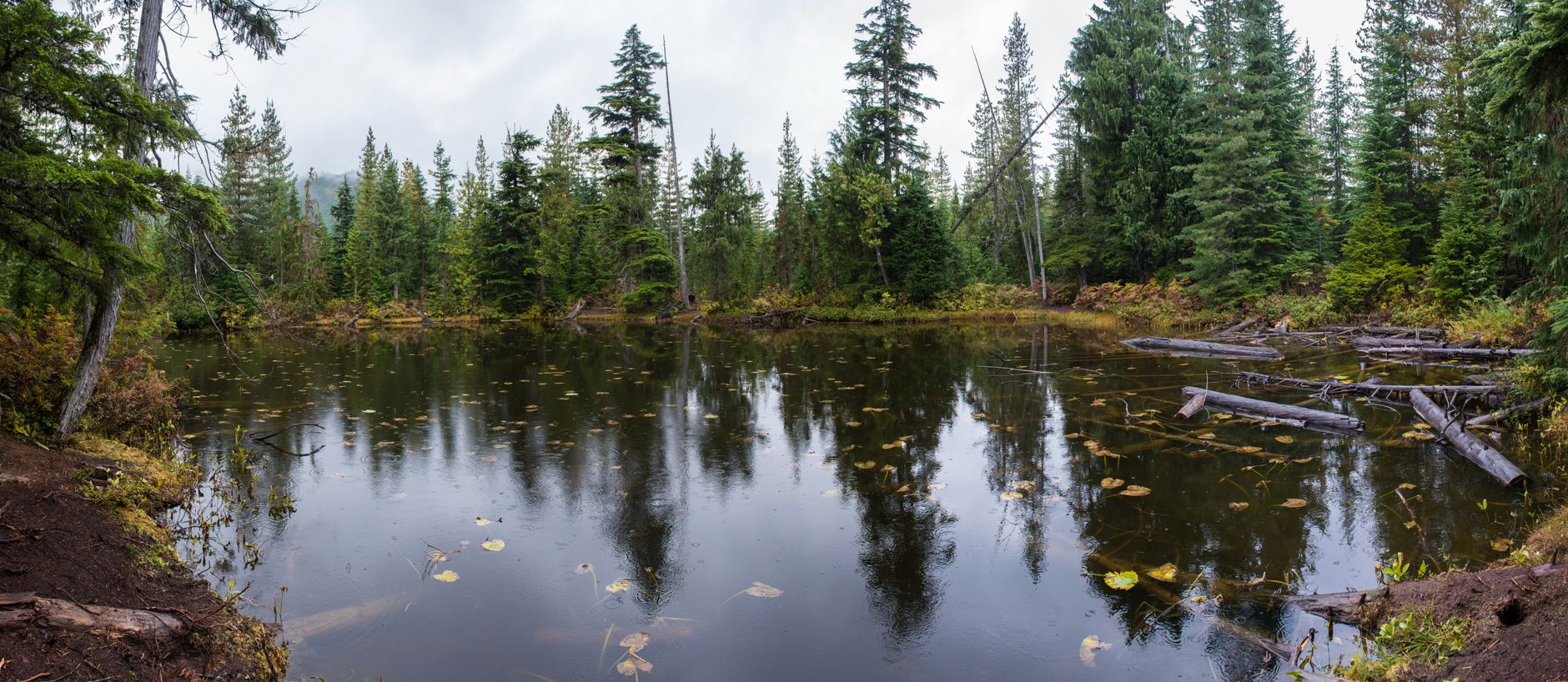
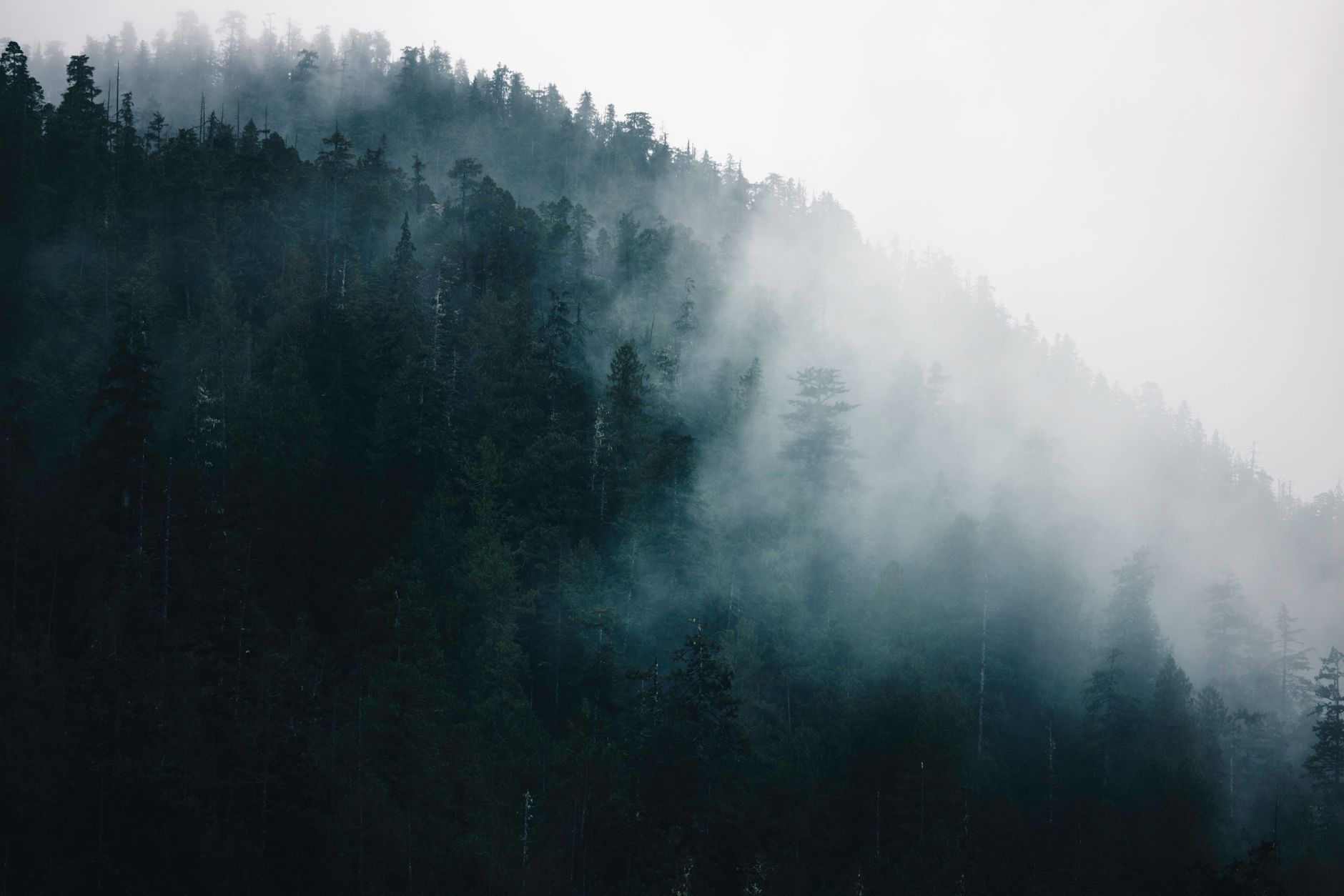
Four pocket lakes under Squamish sky — the Sea-to-Sky’s softest overnight.
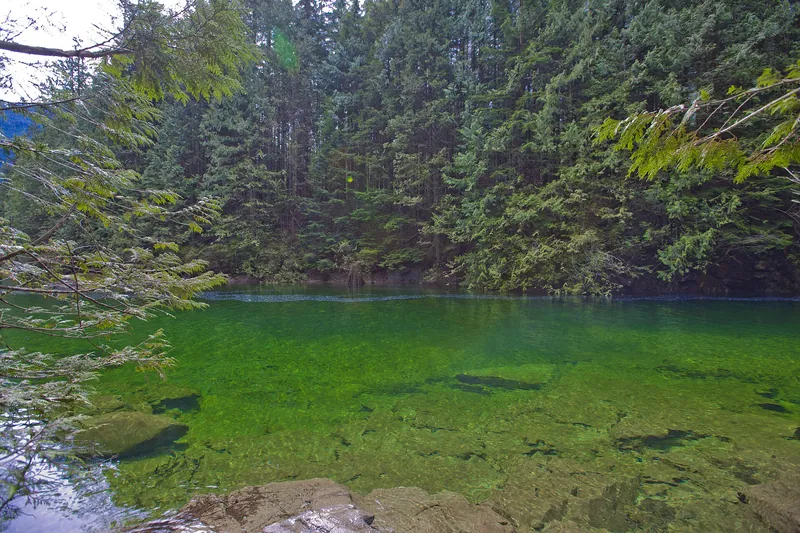
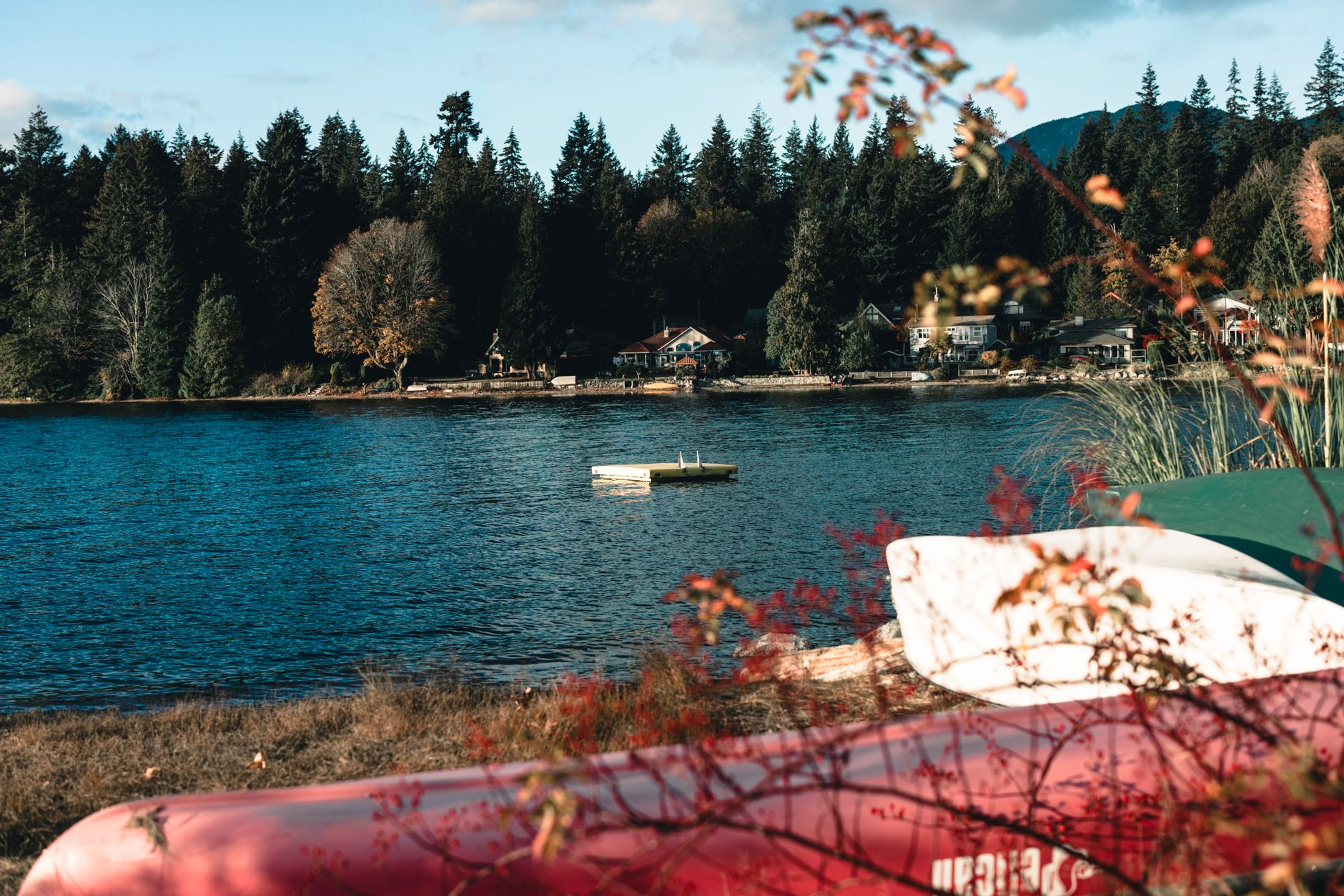
High demand — reserve peak weekends Peak May–SeptemberAlice Lake is where the Sea-to-Sky exhales. Instead of one grand postcard, you get a necklace of small lakes — Alice, Edith, Fawn, Stump — each with its own dock energy and forest hush. Squamish wind moves the canopy; the Chief waits up the highway if you want vertical ambition tomorrow.
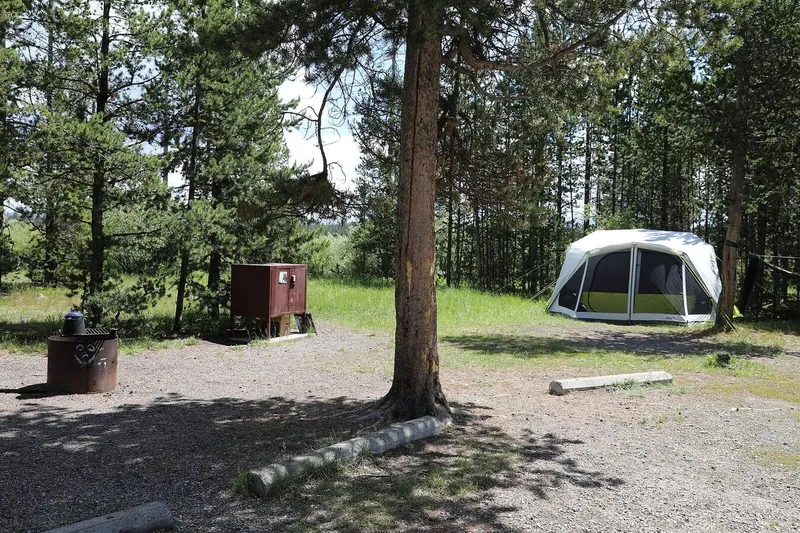
Facilities are proper frontcountry: flush toilets, showers, potable water, sites that have hosted a thousand family comedies. The park teaches a useful BC lesson: beauty and demand arrive together. Mid-week in June can feel almost private. Saturday in August is a festival of coolers.
Use Alice as a base, not a trap. Morning swim, afternoon Shannon Falls or a mellow valley trail, evening back to the dock light. Pack layers — Squamish invents weather on twenty-minute cycles.
| Campground / service | Peak season | Shoulder season | Winter |
|---|---|---|---|
| Main campground | $51 | $35 | — |
| Walk-in / cycle-in campground | $33.50 | $23 | — |
| Group site (base) | $120 | $120 | — |
| Sani-station | $5 per discharge | — | — |
Fees per party per night unless stated otherwise, verified against the BC Parks fee schedule on 2026-08-04. A dash means the campground does not operate in that season or the fee is not published separately. Transaction fees are extra.
Nearest service hub: Squamish
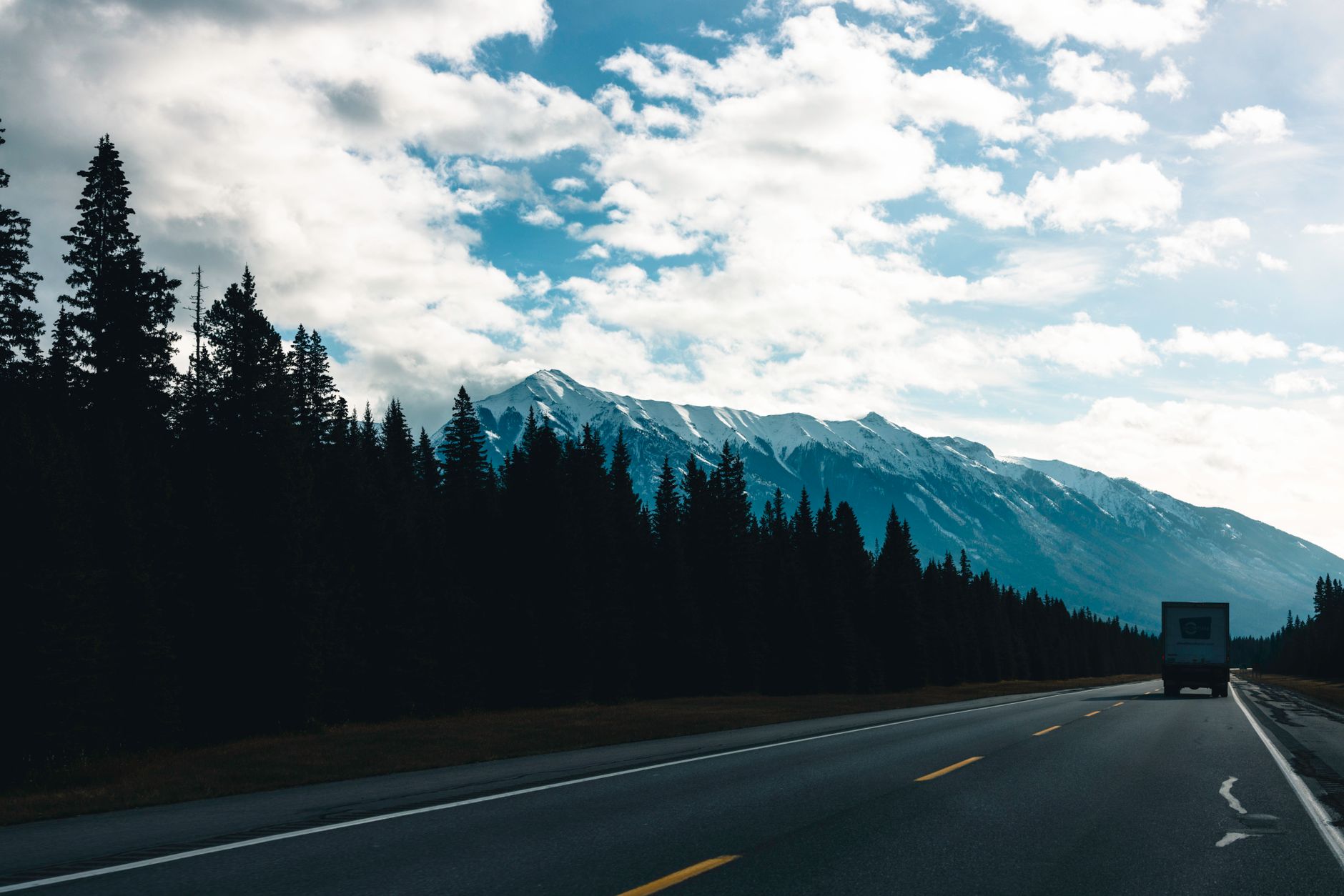
Fuel in Squamish (Cleveland Ave / Highway 99 services) before entering the park. Sea-to-Sky has pumps, but weekend queues are real — top up southbound if you are cutting it fine.
Squamish has paddle, bike, and climbing shops. For SUP/kayak on the small lakes, check seasonal park or town rentals; big gear is easier from Vancouver.
Building a kit from scratch? See the BC camping gear guide — tents, sleeping systems, stoves and bear spray.
Sea-to-Sky microclimates: Squamish can be hot and windy while the Chief is in cloud. Summer thunderstorms possible. Nights cool. Check Squamish forecast + highway cams.
Always re-check the morning you leave: Environment Canada + BC wildfire map + DriveBC.
Store food, garbage, coolers, toiletries and dishwater in a locked hard-sided vehicle or the campground's locker. BC Parks specifically asks you not to hang food at frontcountry campgrounds — that is a backcountry technique, and a badly hung bag simply teaches a bear where the food is. Keep 100 m from bears, wolves, coyotes and cougars, and 30 m from deer, moose, elk and wild sheep. Report dangerous or habituated wildlife to RAPP at 1-877-952-7277.
Open in Google Maps · coords ~49.78, -123.12
Nightly fees range from $51 in peak season at main campground, per the current BC Parks fee schedule. Add a $6 per night per site reservation transaction fee, and from May 15, 2026 a $20 per stay fee for visitors without BC residency proof.
3 months to the day before arrival, with new inventory released at 7:00 am Pacific Time daily. Reservations close 8:00 pm two days before arrival at parks without internet connectivity. Note that a booking made on the first day of your window cannot have its dates or length changed later — only cancelled.
Designated rings when open; bans common in drought. Prohibitions change through the summer and are enforced — a violation ticket is $1,150, and a fire that escapes can cost up to $1,000,000 and/or up to 3 years in jail, plus the government's firefighting and damage costs. Check the current ban status before you light anything.
Yes, in the ordinary British Columbia sense. Store all food, garbage, coolers, toiletries and dishwater in a locked hard-sided vehicle or the provided locker — BC Parks specifically asks you not to hang food at frontcountry campgrounds. Keep 100 m from bears, wolves, coyotes and cougars, and 30 m from deer, moose, elk and wild sheep. Report dangerous wildlife to RAPP at 1-877-952-7277.
Planning guidance only — facilities and access change with season, construction and emergency orders. Fees verified against the official BC Parks schedule on 2026-08-04; confirm on the official park page before you travel. Updated 2026-09-27.
More BC camping