English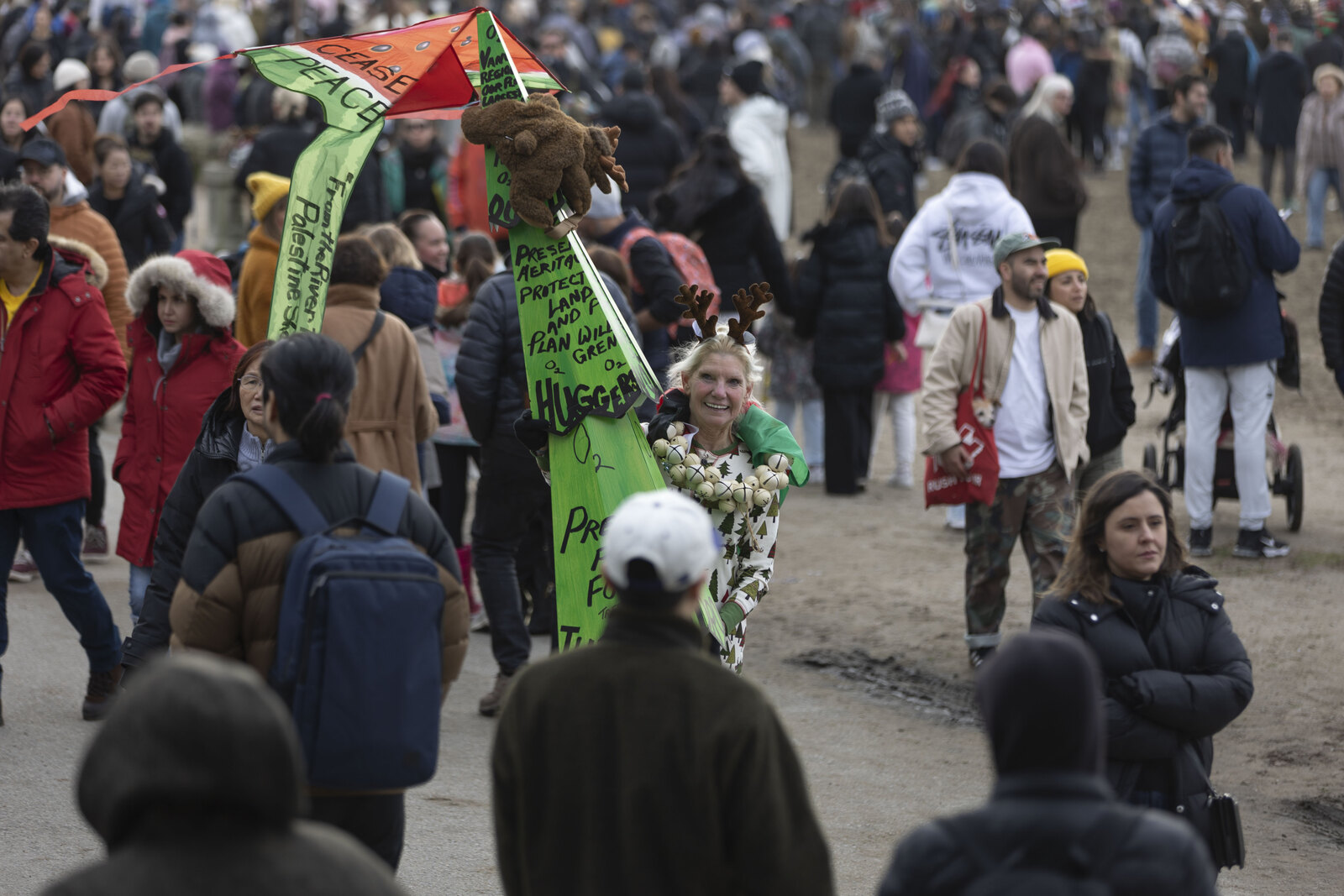
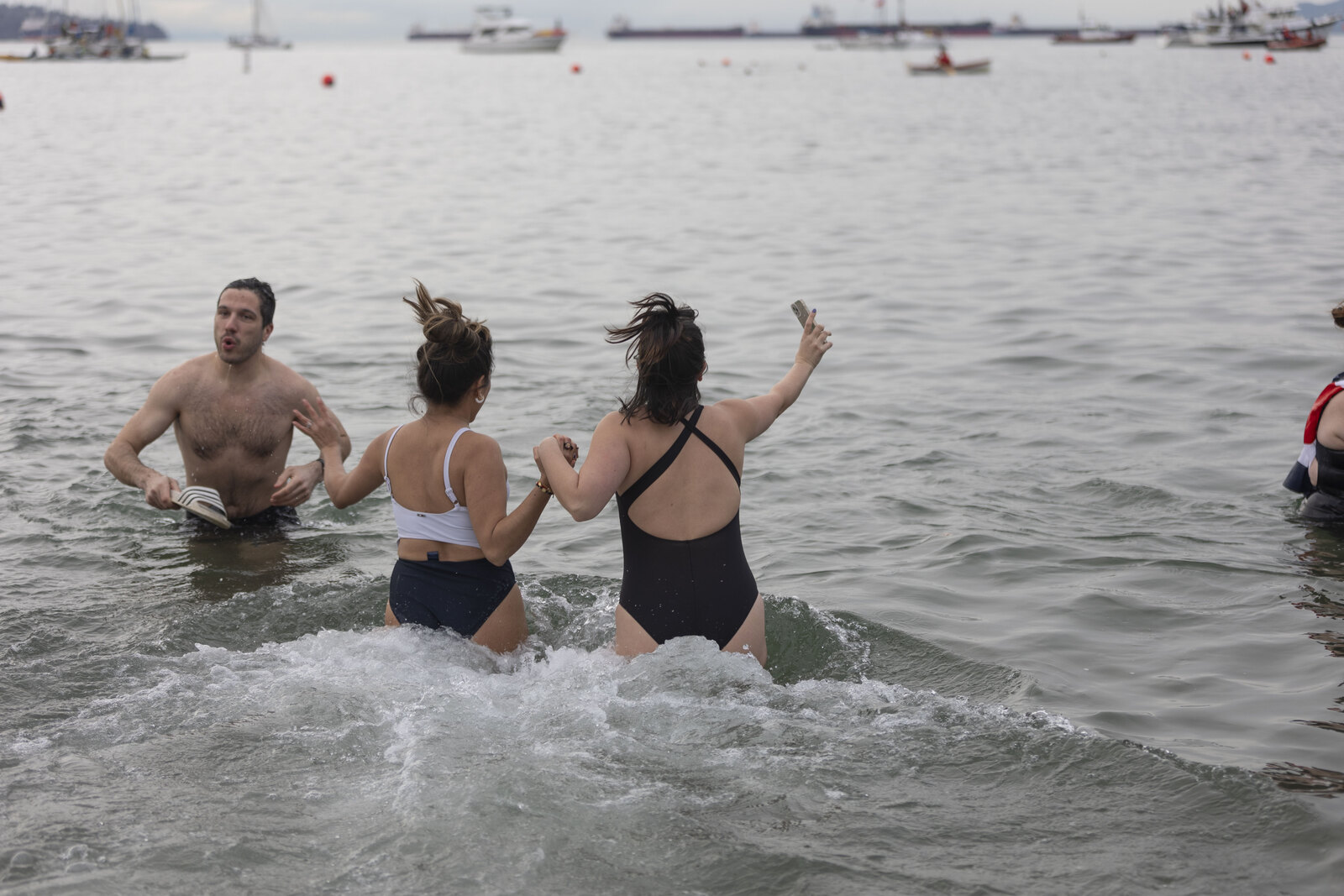
English Bay, 1 January, early afternoon. Several thousand people in swimwear and, for reasons that have never been explained, a substantial number of tutus, capes and full inflatable dinosaur costumes, standing on cold sand waiting for a horn. The water is about six degrees. When the horn goes the whole beach moves at once, and the noise that comes back off the water is not cheering. It is the sound of several thousand people involuntarily inhaling.
This has happened every year since 1920, which makes it one of the oldest continuously running polar bear swims in the world, and it exists because one man had a habit.
Peter Pantages
He arrived from Greece as a young man and went into the restaurant business — the Peter Pan Cafe on Granville Street. He also swam. Not seasonally, not as a stunt: every day of the year, in English Bay, reportedly several times a day. He appears to have regarded this as unremarkable and everyone else's arrangements as the odd ones.
On 1 January 1920 he went into the water and nine other people went in with him. That is the entire founding event: ten swimmers, no permit, no charity partner, no horn. They formed the Polar Bear Swim Club, most likely with an eye on the Coney Island club that had been doing something similar since 1903, and then simply kept turning up.
Pantages kept it going for more than half a century, his family kept it going after him, and at some point the City of Vancouver took over the organising, because an event that draws this many people needs lifeguards, ambulances and road closures. The unbroken part is the point: through the Depression, through the war, through decades in which nothing else in the city stayed the same.
How big it got
From ten swimmers to a registration list in the thousands. The figures quoted for recent years vary a great deal depending on whether the count is registered entrants or everyone who got wet — the modern record reported by the city is above eight thousand official entries, while older accounts of well-attended years quote figures in the low thousands. Take any single number you see with some caution; the direction of travel is not in doubt.
The spectator crowd is several times larger again, which matters if you are planning to go: most people on that beach on 1 January are wearing coats.
What the cold actually does
Worth knowing before you commit, because the danger in cold water is not hypothermia. That takes half an hour or more. What gets people in the first minute is the cold shock response: an involuntary gasp the moment the water hits your chest, followed by two or three minutes of hyperventilation you cannot consciously suppress. If your face goes under during that gasp, you inhale water. That is the mechanism, and it is why the event is run in shallow water with lifeguards standing in it.
The rule taught by cold-water safety organisations is one-ten-one: one minute to get your breathing under control, ten minutes of useful muscle function, one hour before you lose consciousness. At the Polar Bear Swim you are dealing only with the first number. Wade in rather than dive, keep your head up, get your breathing settled before you do anything else, and come out. The people who stay in for five minutes to prove something are not tougher; they are colder.
Anyone with a heart condition, high blood pressure or a hangover of any seriousness should watch instead. That is not a formality. Cold shock spikes heart rate and blood pressure hard.
How to take part
The swim is free and organised by the City of Vancouver at English Bay Beach, on 1 January each year, with the entry itself in the early afternoon rather than at dawn. Registration opens beforehand and is what gets you an official time and a commemorative item; you do not need it to walk into the ocean, but you do need it to be counted.
Practical notes from people who have done it: bring a towel you do not care about and a second one you do; wear something on your feet into the water, because the sand is colder than the sea and the walk back is worse than the swim; leave your phone with a friend on the beach; and change immediately, because the temperature drop keeps going for several minutes after you are out. Costumes are a genuine tradition rather than a photo-op — there is a prize for them.
Parking near English Bay on New Year's Day is a lost cause. Take the bus down Davie or Denman, or walk from downtown, which takes twenty minutes and warms you up.
If you are in town over the holidays, our January guide covers what else is open, and the rest of the city's founding stories are on the legends hub.
Frequently asked questions
When is the Vancouver Polar Bear Swim?
1 January every year at English Bay Beach, with the swim itself in the early afternoon. It is free and organised by the City of Vancouver.
How cold is the water at the Polar Bear Swim?
Around 6 °C in early January. The air temperature is often lower, which is why the walk back up the beach is the part people complain about.
Who started the Vancouver Polar Bear Swim?
Peter Pantages, a Greek immigrant who ran the Peter Pan Cafe on Granville Street and swam in English Bay every day of the year. On 1 January 1920 nine other people joined him, and they formed the Polar Bear Swim Club.
Is it safe?
For a healthy adult who wades in, keeps their head up and comes straight out, yes — there are lifeguards in the water and ambulances on the beach. The real risk is cold shock in the first minute, not hypothermia. Anyone with a heart condition or high blood pressure should watch.
Do you have to register?
No, but registration is what gets you counted as an official entrant. The city opens it in advance; thousands register each year.
Sources
- City of Vancouver — Polar Bear Swim
- Wikipedia — Polar bear plunge (history and comparable clubs)
- City of Vancouver Archives — Polar Bear Swim photographic record
Where accounts conflict, we say so in the text rather than picking the more dramatic version.